Martin Du Toit
Golf coach at ATX Golf Performance in Austin, Texas. 200 published articles.

The Two Hats Every Golfer Needs to Learn to Wear
Better golf requires knowing when to build your swing and when to stop analyzing it. Coach Martin explains the Technique Hat, Play Hat, and Competitive Hat golfers need to switch between.

Golf Lessons in Bee Cave & Lakeway: Where to Train West of Austin
Bee Cave and Lakeway have some of the best golf in Central Texas. Here is how to pair that access with coaching that actually moves your handicap.

How to Take Your Range Game to the Course
Most golfers hit it well on the range and lose it on the course because the two demand different types of focus. Here is how to let the range tell you which shot you have that day, and how to build your strategy around it.
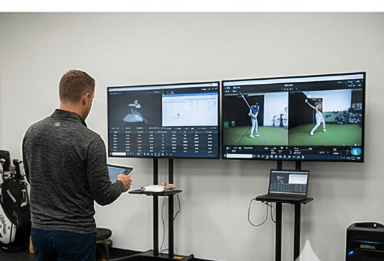
Golf Lessons in the 360 Corridor: Where Austin Westsiders Should Train
The 360 corridor has more good golf access per capita than anywhere in Austin. Here is how to use it — and where to actually take lessons.
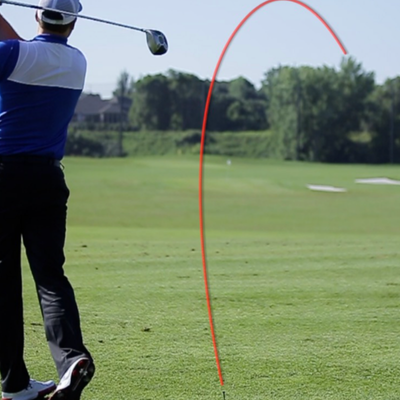
Why Am I Slicing My Driver? 7 Causes Ranked
Every slice comes from a clubface open to the path at impact. But the real causes — the ones you can actually fix — happen long before impact.
Golf Lessons in Westlake, Austin: What Locals Should Know
Westlake golfers have some of the best access in Austin. Here is how to use it — and where the best coaching actually lives.

30-Minute vs 60-Minute Golf Lessons: Which Should You Book?
Half-hour lessons feel efficient. They are usually not. Here is when a 30 is the right call, and when it is a false economy.
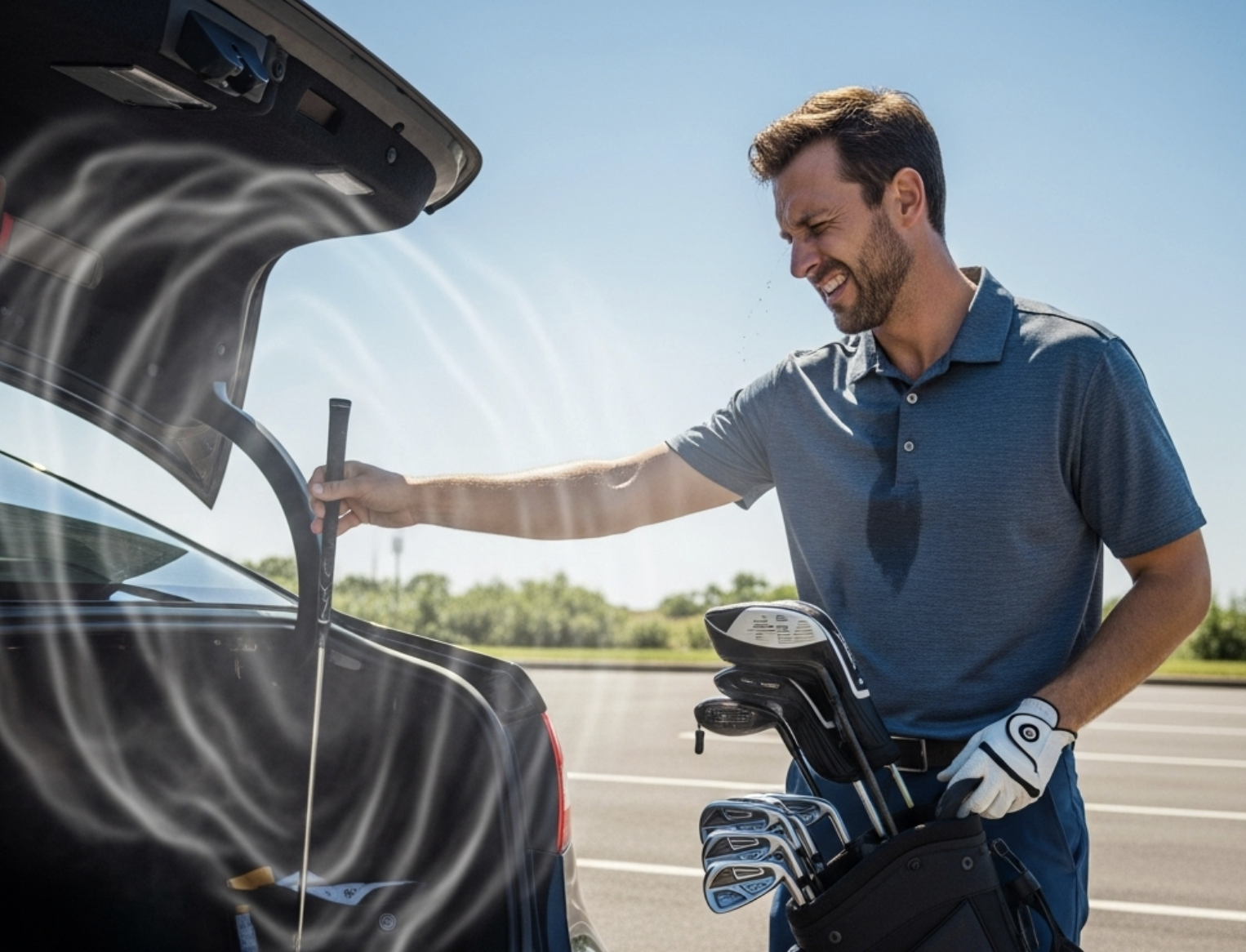
Best Time of Year to Take Golf Lessons in Austin
There is no bad time to start, but there is a smartest time. Here is how Austin's seasons should shape your coaching plan.
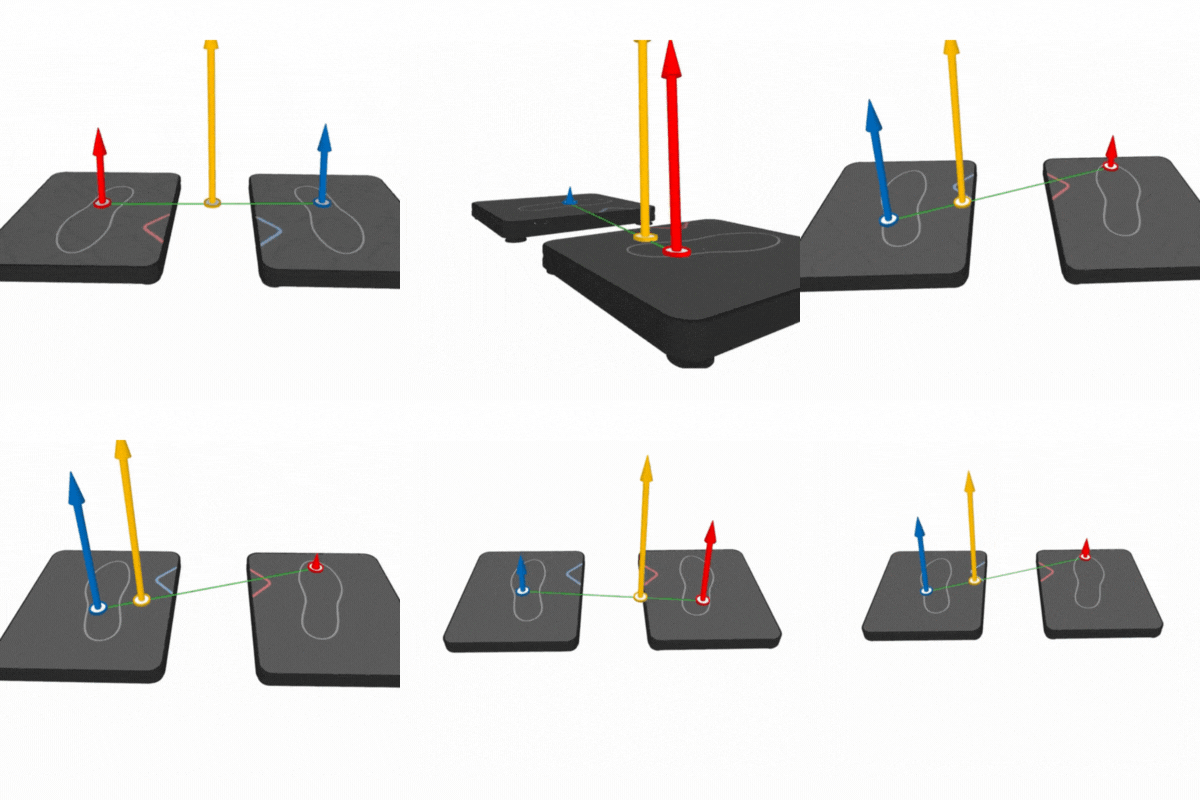
Force Plates in Golf: What the Data Means for Amateurs
Force plates show what the ground is doing during your swing. For most amateurs, that data unlocks 10 to 20 yards that no swing change ever did.

Golf in Austin Heat: How to Practice June Through September
Austin summers do not stop golf, but they should change how you practice. Here is how to keep improving when the heat index is 108.
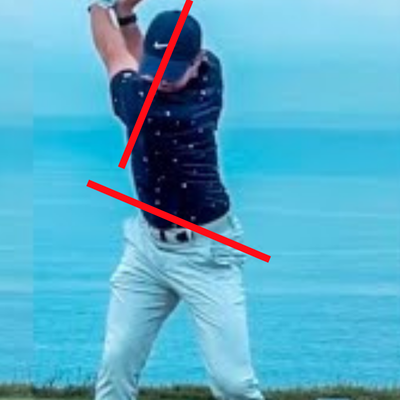
3D Motion Capture for Golf: What it Actually Shows You
3D motion capture is the difference between guessing what your body did and knowing. Here is what it measures and why it changes coaching outcomes.
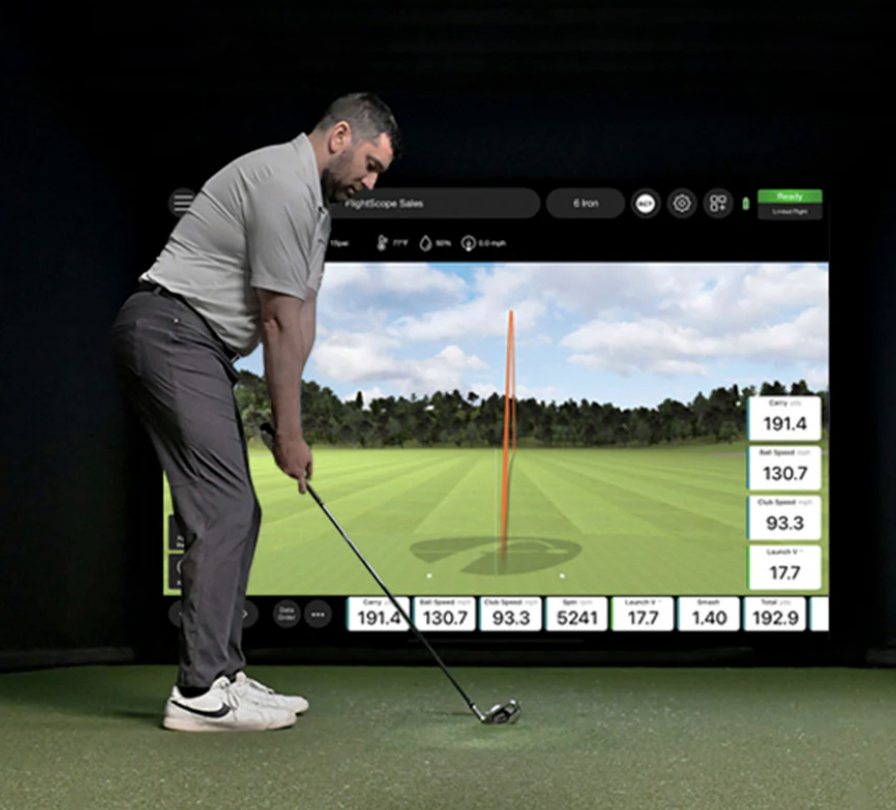
Austin Indoor Golf & Simulators: Coach's Guide to the Best Bays
Austin has more indoor golf options than ever. Most are great for play. A few are great for actual improvement. Here is the difference.
What Happens in a Golf Game Evaluation? (Full Breakdown)
A Game Evaluation is not a lesson. It is the diagnostic that tells you what the lessons should be about. Here is exactly what happens in one.
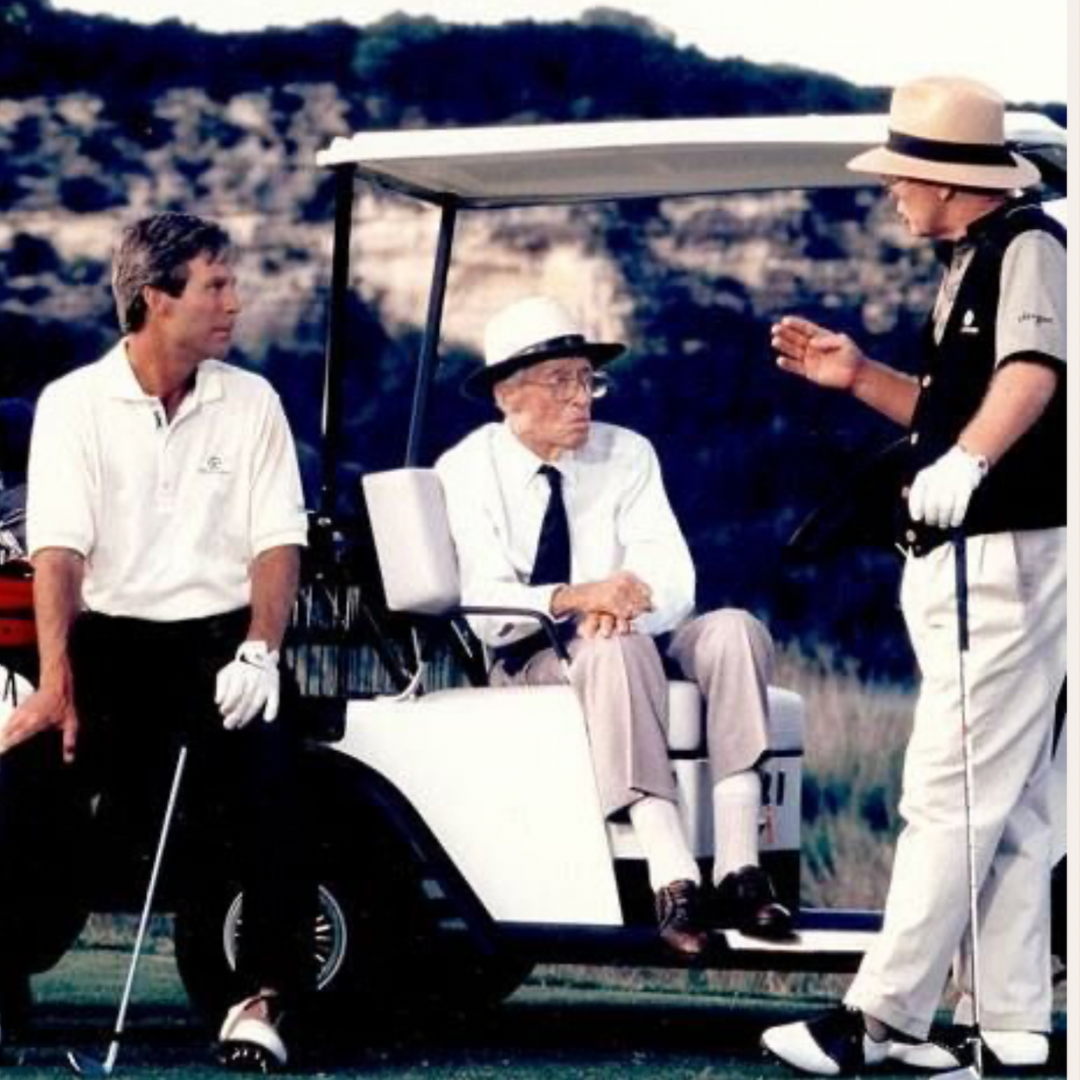
Best Par-3 Courses Near Austin (Coach's Guide)
Par-3 courses are the most underrated improvement tool in Austin. More greens per round, more wedges, more putts, and more learning per hour than any range can offer.

How to Choose a Golf Coach: 10 Questions to Ask Before You Book
Choosing the wrong coach can set you back two years. Choosing the right one can drop your handicap by 10. Here are the 10 questions that separate the two.

College Golf in Texas: Programs, Recruiting Calendar & How to Get Seen
Texas has more competitive college golf programs than any state in the country. Getting recruited is less about talent than parents realize, and more about timing and data than juniors realize.

Play Golf Like a Defender: Course Management Lessons from the World Cup
With the 2026 FIFA World Cup coming to North America, here is why the best golfers approach the course like a soccer center-back, not a striker. Lower scores are built on defense.
Indoor vs Outdoor Golf Lessons: Which Improves Your Game Faster?
The indoor vs outdoor debate misses the real question. The format that improves you fastest is the one that gives the cleanest feedback for your specific problem.

Where to Practice Short Game in Austin (Coach's Picks)
Short game is where Austin amateurs leak the most strokes, and where the right practice facility makes the biggest difference. Here is where to actually go.
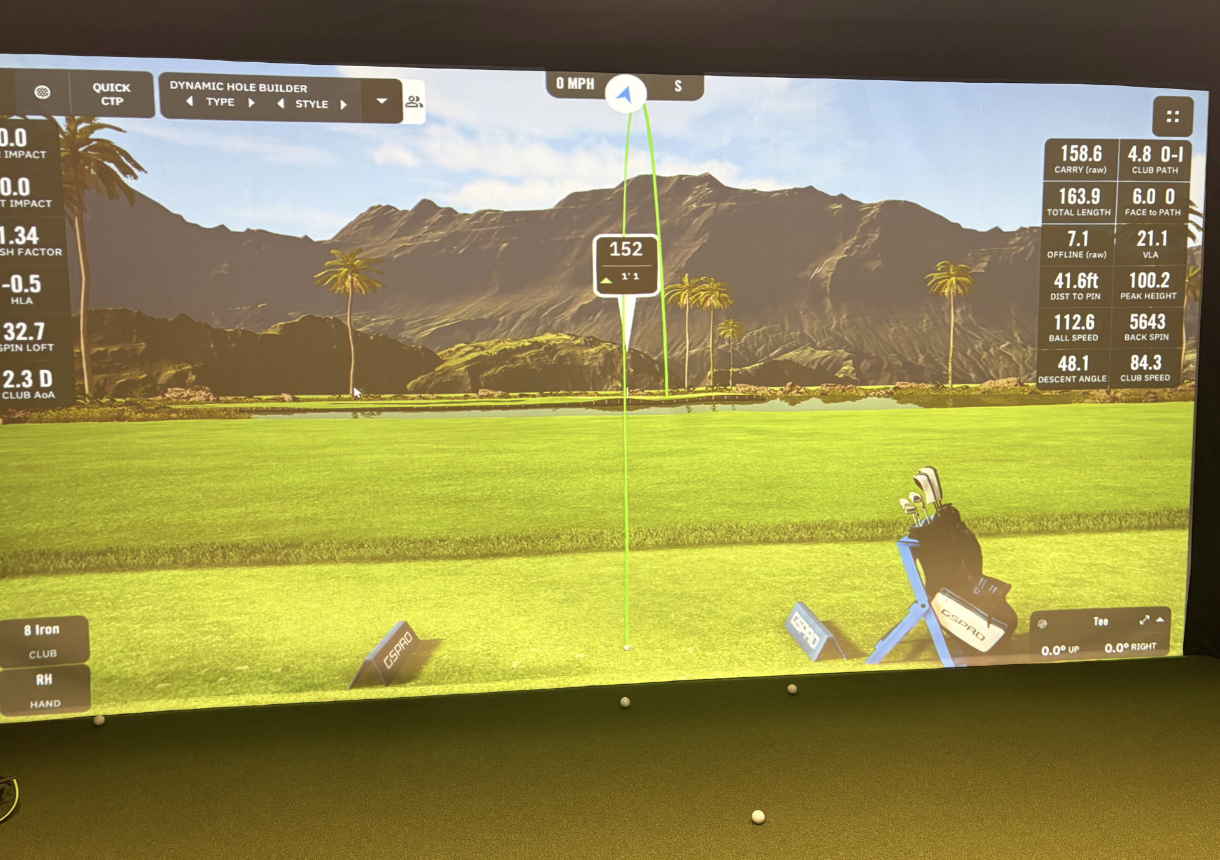
What is a Launch Monitor and Do You Need One for Golf?
Launch monitors are everywhere now. Most golfers use them like a fancy yardage book. Here is what they actually measure, why it matters, and when you genuinely need one.
Golf Pre-Shot Routine: A 6-Step Framework to Commit and Score Lower
The best players are not perfect. They are consistent in how they prepare, commit, and learn. Here is the simple 6-step pre-shot routine Coach Martin teaches at ATX Golf Performance.

Junior Golf in Austin: Programs, Camps & Private Coaching (2026 Guide)
Austin has more junior golf options than most parents realize. Here is how to pick the right path based on your kid's age, commitment level, and where they want to take the game.
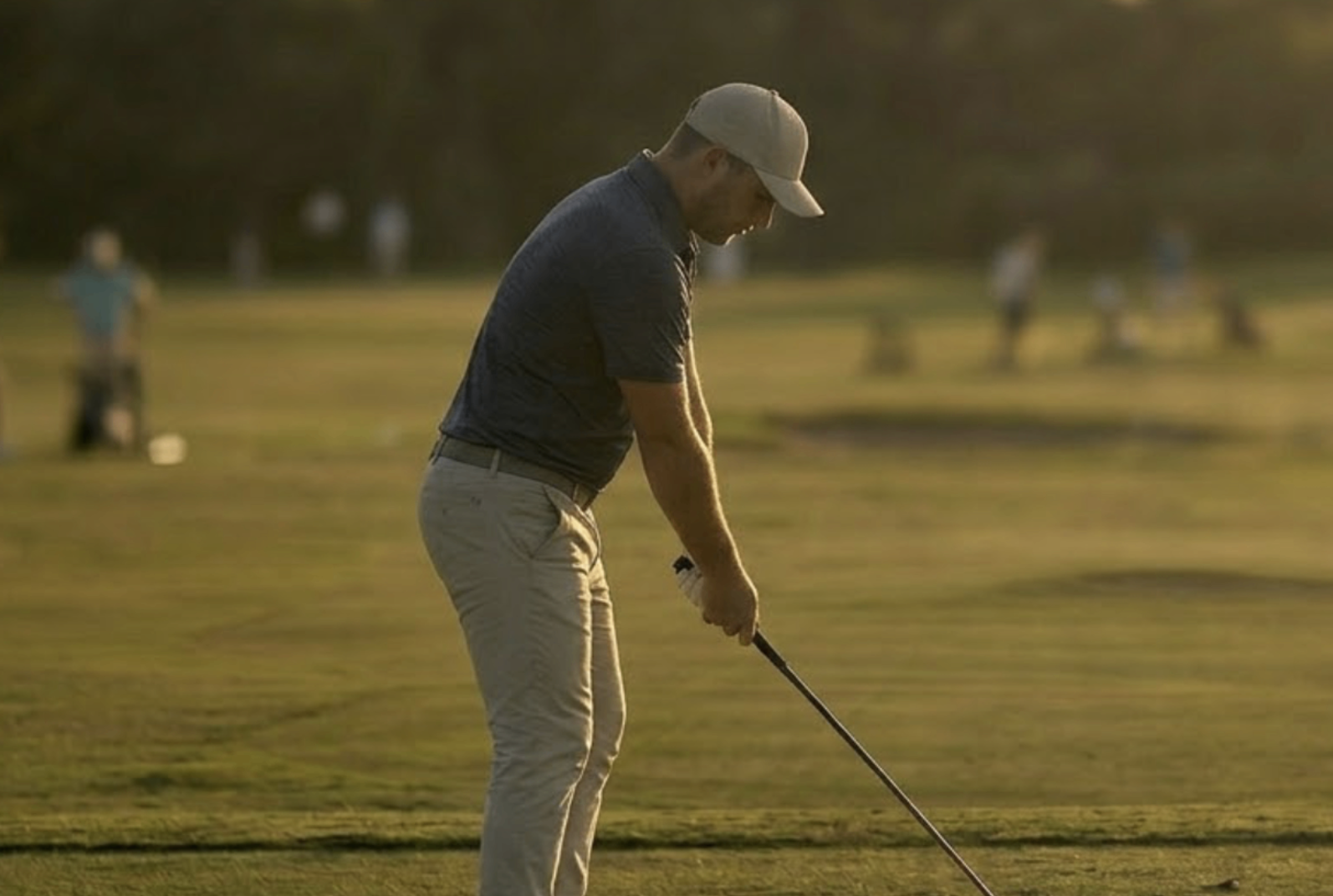
How Many Golf Lessons Does It Take to Break 90?
The honest answer is not a single number. It is a function of where you start, how often you play, and whether your lessons fix the actual shots that wreck your scorecard.

Best Driving Ranges in Austin for Serious Practice (Coach's Guide)
Not every driving range in Austin is built for actual improvement. Here is how a local coach ranks the ranges that give you usable feedback, and which ones to skip when you have real work to do.

Best Public Golf Courses in Austin, TX (A Local Coach's Ranked List)
Austin has more good public golf than most cities its size. Here is how a local coach ranks the public courses you should actually be playing, and what each one teaches you about your game.
How Much Do Golf Lessons Cost in Austin, TX? (Honest 2026 Guide)
Golf lesson pricing in Austin is all over the place. Here is the honest range for 2026, what is and is not included at each price point, and how to pick the right option without overspending.
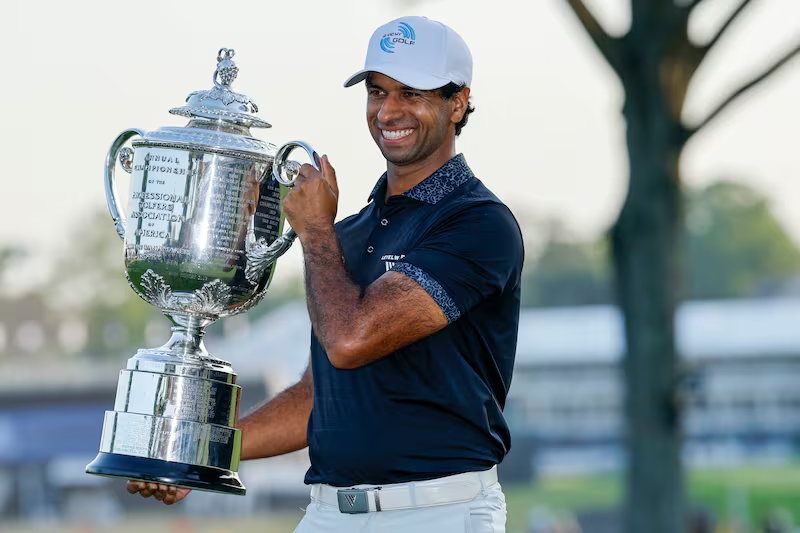
Aaron Rai, Iron Covers, and the Lesson Every Golfer Can Use
Aaron Rai's iron covers are not about image. They are about gratitude, and the mindset behind them is a lesson every golfer can take to the course.
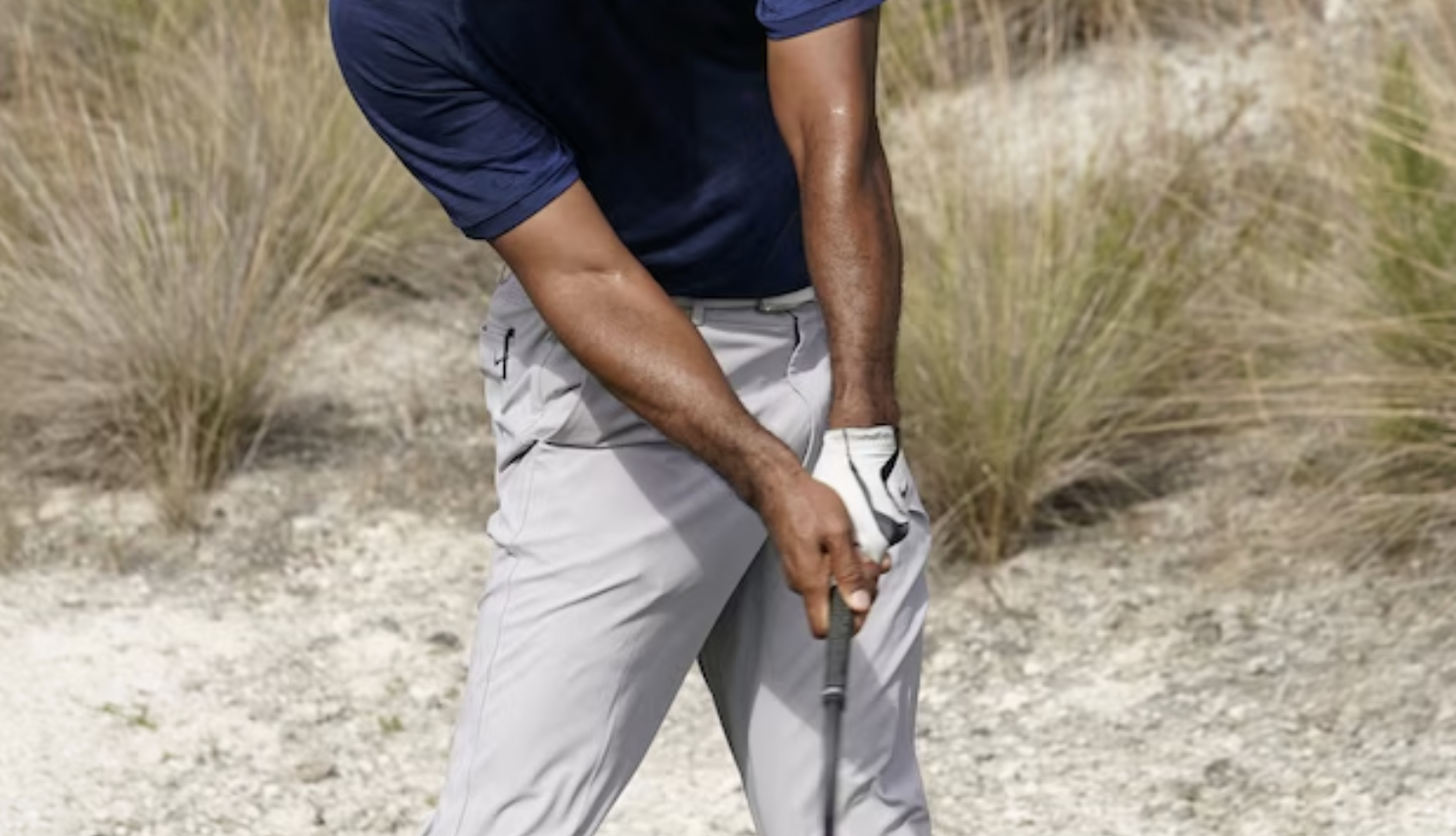
Wrist Action at Impact: What Your Wrists Should Really Be Doing in the Golf Swing
Your wrists do not save the swing at impact. They organize the face, set the loft, and decide whether your speed actually transfers to the ball.

Driver Speed and Distance: 5 Hidden Keys Most Golfers Never Train
Driver speed is not just about swinging harder. It is built on five trainable layers that most golfers never measure or work on.
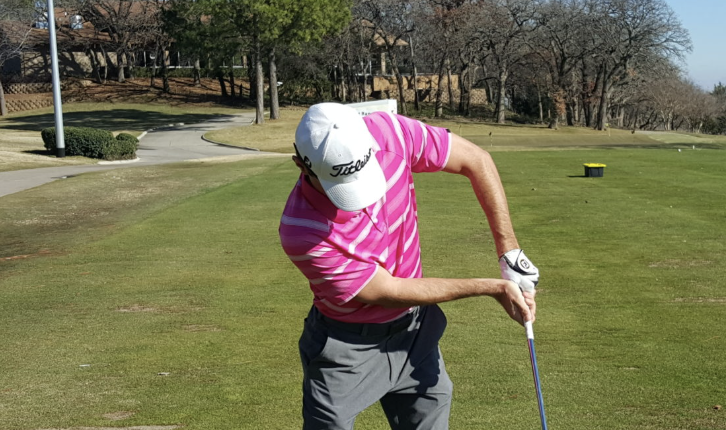
Chicken Wing in Golf: Causes, Fixes, and a Smarter Path to Impact
The chicken wing is rarely about the elbow. It is about how the body, arms, and forearm rotation deliver the club through impact.
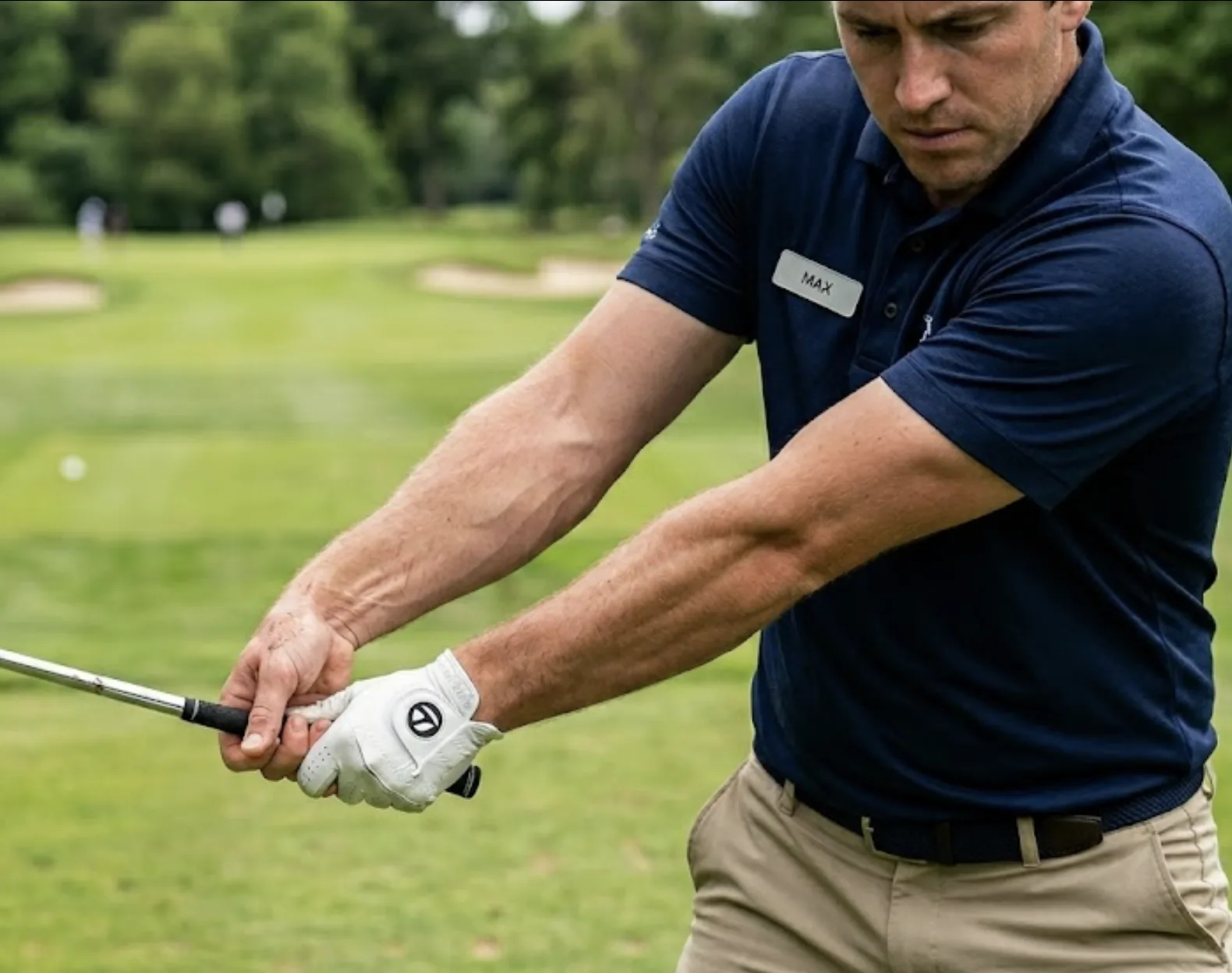
Lead Wrist and Forearm: The Real Cause of Flipping, Casting, and Chicken Wing
Flipping, casting, and the chicken wing usually share one root cause: how the lead wrist and forearm are organized through transition and impact.
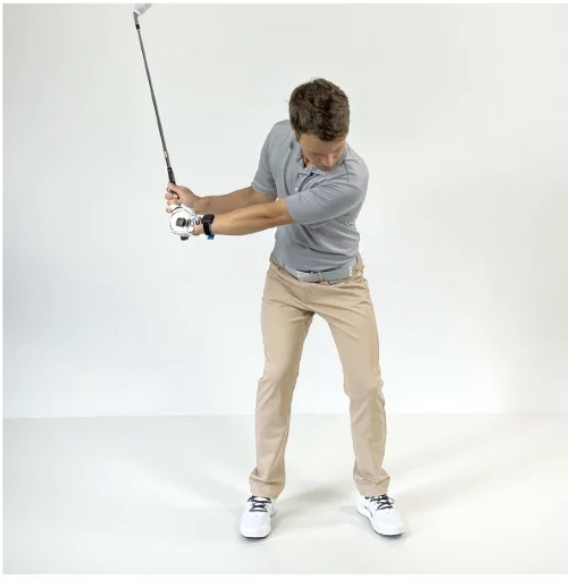
Lead Leg Force at P5: Why It Preserves Spine Angle and Improves Strike
Spine angle through impact is not held with effort. It is a byproduct of how the lead leg loads and pushes the ground at P5.

Golf Grip System: How Elite Players Use Both Hands to Control the Clubface
The grip is more than a static fundamental. It is a dynamic system where the lead hand controls clubface stability and the trail hand applies force without disrupting it.
Why Austin, TX Is a Great Place to Develop a College-Ready Golf Game
Austin offers year-round golf access and conditions that help juniors develop adaptability. Heat, wind, and firm turf can be frustrating, but they also teach shot control, distance management, and discipline.

When Should Austin Golfers Start the College Golf Recruiting Process?
Start early enough to build options, but not so early that it creates unnecessary pressure. The right answer depends on development stage, but most families benefit from a simple roadmap.

A Day in the Life of a College Golfer (What Austin Families Should Expect)
College golf looks fun on Instagram, but it is a serious schedule. Athletes balance workouts, practice, qualifiers, classes, studying, and travel.
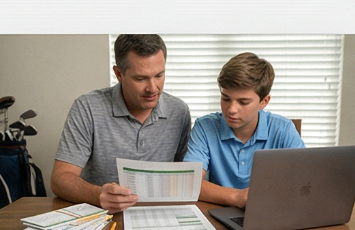
Cost to Play College Golf: Scholarships, Travel, and Realistic Budgeting
Families are often surprised by two things: junior golf can be expensive, and many golf scholarships are partial. The best financial outcomes usually come from planning early.
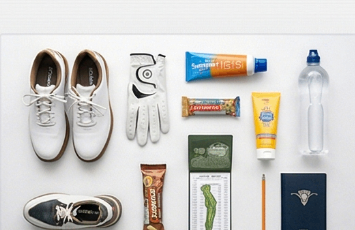
Tournament Prep Checklist for Parents (Austin Heat, Travel, Warm-Up)
Parents cannot hit shots for their golfers, but they can make tournament days smoother. Great preparation reduces stress and improves decision-making under pressure.

Golf Fitness for Juniors (Austin, TX): Mobility + Speed Without Injury
The goal of golf fitness is not "getting big." It is creating a body that can swing faster, repeat mechanics, and stay healthy through long tournament seasons.
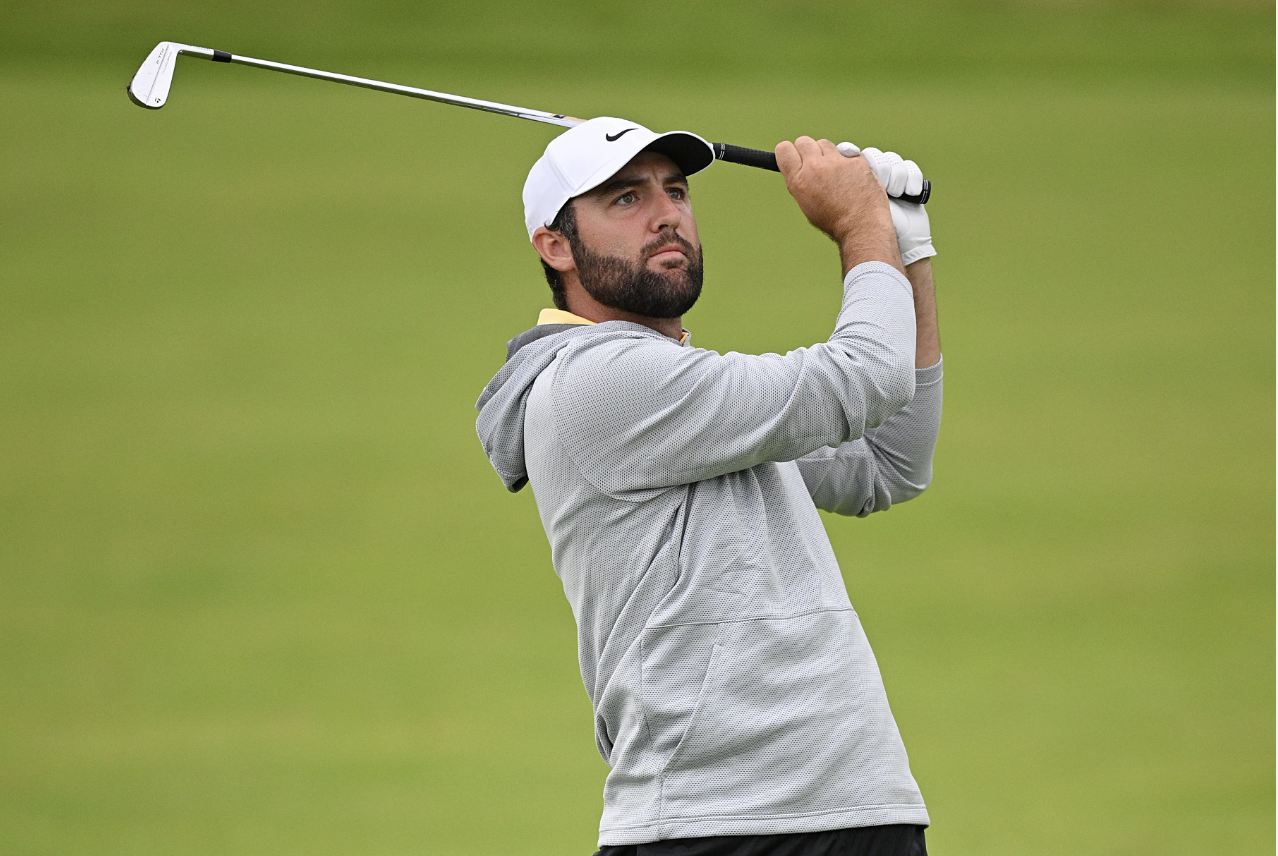
Scottie Scheffler's Superpower: Why Feel Beats Thinking in the Golf Swing
Scottie Scheffler's edge isn't a swing position. It's how he organizes attention. Here's the motor learning science behind feel and how to train it in your own game.
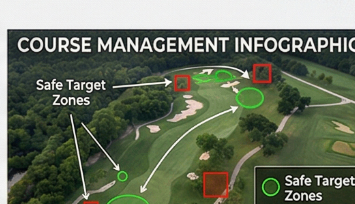
Course Management for Junior Golfers: Fewer Doubles, More Consistency
College coaches notice consistency. Your golfer does not need a perfect game. They need fewer penalty strokes and fewer blow-up holes.

Pressure Putting Drills That Translate to Tournament Scores
If your golfer putts great in practice but struggles in tournaments, the practice environment is the issue. Pressure is a skill, and it can be trained.

Wedge Distance Control Drills (Drop Strokes Fast)
If your golfer is already decent off the tee but cannot drop scores, wedges are usually the fastest path to improvement. Better wedge control means closer birdie putts and easier par saves.
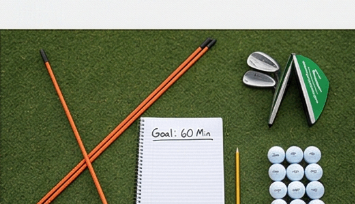
Practice Like a College Golfer: A 60-Minute Routine for Austin Juniors
Most juniors practice by hitting balls until they are tired. College golfers practice by training scoring skills: wedges, putting, pressure, and decision-making.
Austin Parents' Guide to Junior Golf Tournaments That Help Recruiting
Parents often ask which tournaments "count." The truth: coaches care most about consistent scoring on rated courses against competitive fields, not one random hot week.

College Golf Recruiting Video: Shot List + Mistakes to Avoid
A recruiting video is a verification tool, not a highlight reel. Coaches want clean angles and repeatable swings so they can evaluate quickly.

College Golf Recruiting Email Template (Plus Parent Do's and Don'ts)
One of the biggest recruiting mistakes is overthinking the first email. Coaches want something simple: who you are, what level you are at, what your grades look like, and where they can watch you play.

What College Golf Coaches Look For (Beyond Scoring Average)
Scoring average matters, but coaches recruit more than a number. They recruit golfers they believe will improve, handle travel and pressure, contribute to team culture, and keep getting better.

College Golf Recruiting Timeline (Austin, TX): A Parent's Guide
Recruiting for college golf is a multi-year process. For Austin parents, the biggest advantage you can give your golfer is a plan that reduces stress and builds options over time.
Driver vs Iron Play: What the Data Says
The biggest difference between driver and iron swings is the job each swing is trying to do. Learn what the data says about setup and motion.
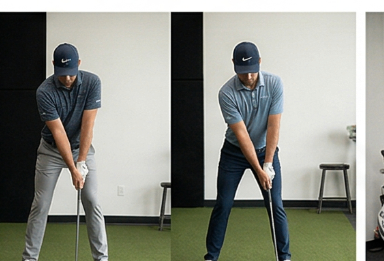
Driver vs Irons: How Setup and Motion Must Change
Driver and iron swings share core principles, but they require different setup positions, movement intentions, and impact patterns.
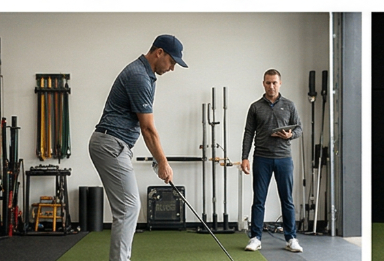
Timing the Transition in Golf: Left Leg and Hip Crease
The move from the top into the downswing sets up everything that happens at impact. Learn how the left leg and hip crease should work.
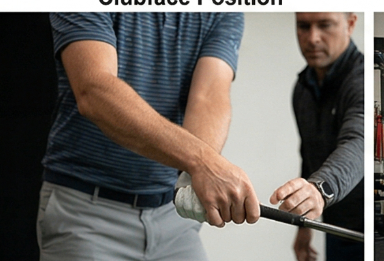
Hands in the Golf Swing for Better Face Control
The hands are one of the biggest influences on clubface orientation from setup to impact. Learn how hand function affects face control.
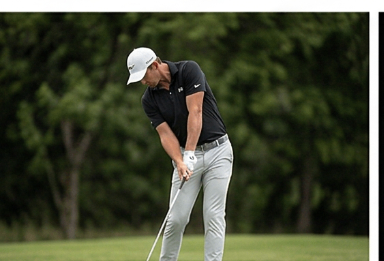
Feel in the Golf Swing: Why It Matters
Feel in the golf swing is your ability to sense movement, club position, and tempo without needing to consciously control every detail.
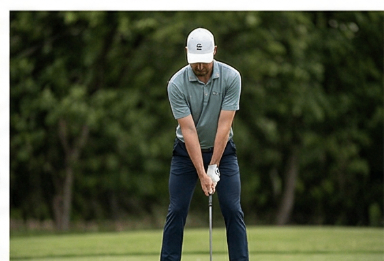
Why Thinking Less Can Help You Swing Better
Too much conscious swing thinking during performance often hurts timing, fluidity, and consistency. Learn when to work on mechanics and when to let go.
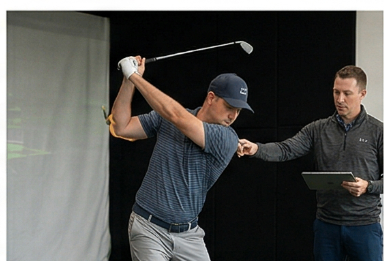
The Trail Elbow Jolt at the Top of the Backswing
The trail elbow jolt happens when the trail elbow drifts too far behind the body at the top, creating disconnection and sequencing issues.
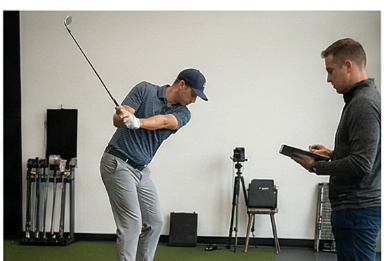
Early Extension in Golf: Why You're Losing Posture
Golfers lose posture in the downswing because the body moves toward the ball instead of rotating around it. Learn what causes it and how to fix it.
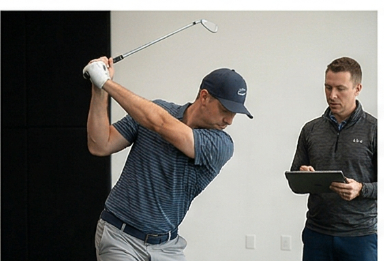
Wrist Structure in the Backswing and Clubface Control
Wrist structure in the backswing helps organize the clubface, control club position at the top, and simplify the downswing.
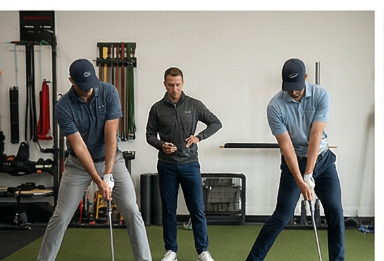
Lead Leg Mechanics in Golf: Sliding vs Posting
The difference between a sliding lead knee and a posted lead leg can change everything about impact and speed transfer.
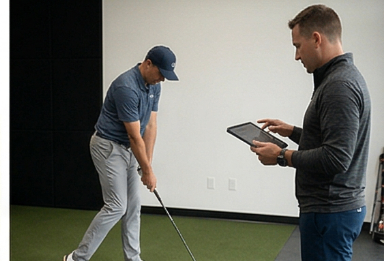
Why Head Movement Matters for Ball Striking
Head movement affects balance, low point control, and how consistently the body organizes the swing. Stable does not mean still.
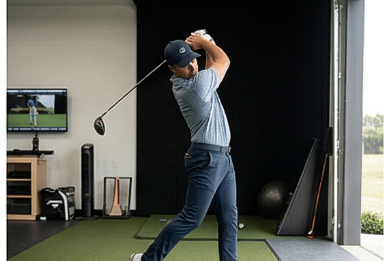
How Elite Golfers Use the Ground for More Swing Speed
More swing speed does not start in the arms. It starts in how the body interacts with the ground through pressure shift and sequencing.
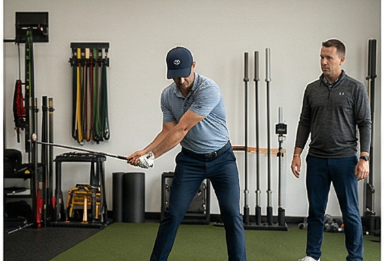
How Your Upper Core Transfers Power in the Golf Swing
The upper core transfers force from the ground and lower body into the arms and club. If it does not rotate and stabilize efficiently, speed is lost.
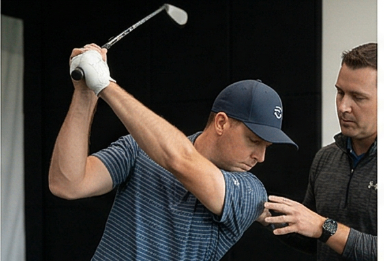
How Your Hands and Wrists Control Clubhead Speed
Your hands and wrists help create speed by storing leverage, controlling the clubface, and releasing energy at the right time.
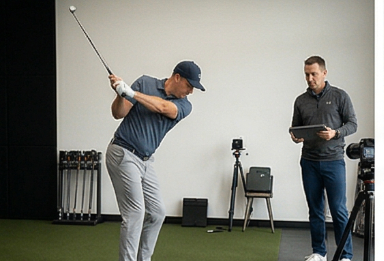
Why Early Extension Is So Hard to Fix in Golf
Early extension is hard to fix because it is usually not the real problem. Learn why it is a compensation and what actually fixes it.

Driver Dispersion Patterns: How to Find Your 'Miss' and Fix It
Your driver isn't 'inconsistent.' It's patterned. Map your dispersion, find your miss, and fix the right constraint.
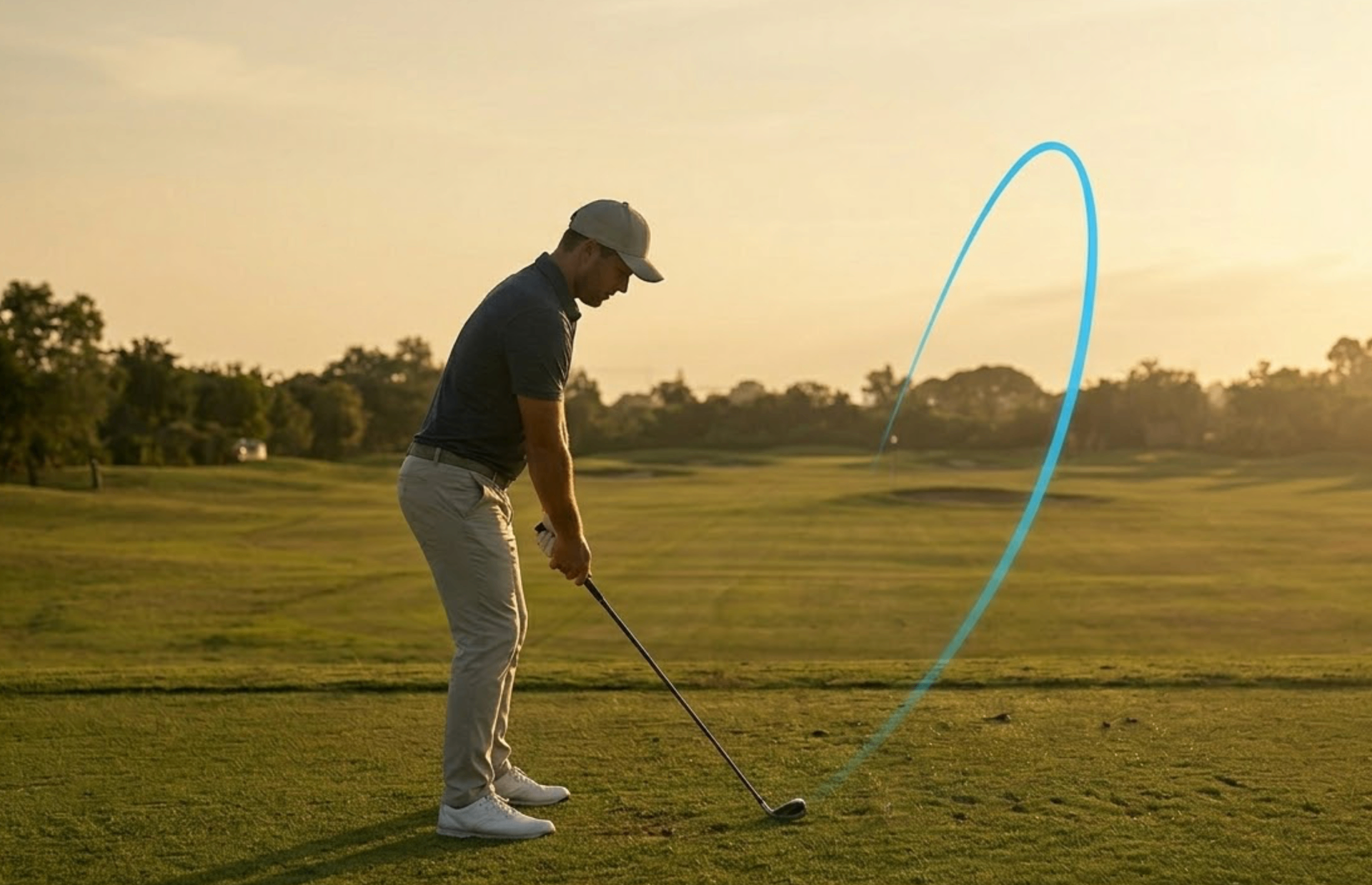
How to Build a Stock Shot (So You Stop 'Searching' on the Course)
The best players aren't trying to hit every shot. They're trying to hit their shot: over and over.

Shot Shaping for Better Golf: Fade vs Draw (And How to Practice It)
Shot shaping is useful: after you own a stock shot. If you don't, shaping becomes a fancy way to spray it.
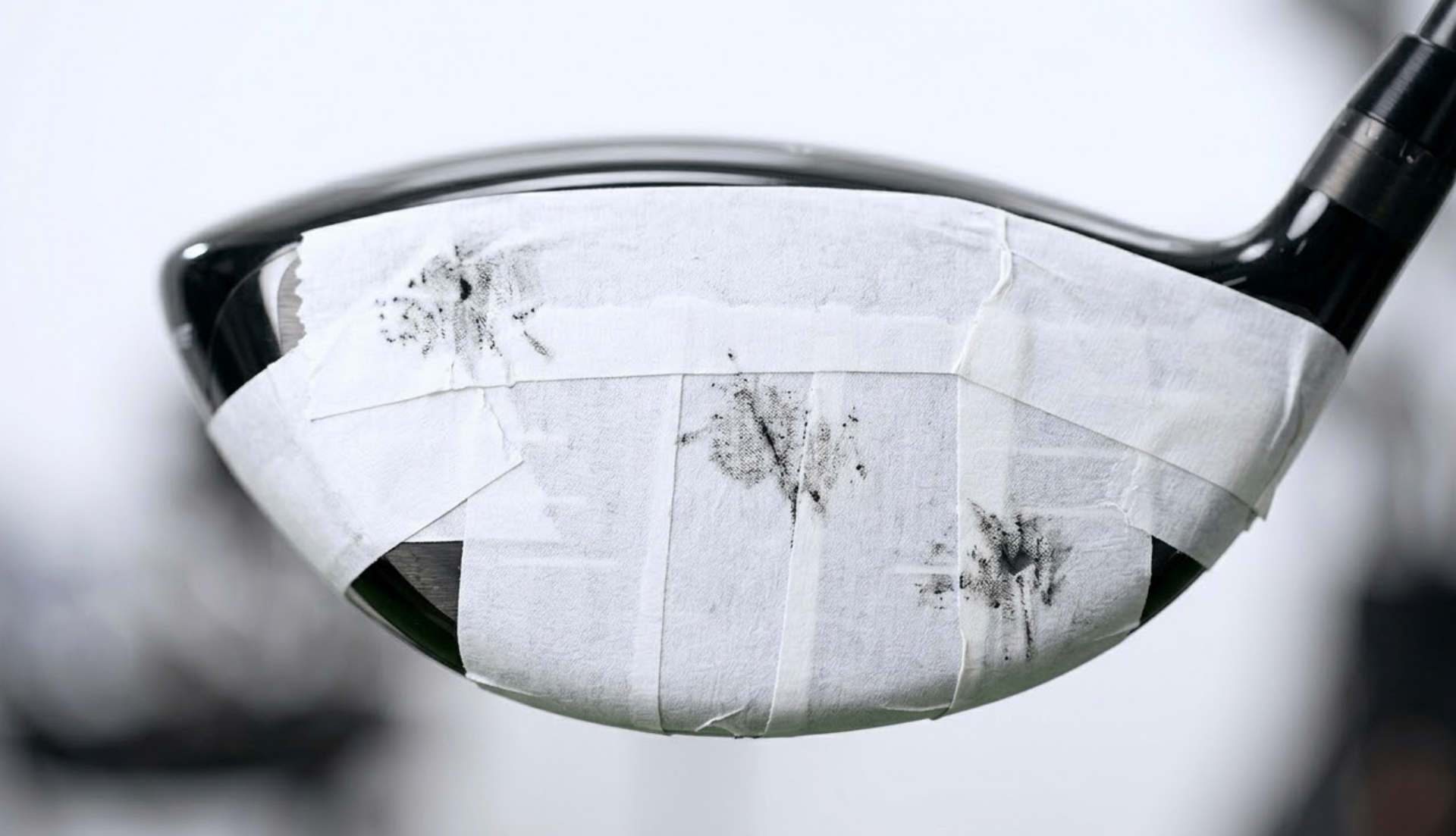
Driver Strike Location: The Hidden Key to Launch, Spin, and Distance
A lot of golfers chase launch monitor numbers by changing shafts and lofts. Sometimes the problem is simpler: you're not striking the face consistently.
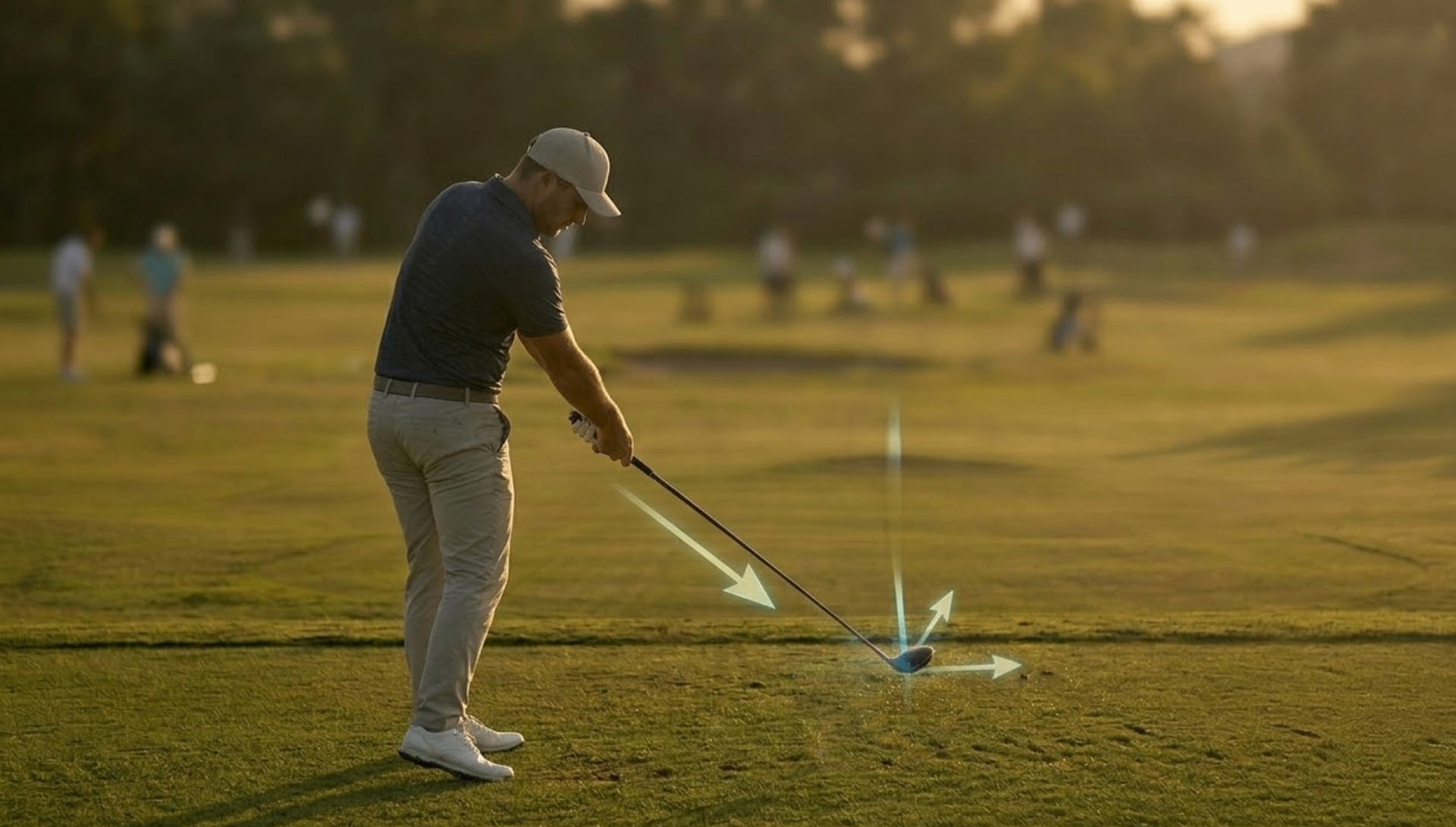
Face-to-Path Explained: The Only Ball Flight Model You Need
If you're an advanced golfer, you don't need more tips. You need a model that explains cause and effect.

Golf Speed Training Program: Add MPH Without Losing Your Swing
Speed is valuable. But speed without control is just a longer walk into the trees.

Golf Mobility Routine: Hips + Thoracic Spine (10 Minutes That Matters)
Most golfers don't need a new swing thought. They need their body to rotate without compensation.
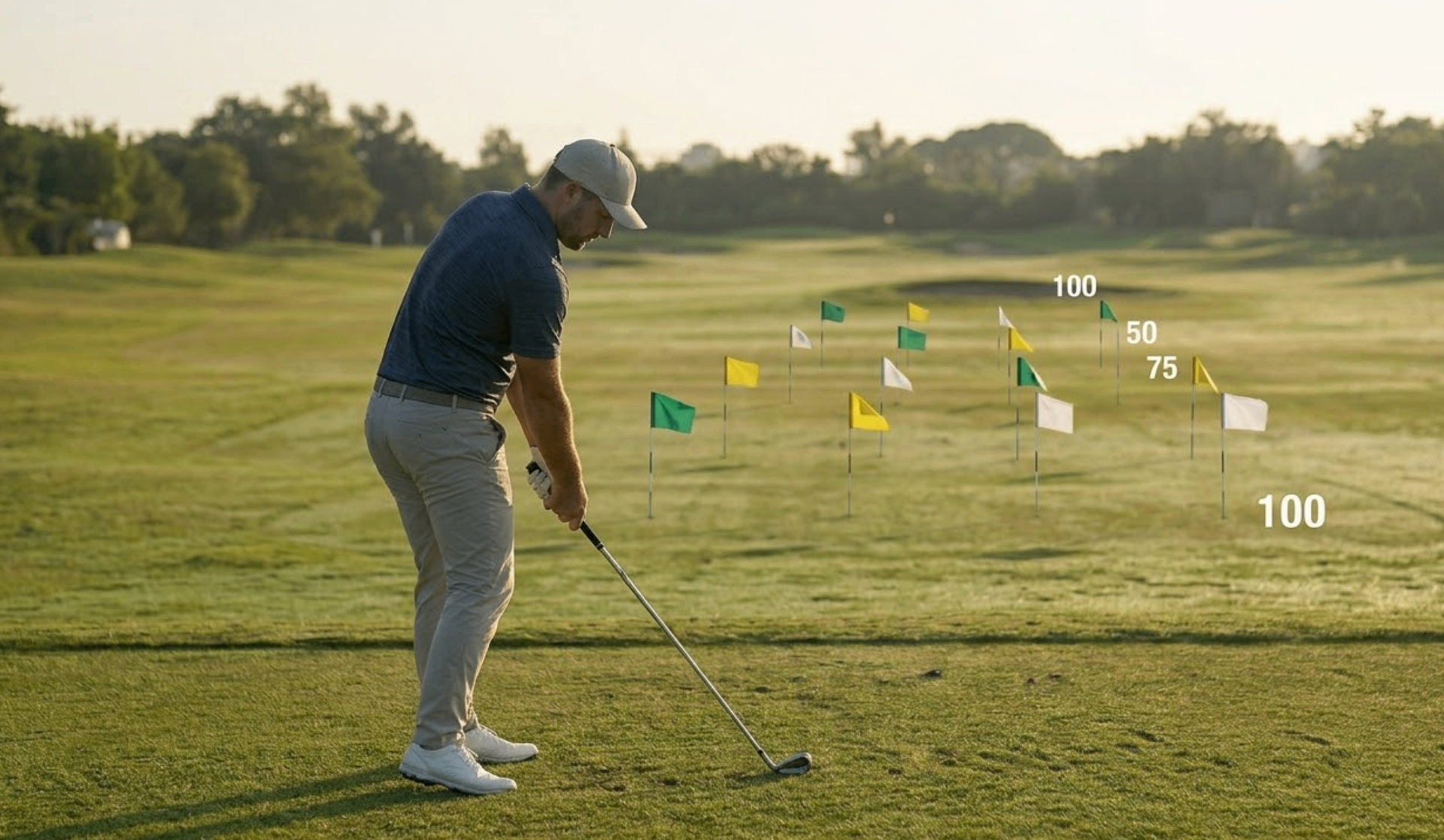
Wedge Distance Control Matrix: Build Stock Yardages You Trust
If you want lower scores, your wedge game is the fastest place to buy strokes.

Wedge Proximity Drills: Train Distance Control That Shows Up on the Course
Most golfers practice wedges by hitting 10 balls to one number. That's not what golf asks of you.
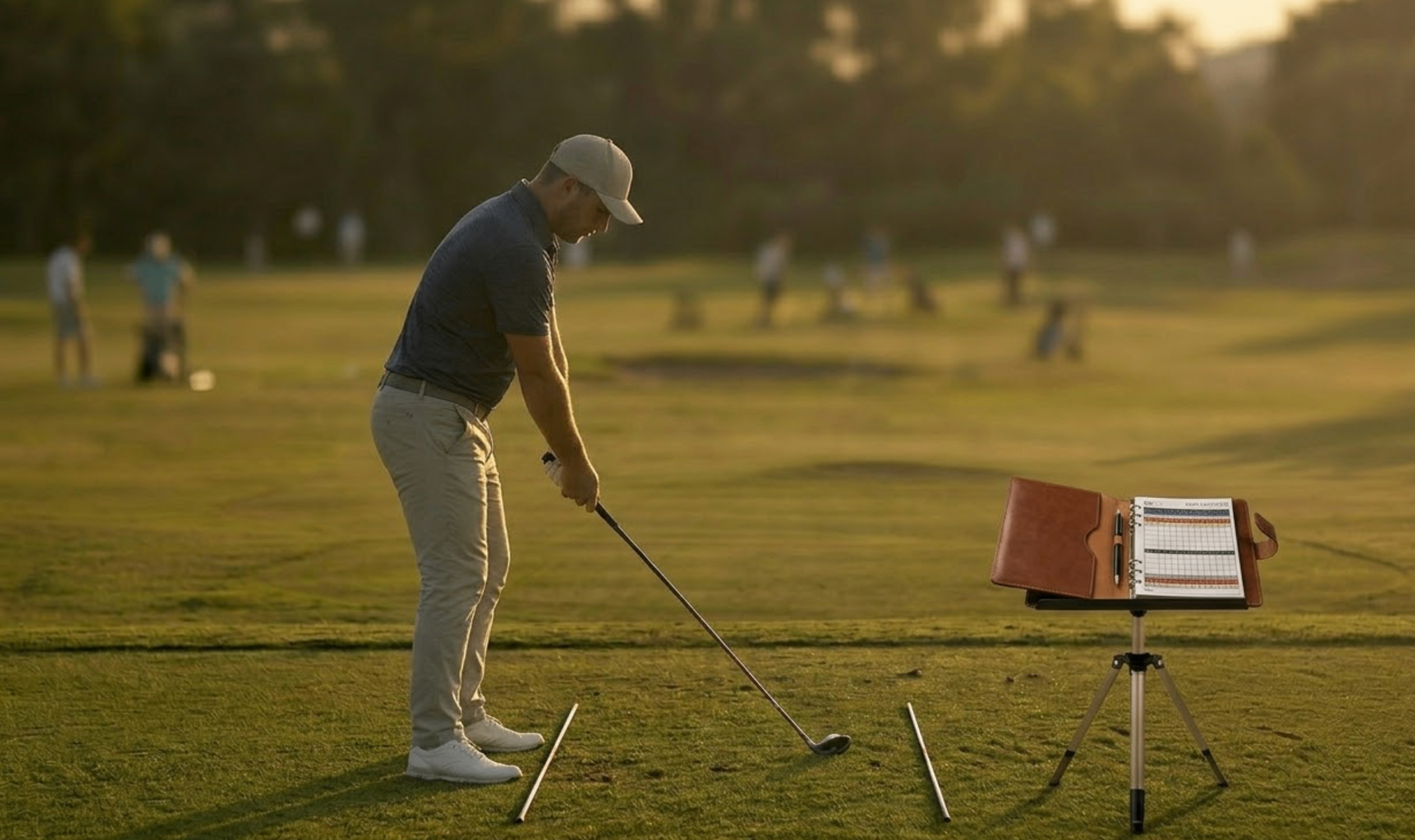
How Low Handicaps Should Practice: The Difference Between 'Work' and 'Warm-Up'
Most decent players are 'practicing' a lot. They're also not improving. Because what they're doing is warm-up.

How to Practice Pressure Putts (So You Stop Leaving Strokes Out There)
Most golfers 'practice' putting by rolling a few and leaving. Then they wonder why 4-footers feel scary.

How to Use the Driving Range as a Beginner (Stop Wasting Balls)
Most beginners think more range balls means more improvement. It does not. If you hit 80 balls with 80 different thoughts, you are practicing chaos instead of building skill.
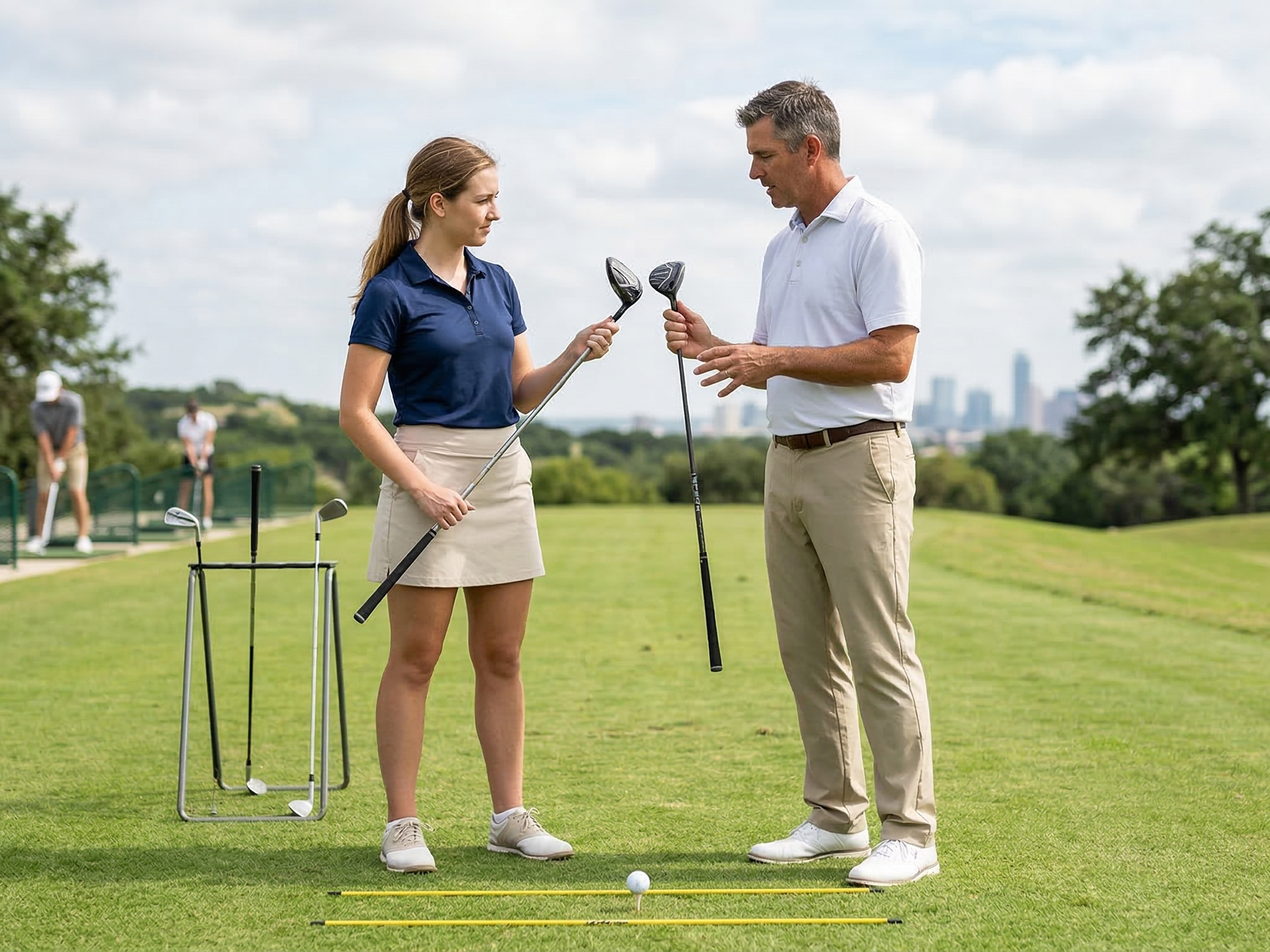
Hybrid vs Fairway Wood for Beginners: Which One Should You Use?
If you are deciding between a hybrid vs fairway wood as a beginner, the easier answer for most golfers is hybrid. It is usually more forgiving off the turf, easier from rough, and more beginner-friendly on mishits.

Beginner Driver Tips: How to Hit Your Driver Without Creating Bad Habits
Driver is the most exciting club in the bag, but for many beginners it is also the least reliable. The goal is not to swing as hard as possible. The goal is to build a repeatable tee shot that stays in play.

How to Hit Irons Solid (Beginner): Contact, Divots, and a Simple Drill
If you want to know how to hit irons solid, focus less on making the swing look perfect and more on making the strike more predictable.

How Often Should Beginners Practice Golf? (A Coach's Simple Weekly Plan)
Most new golfers improve faster with two focused sessions each week than with random long range days.

How to Stop Chunking Iron Shots: A Beginner's Low-Point Fix
If you chunk iron shots, the club is striking the ground before it reaches the ball. The good news is that chunking is often a simple low-point problem.
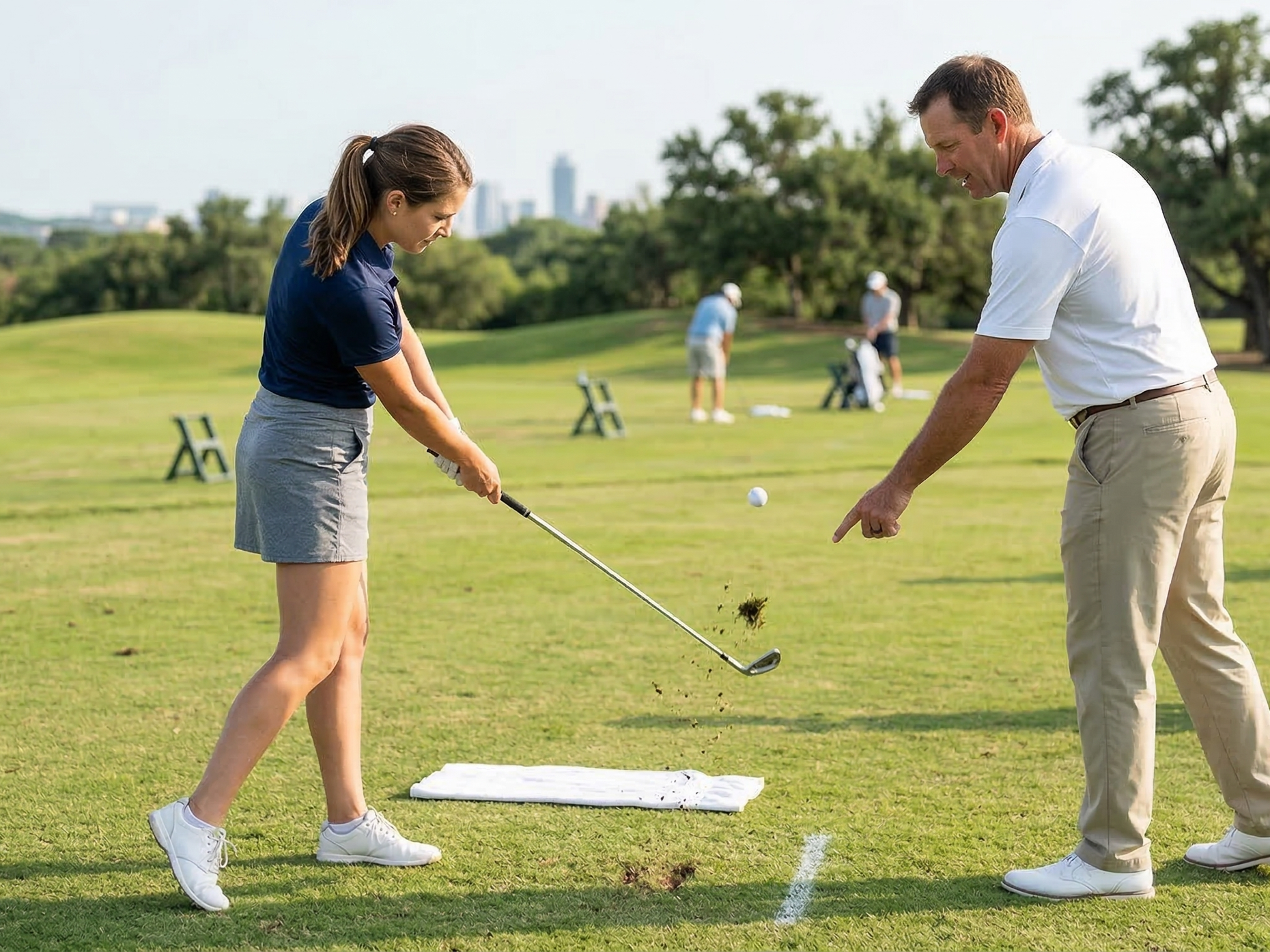
How to Stop Topping the Golf Ball (3 Causes + Fixes for Beginners)
If you keep topping the golf ball, the usual advice to keep your head down is probably not the fix you need. Topped shots are usually a low-point problem.

Beginner Golf Setup & Alignment: The Fix That Costs Zero Strokes
If your swing feels different every shot, your setup may be the real problem. A solid golf setup for beginners gives you the same starting point every time.
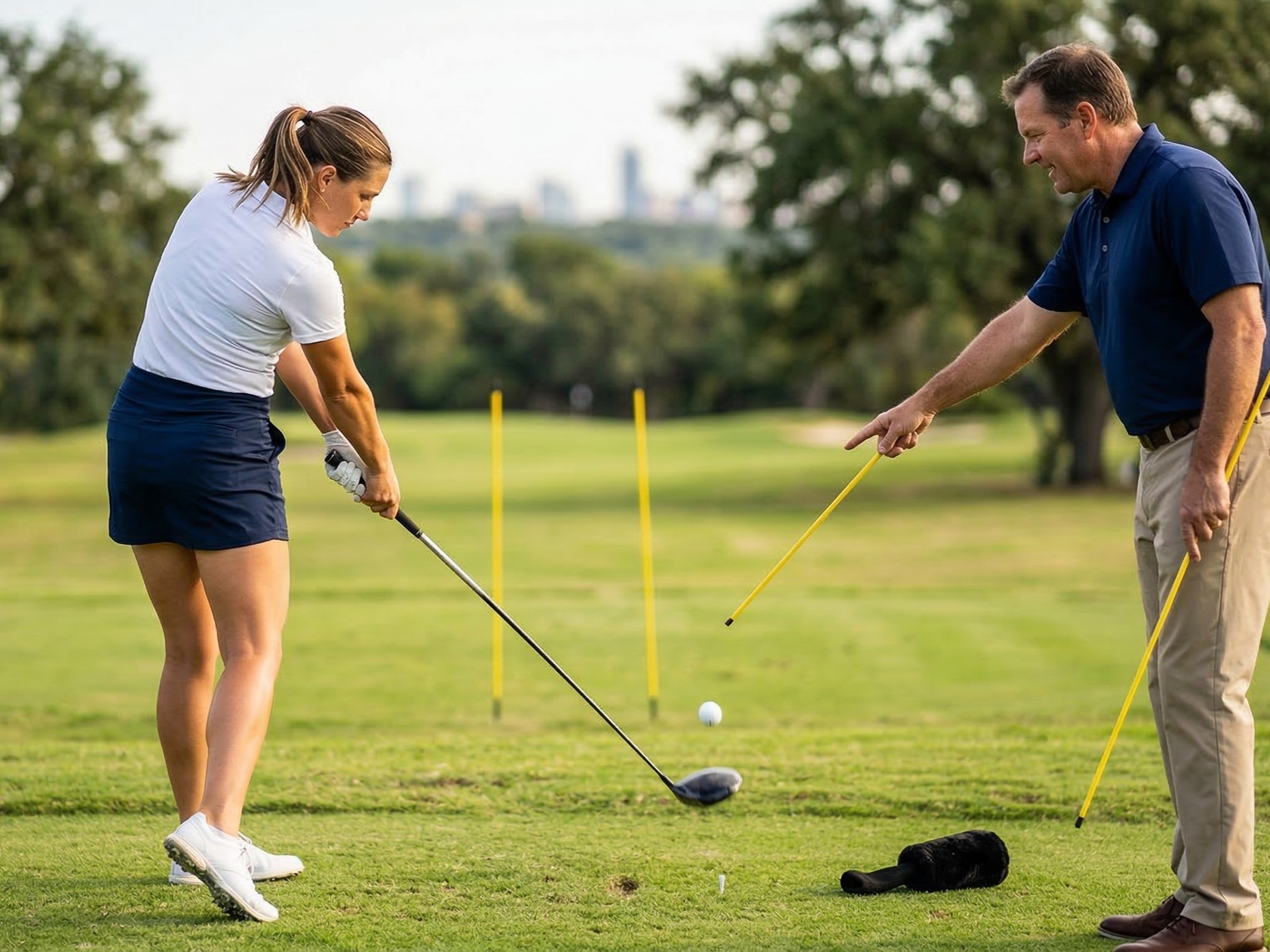
How to Stop Slicing the Golf Ball (Beginner Plan That Actually Sticks)
If you want to know how to stop slicing the golf ball, start with the real cause: the clubface is too open relative to the direction the club is moving.

Driver Dispersion Patterns: How to Find Your 'Miss' and Fix It
If you're an experienced golfer, your driver isn't 'inconsistent.' It's patterned. The fastest performance gains come from identifying that pattern and training the constraint behind it.
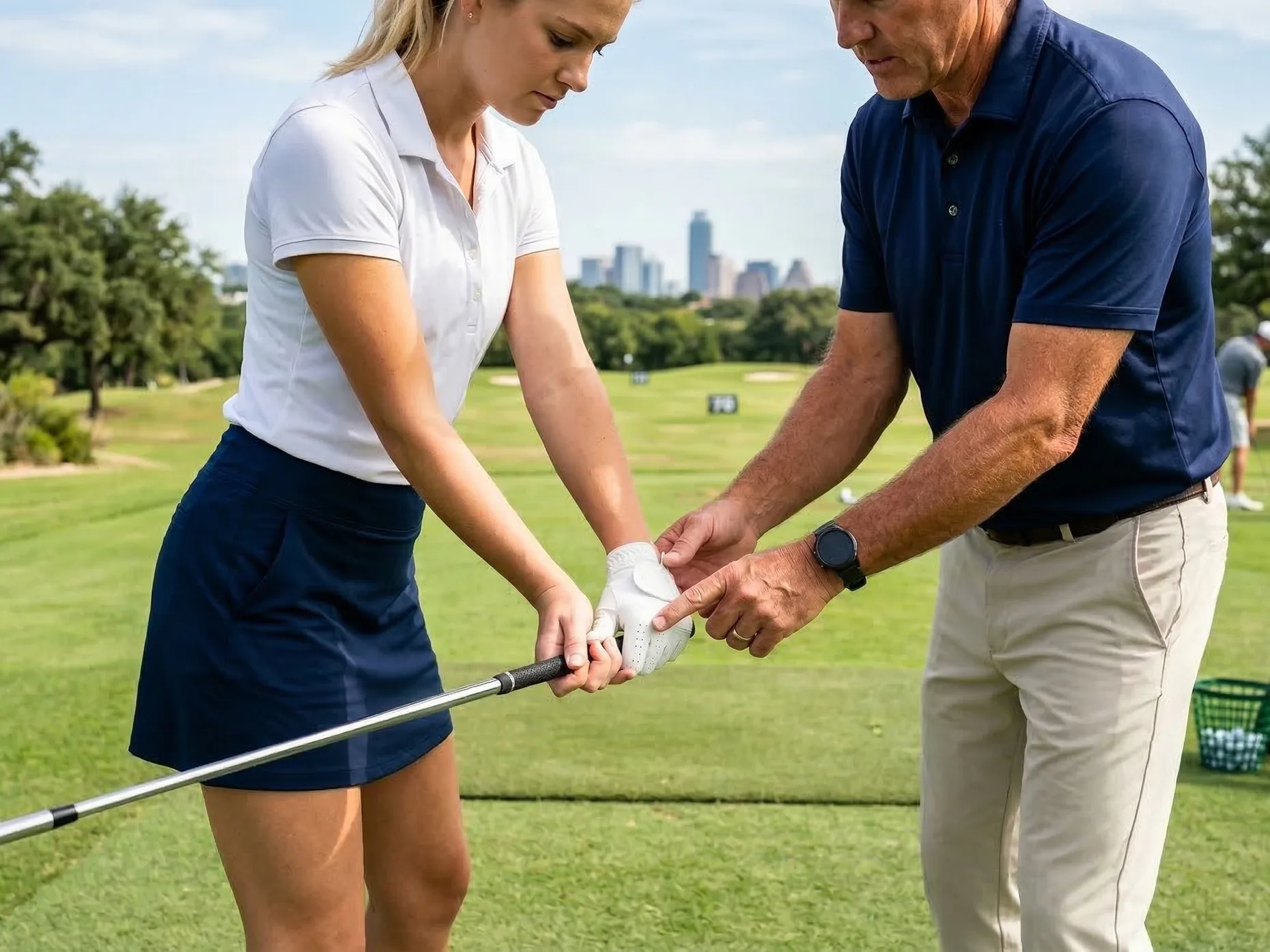
Golf Grip for Beginners: Fix Your Slice Without Rebuilding Your Swing
Your grip controls the clubface, and the clubface controls where the ball starts. For many new golfers, a better grip is the fastest fix.
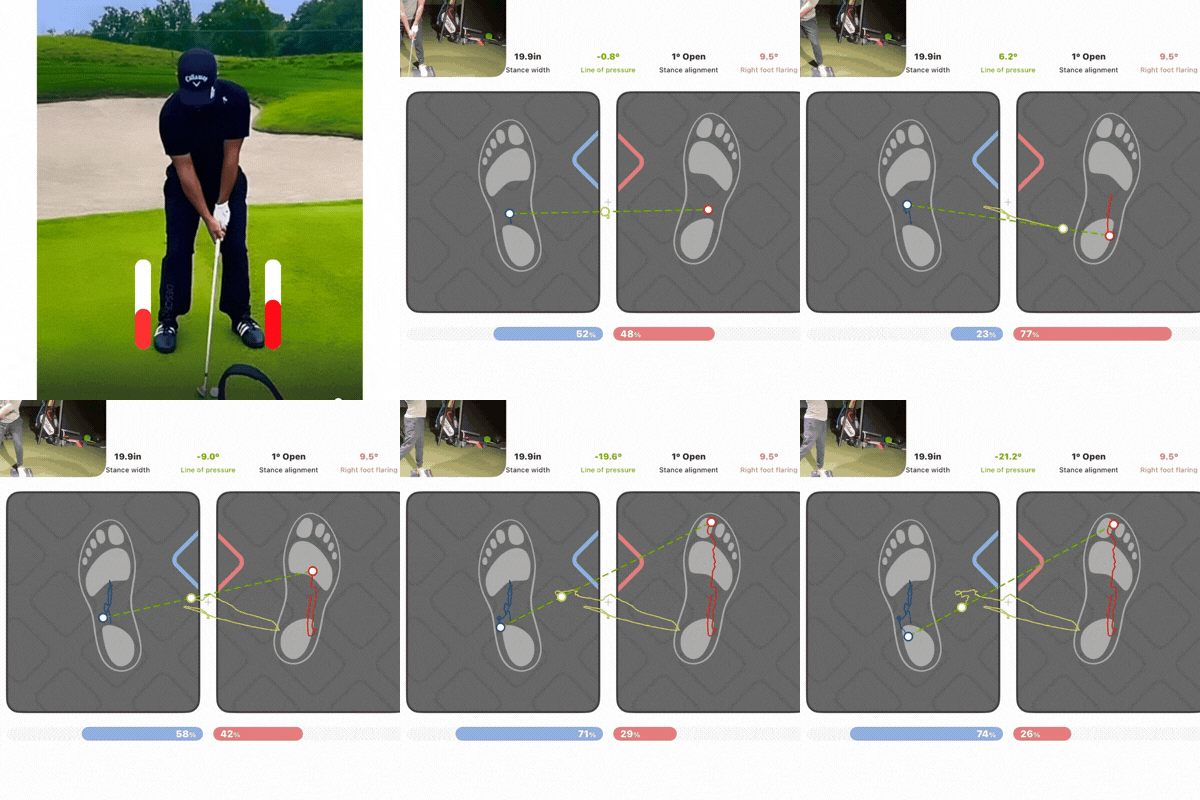
Pressure Shift for Speed & Solid Iron Contact
Using your legs is important: but using them at the right time is what really separates solid iron players from inconsistent ones.
Swing Analysis: Hip & Shoulder Rotation: Pro Benchmarks vs Amateur Limits
The powerful interaction between hip rotation and shoulder rotation drives clubhead speed, consistency, and injury prevention.

How to Use Your Legs for More Club Speed
Most power is produced from the ground up. The legs don't just support your stance: they drive the sequence that builds speed and consistency.

How to Putt on Austin Greens: Technique, Speed Control & Stroke Fundamentals
Your technique, your speed control, and your stroke pattern determine your entire scoring ceiling.

Reading the Austin Greens: How to Read Greens and Commit to Your Line
Your stroke is important, but your ability to see the putt, choose a line, and commit to your intention is what transforms your results.
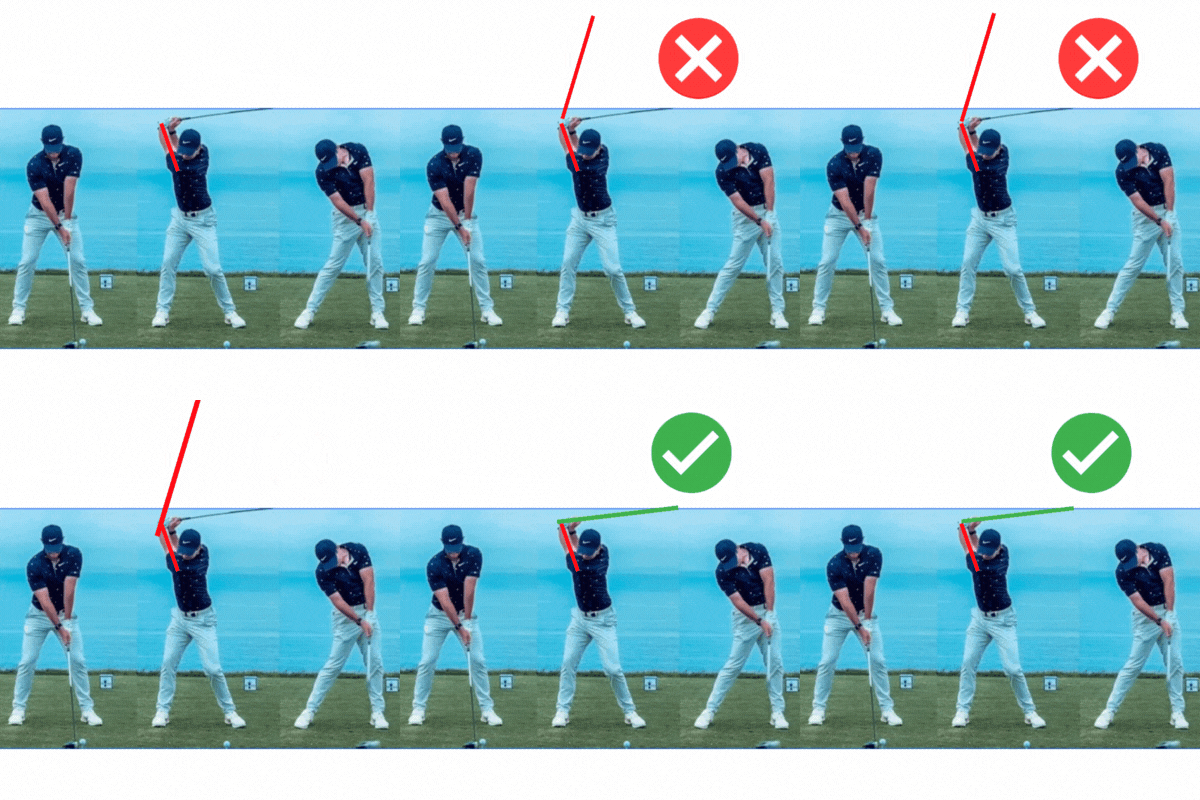
Golf Swing Analysis of Early Casting: Body Patterns That Cause Flipping
Casting: the early unhinging of the wrist in the downswing: often shows up as a fault of the arms, but many of its roots lie deeper: in how the body moves.
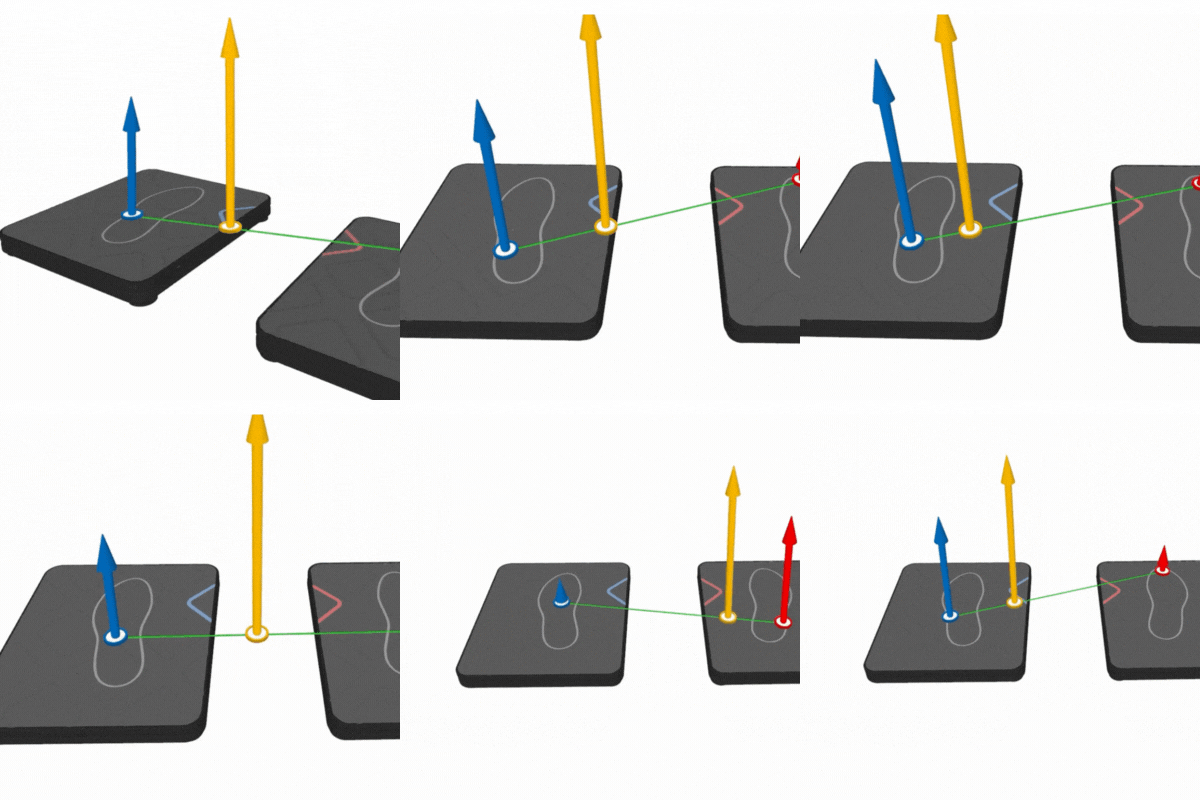
Golf Ground Reaction Forces: Vertical Force: The Hidden Source of Speed
Vertical force is the upward push into the ground that helps create late downswing speed. But it doesn't work in isolation.
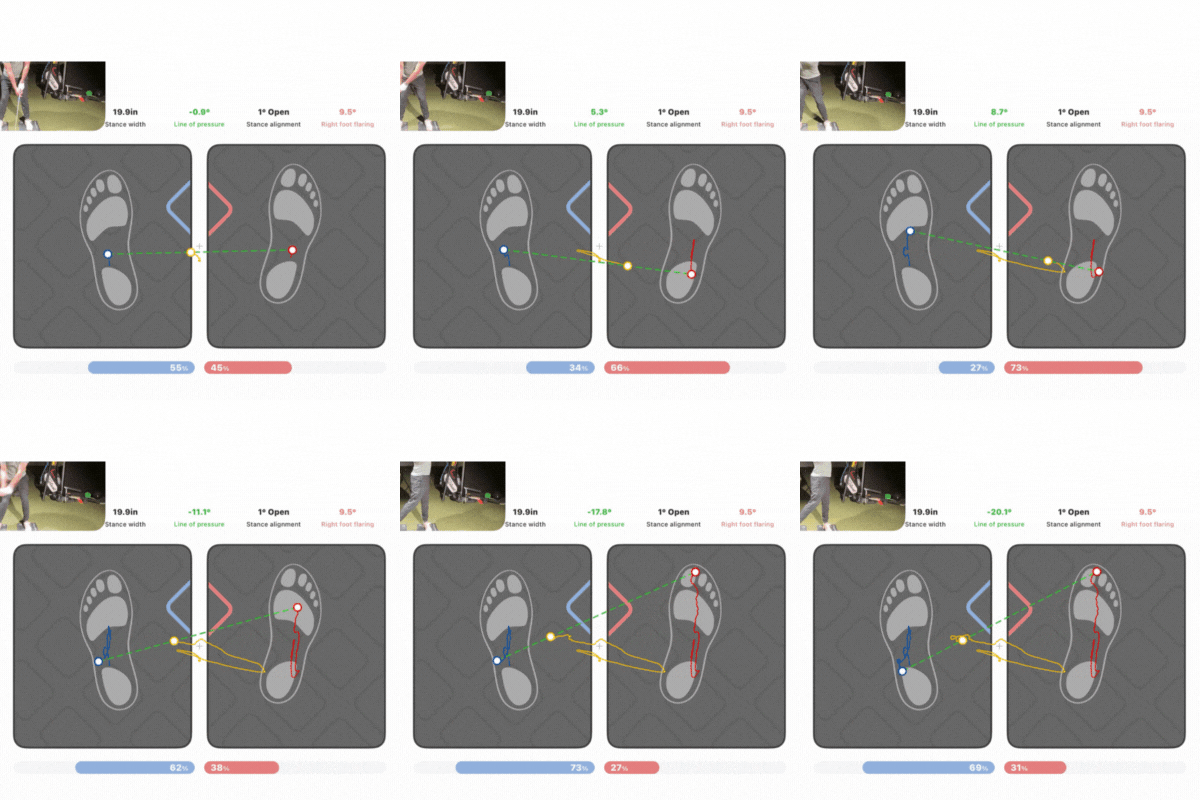
Golf Ground Reaction Force: Torque: The Rotational Engine of the Swing
Among the three ground-reaction forces, torque is the engine that converts pressure shifts and vertical force into actual rotational speed.
Ground Reaction Forces in Golf: When to 'Kick' Into the Lead Leg
That moment when the front leg 'posts' is not just style: it's the hinge point where lateral motion turns into vertical force and rotation.
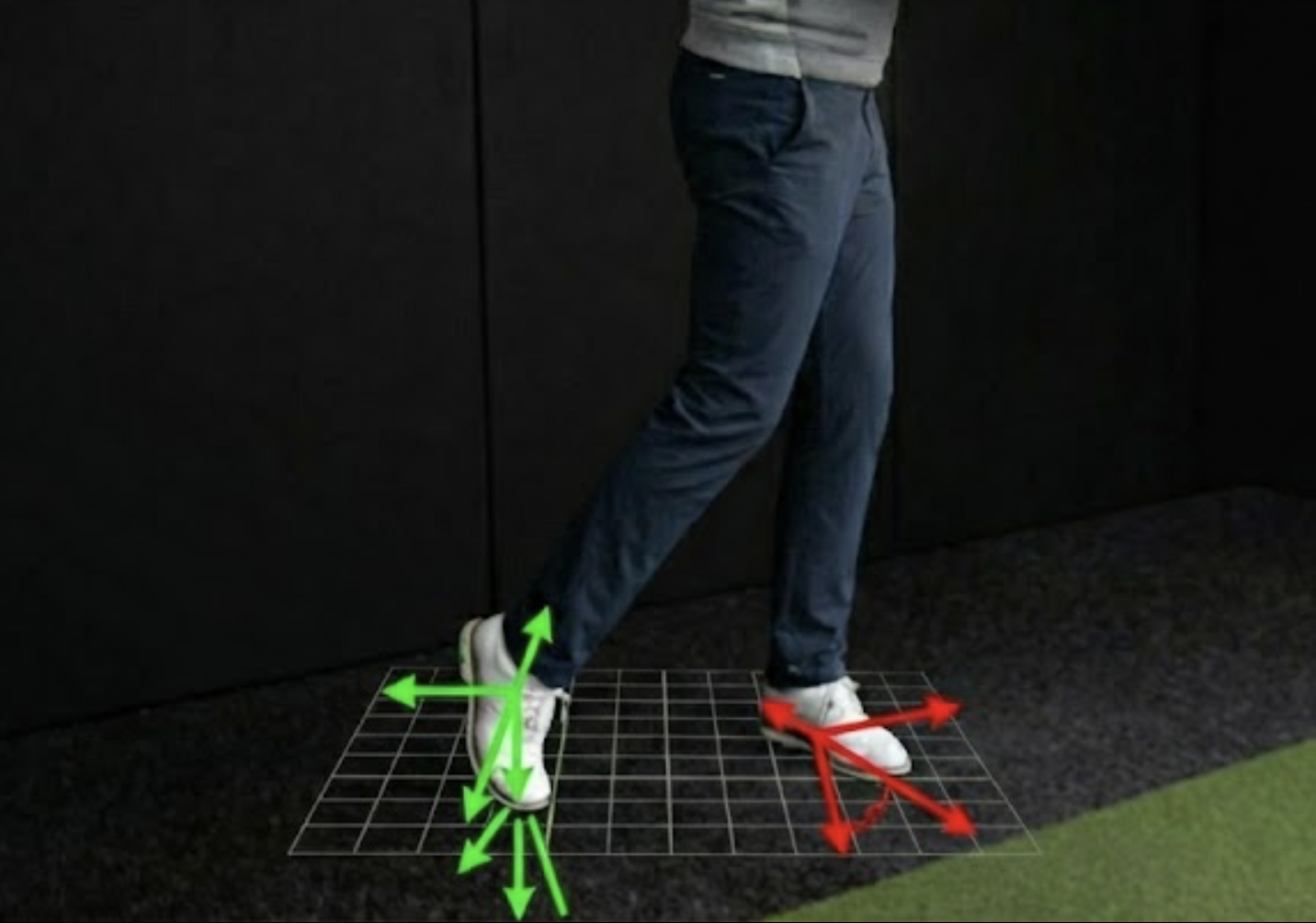
Golf Swing Analysis: Trail and Lead Foot
Your feet aren't passive: they're the anchor points that transfer energy from the ground through your hips, torso, and into the club.
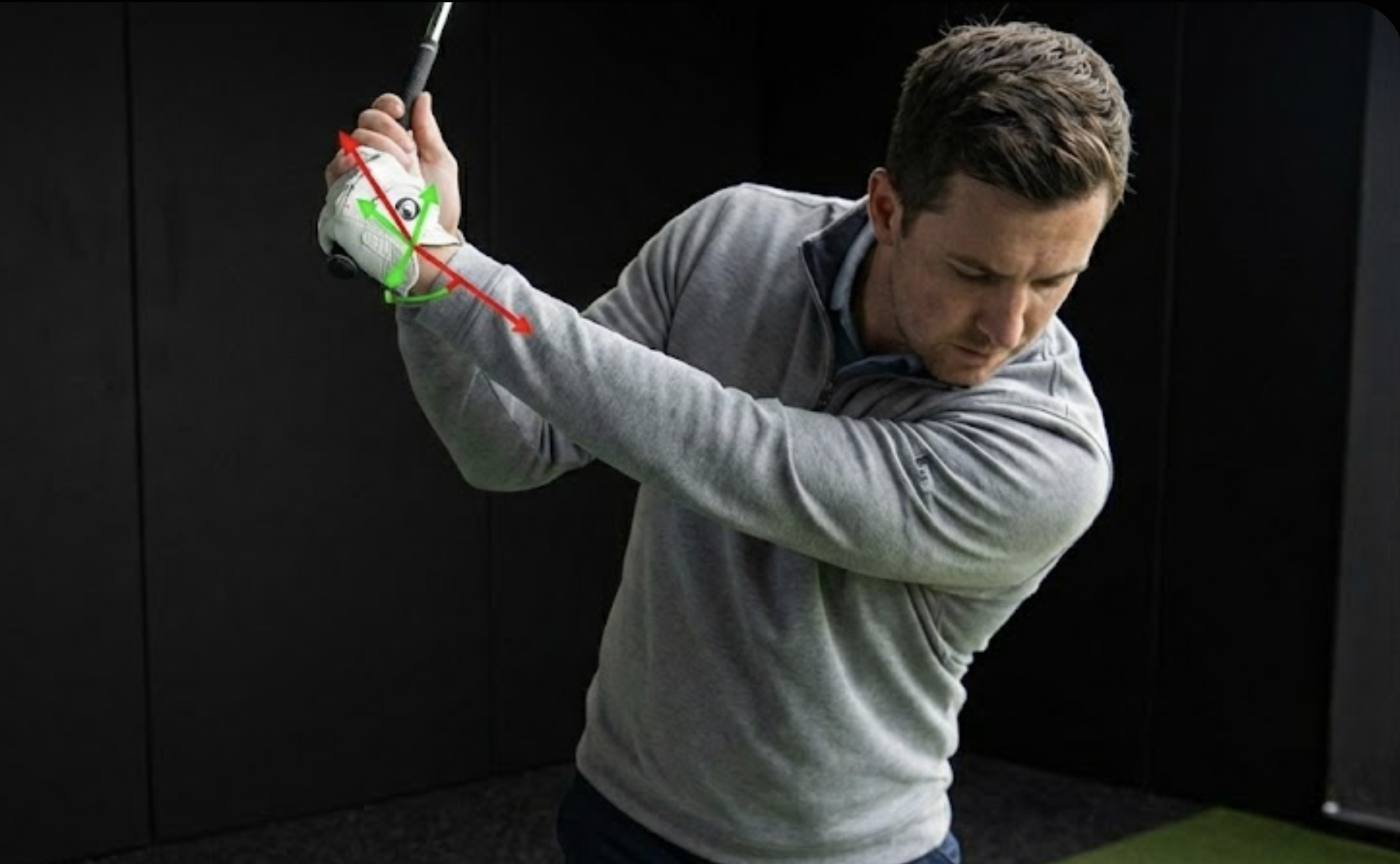
Golf Swing Analysis: Trail Hand Grip
The trail hand grip is equally important as the lead hand. It controls the face, stabilizes the club, and provides the release that generates speed.
Driving Range Sessions in Austin, Texas
Most golfers waste time at the range. Learn how to structure a focused driving range session with intention, feedback, and specific goals.
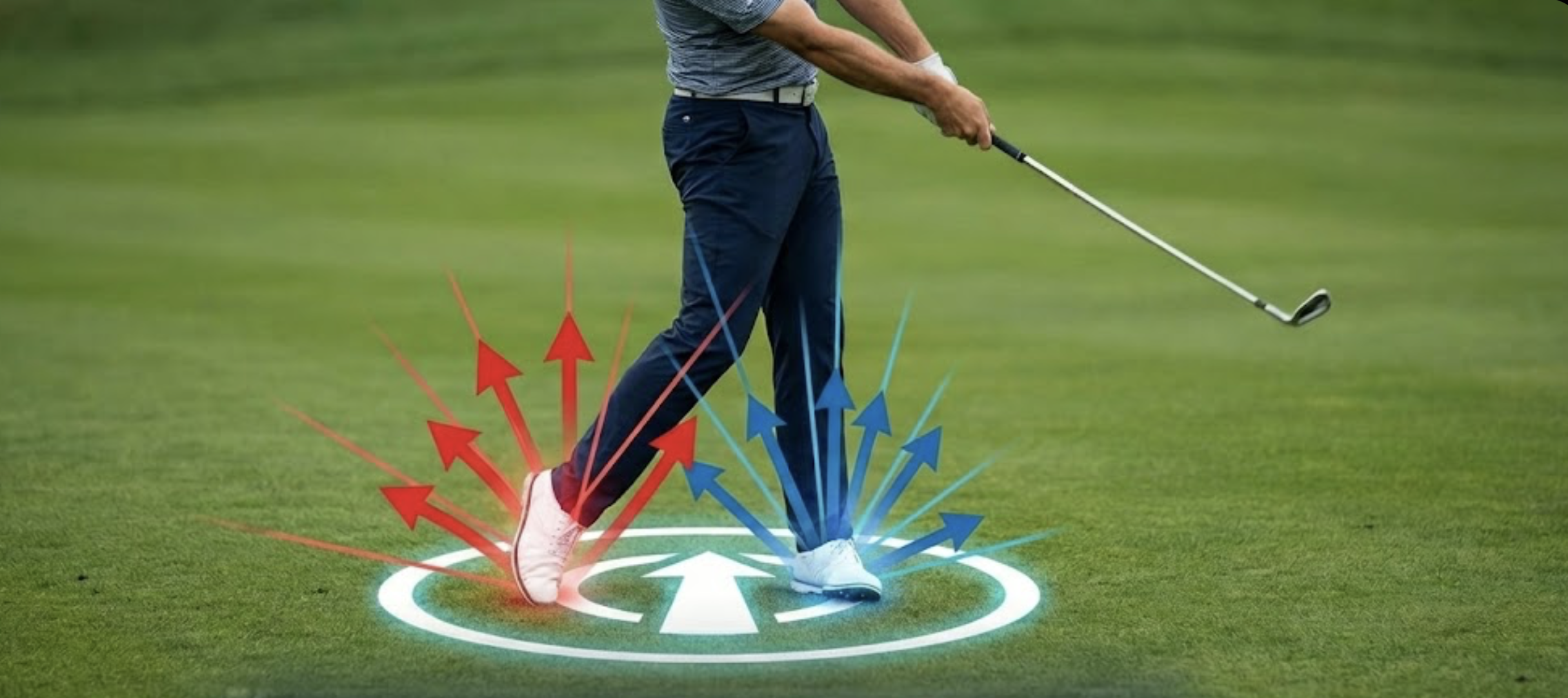
Golf Swing Analysis: Invisible Forces
Inside every powerful swing is a world of invisible forces: pressures, rotations, and ground reactions you can't see with the naked eye.
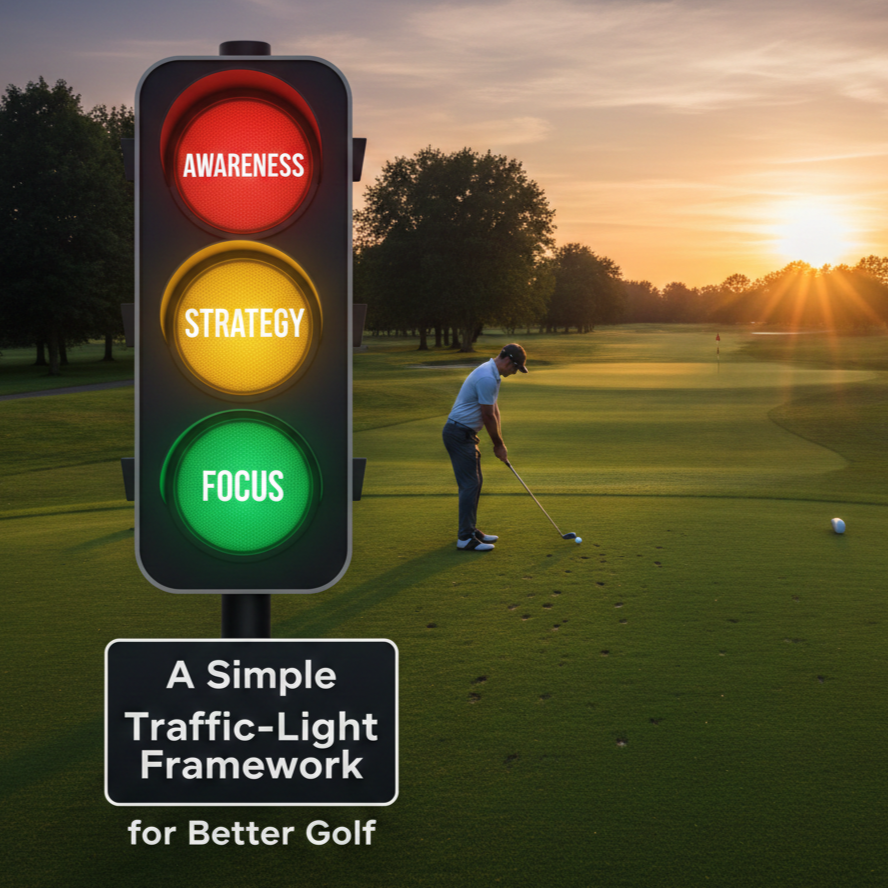
Awareness, Strategy, Focus: A Traffic-Light Framework for Better Golf
When you drive up to a traffic light, you don't overthink what to do. Great golf works the same way: observe, decide, and act.

Mastering Hip Clearance in the Golf Swing
Clearing the hips effectively during the downswing is one of the key differences between elite players and struggling amateurs.
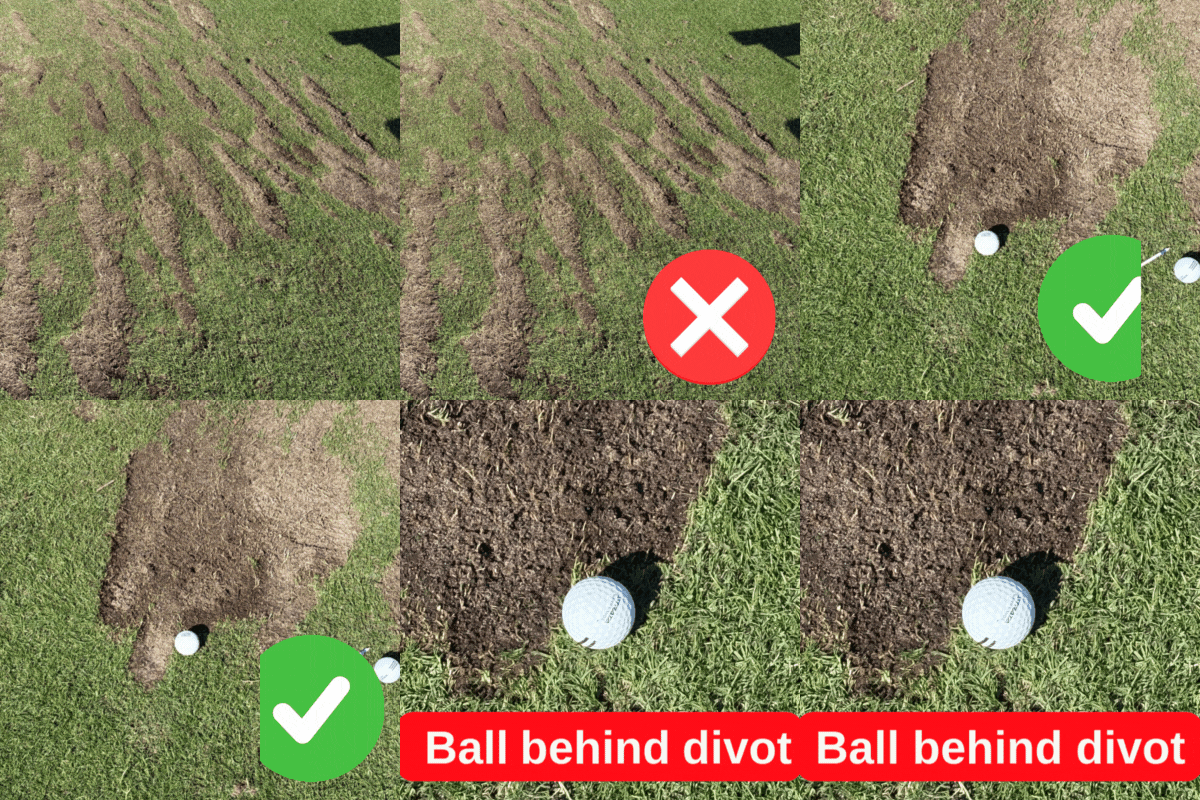
Practice Like a Pro: Take Care of the Turf
When the pros hit balls on the range, they set each ball right behind the previous divot. This simple habit improves your practice and protects the turf.

The Golf Ball Doesn't Care About Your Feelings
How something feels isn't always how it is. The golf ball doesn't respond to your feelings; it responds to the club's position, path, and face angle at impact.
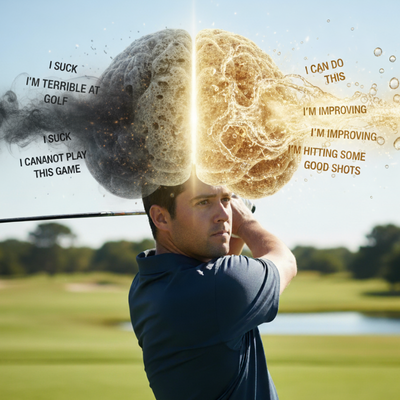
Training the Inner Conversation: What You Tell Yourself Matters
One of the most powerful parts of your golf game isn't your grip or your stance: it's the conversation you have with yourself every round.
Why Every Golfer Needs a Swing Coach
Do you really need a swing coach? Yes: if you want faster improvement, fewer injuries, and more consistent scores. Here's the science behind why coaching works.
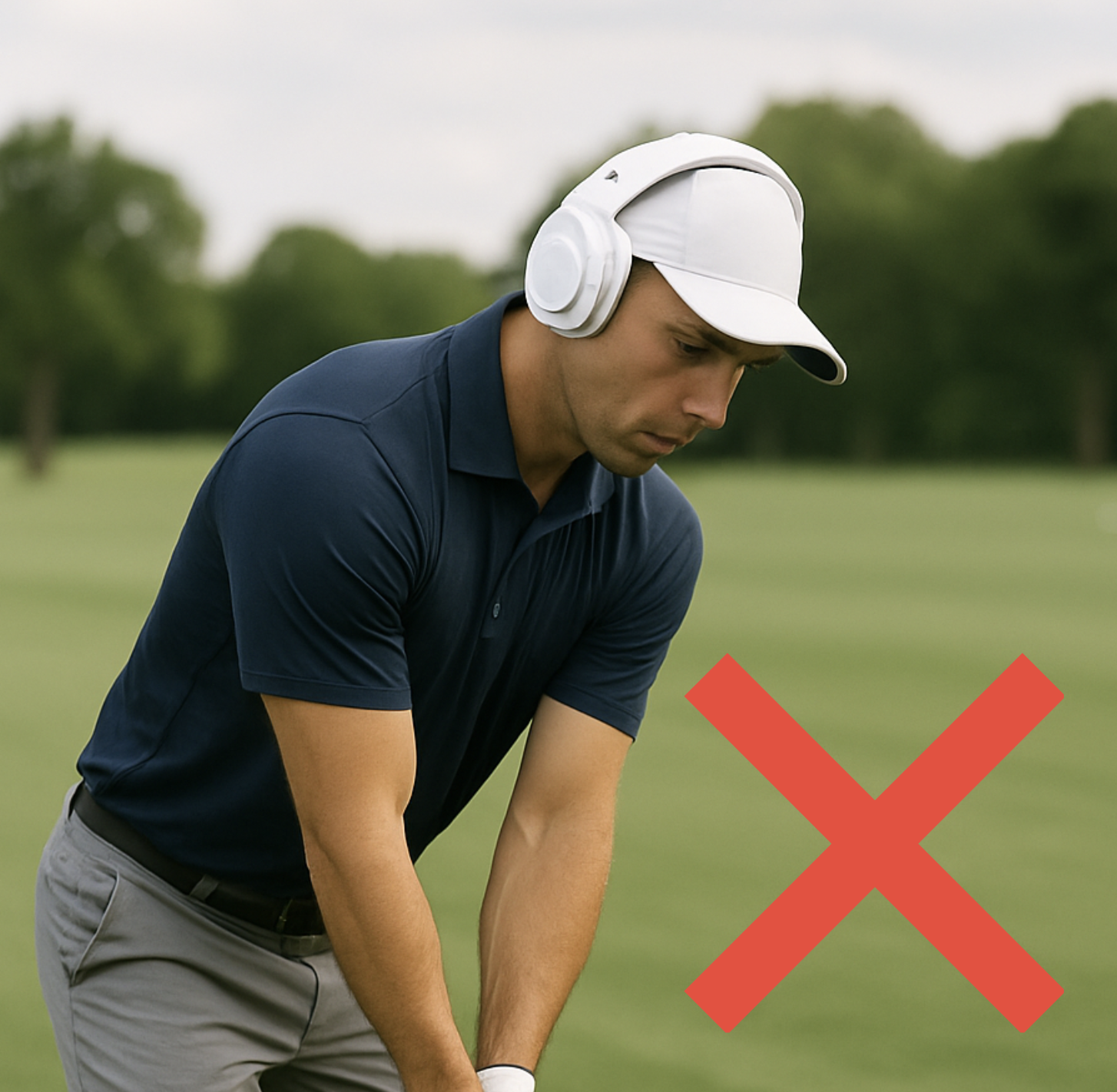
Why Pro Golfers Skip the Earphones
No earphones. No playlists. Just the sound of club meeting ball. For pro golfers, that sound is instant feedback: faster than video, faster than feel.
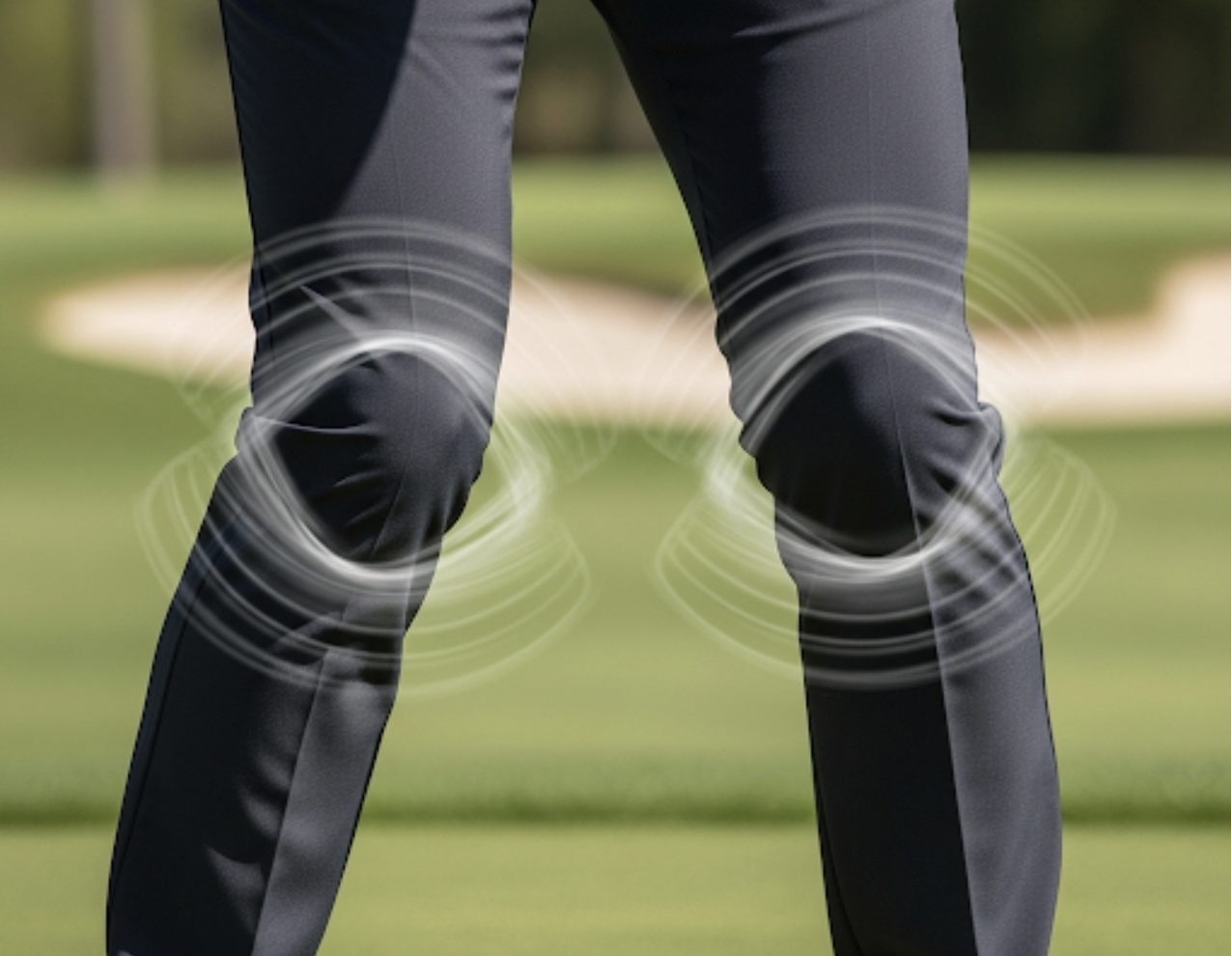
Golf Swing Analysis of Knee Movement
Your knees aren't passive hinges: they stabilize, transfer force, and sequence movement through every phase of the swing.
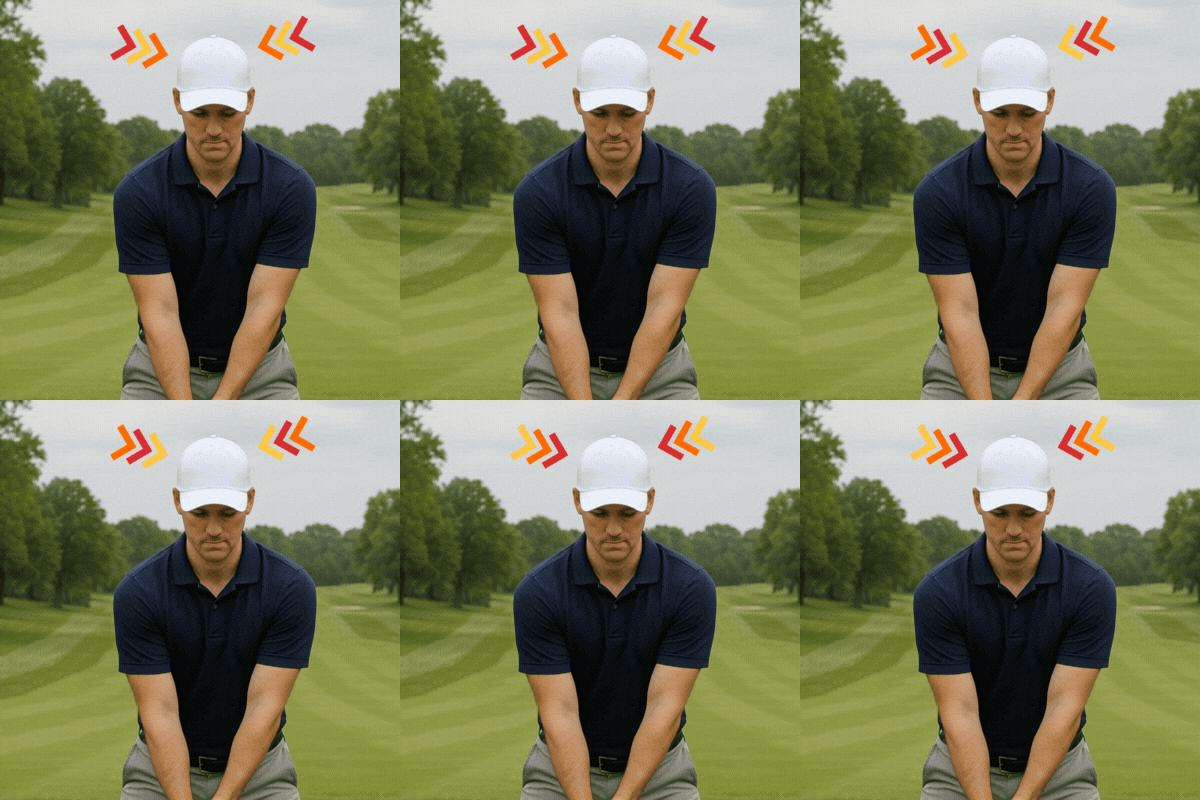
Swing Your Swing: But Make It Count
Yes, swing your swing: but make it the version that gives you reliable, repeatable, confident golf shots.

Golf Instructor Insight: What Your Feet Do and Why It Drives Your Swing Power
Your feet aren't just passive props: they actively sequence pressure, stability, and propulsion throughout the swing.
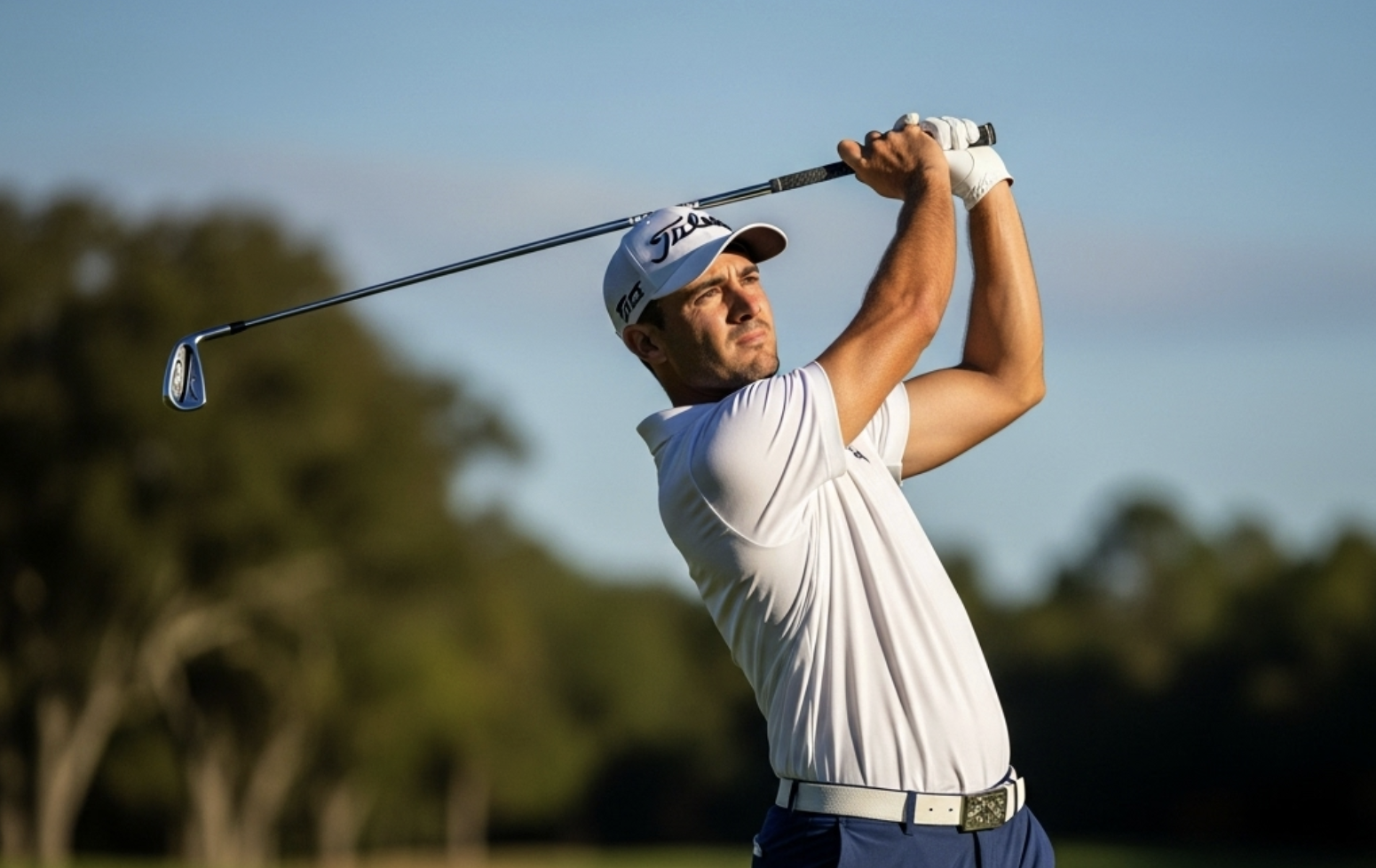
Unlocking a Flawless, Fluid Golf Swing
Power isn't built from force alone: it's born from how well a golfer orchestrates rotational velocity through the hips and torso.

Golf Swing Analysis of the Trail Wrist
Restricting wrist flexion during the downswing leads to an approximate 46% reduction in clubhead velocity at impact. The trail wrist is essential for power.

Stop Overthinking Your Swing: Feel Your Way to a Repeatable Motion
The most reliable swings don't come from the head: they come from the body. Shift from analytical thinking to embodied awareness.
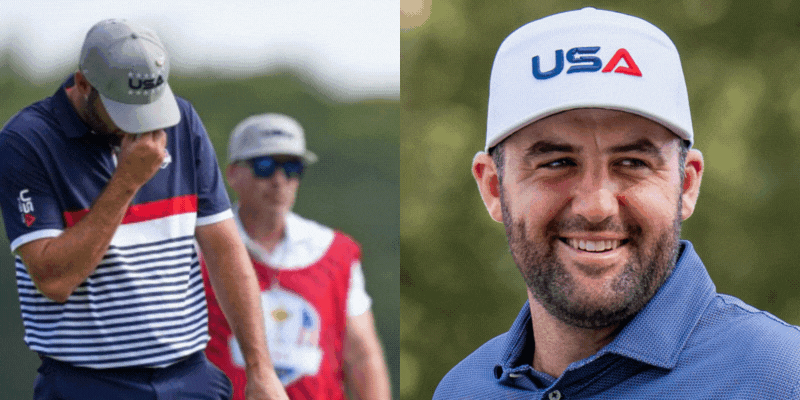
What Scottie Scheffler's Ryder Cup Struggles Can Teach You About Better Golf
Even the world No. 1 struggles when adaptability, teamwork, and mental game don't click. Here are 5 lessons you can take to your own game.
What Really Happens When You Leave Golf Clubs in the Texas Heat
Car interiors can soar past 120°F in a Texas summer. Here's what happens to your golf gear: and why your grips suffer the most.

What's Your Target? What's Your Strategy?
Two powerful questions can completely transform the way you play: What's my target? What's my strategy? Simple, but game-changing.
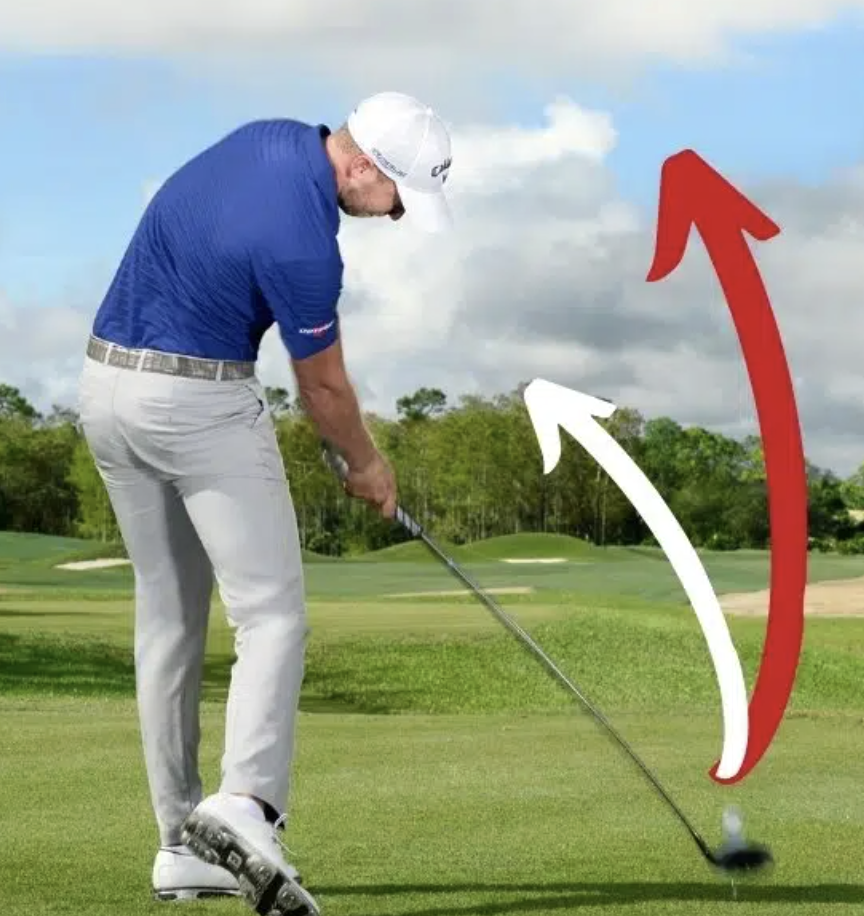
What Your Ball Flight Tells You About Your Swing
Ball flight never lies. Learn how club path and face angle combine to shape every shot: and how to use that knowledge to improve.
Golf Swing Analysis in Austin: Data-Driven Coaching
We use data-driven technology to give you insights that were once reserved for tour professionals. Here's what we analyze and why it matters.
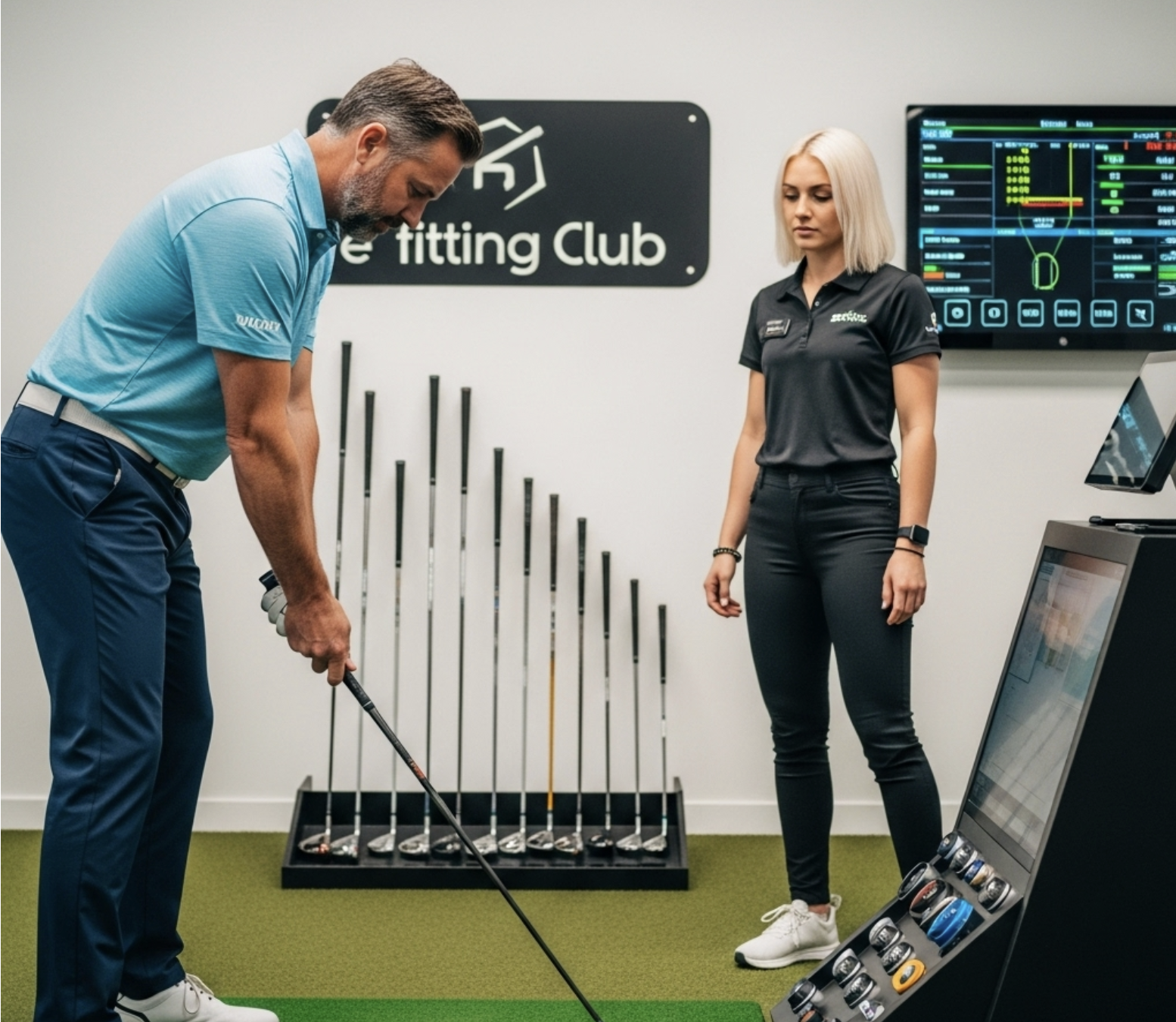
A Coach's Perspective on Club Fitting
Club fitting is powerful: but only when timed right. Here's a coach's honest take on when fitting helps, when it doesn't, and how to get the most from it.
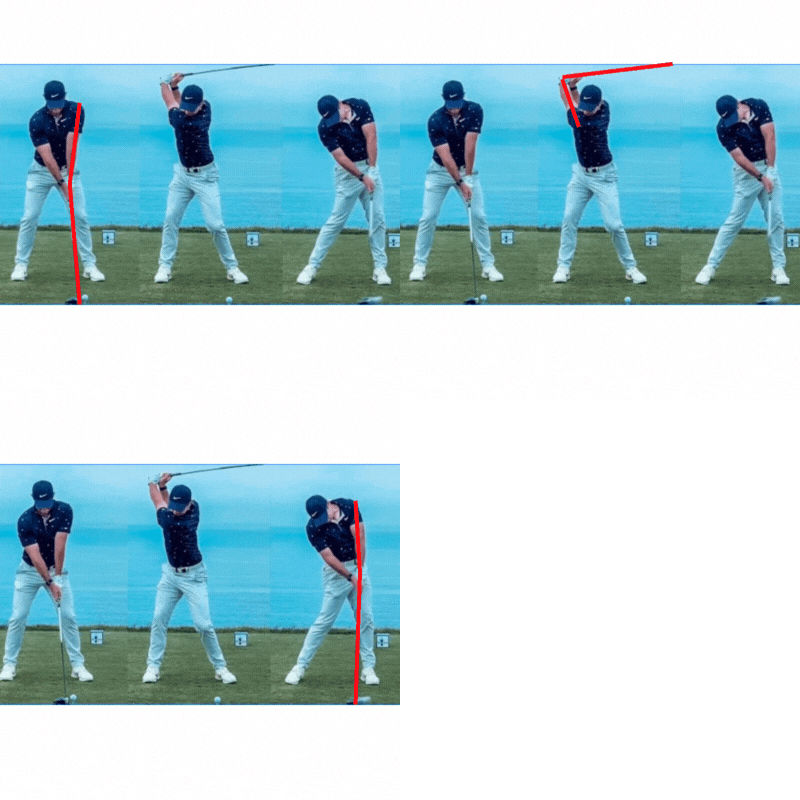
Rory McIlroy's Irish Open Heroics: What One Swing Thought Can Do
Rory McIlroy's dramatic Irish Open win was built on a simple swing thought. Here's how one feel can unlock consistency under pressure.

Chipping with Intention: Mastering Rollout and Distance Control
Chipping with intention means approaching every shot with a clear plan for where the ball will land, how high it will fly, and how far it will roll out.

Golf Swing Analysis through Ball Flight
Ball flight never lies. Learn how club path and club face alignment at impact shape every shot: and how swing analysis bridges the gap between feel and fact.
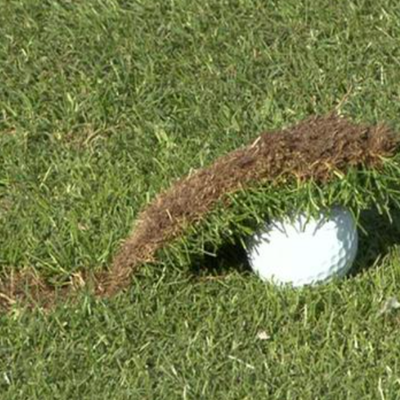
Fat and Thin Golf Shots: Causes, Data, and Fixes
If you've ever hit one shot heavy and the next one thin, you're not broken: you're out of sequence. Here's the data-driven approach to fixing contact.

Playing Golf Shots from the Rough: Setup, Swing, and Strategy
Most golfers approach the rough like it's a roulette wheel. Here's how to adapt your setup, swing, and club selection for consistent results.
How to Fix Your Driver Slice: A Biomechanics-Based Guide
The slice is frustrating and fixable. This biomechanics-based guide covers grip, setup, swing path, and face control to eliminate it for good.

When Trying to Make a Putt Will Hurt You
One of the most common mistakes on the greens is trying too hard to make the putt. Here's why process beats outcome: even on short ones.

Golf Swing Analysis in Austin, Texas: See the Invisible
Golf swing analysis isn't just for scratch players. Whether you're chasing more fairways or better contact, data-backed insight is a game-changer.
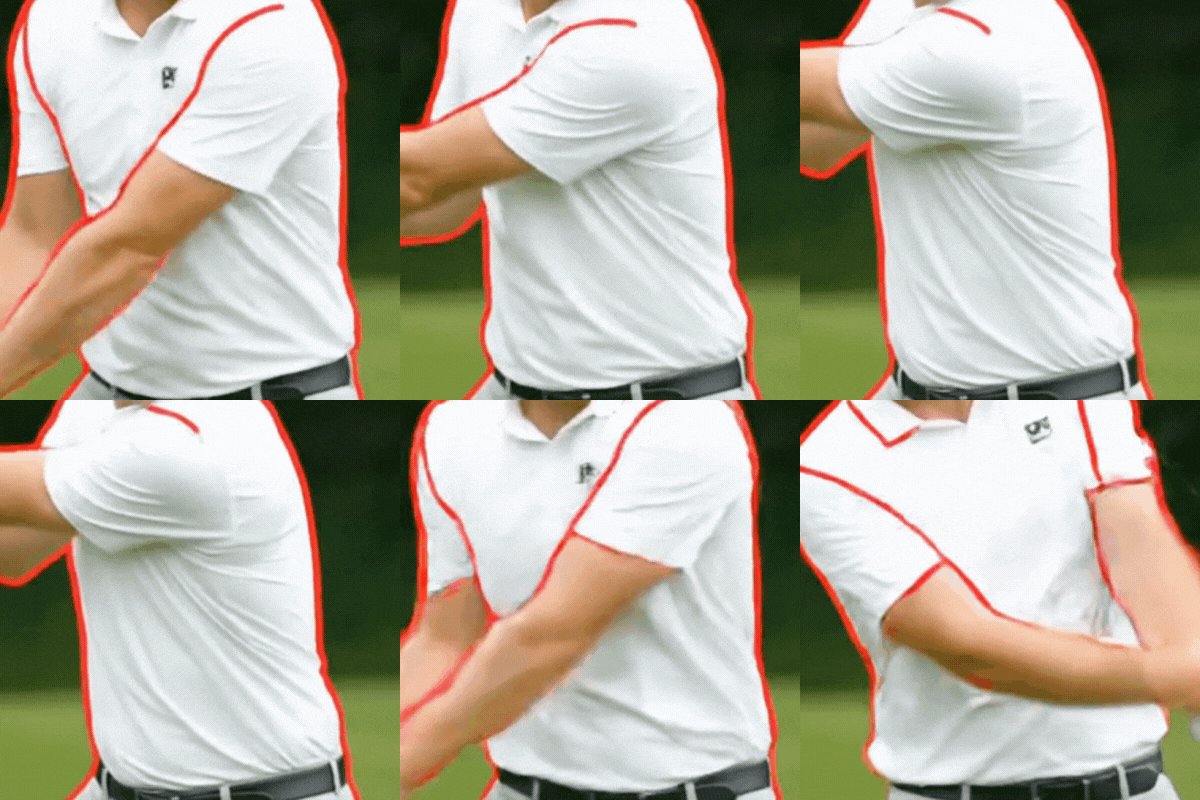
Stretch Your Golf Swing: How Separation Creates Power
The most explosive athletes know how to create and release tension. Learn how the contrast between body moving forward and arm staying back generates power.

Golf Swing Overcontrollers: Why Too Much Control Ruins Your Game
Every movement under constant mental surveillance? That's micromanaging your swing: and it rarely works. Here's how to train trust instead.

Present Golf: Why Presence Matters More Than Perfection
Great mechanics are important: but once the foundation is solid, performance becomes about being fully present. Here's the science behind it.
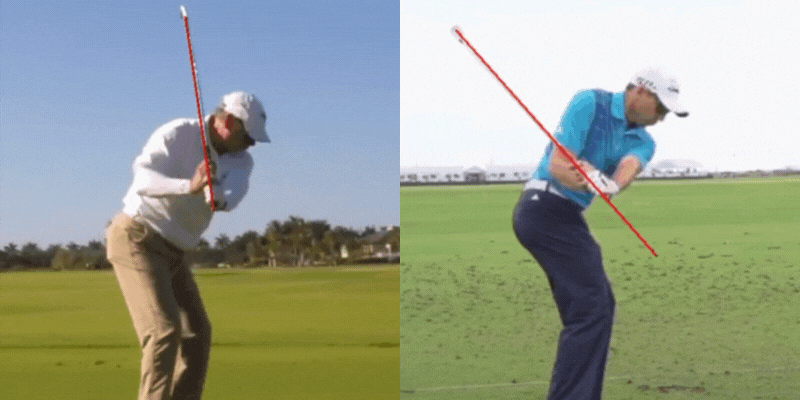
Shallow vs. Steep Swings: What Every Golfer Should Know
A steep swing leads to inconsistent contact. A shallow swing delivers more solid shots. Here's what's happening and how to change it.
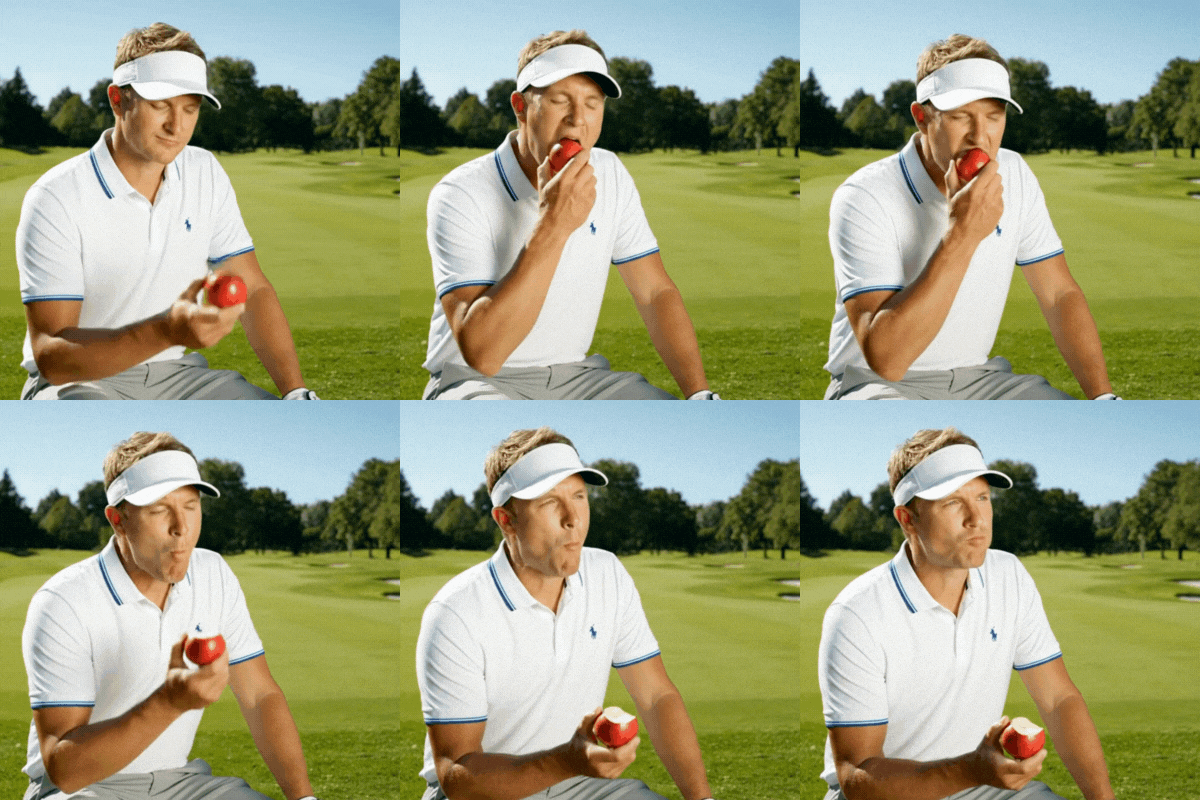
Precision Fuel: The Golfer's Guide to Mental Clarity and Consistent Play
What you eat: and when you eat it: can shape your mindset, sharpen your awareness, and sustain your performance. This is Precision Fuel.
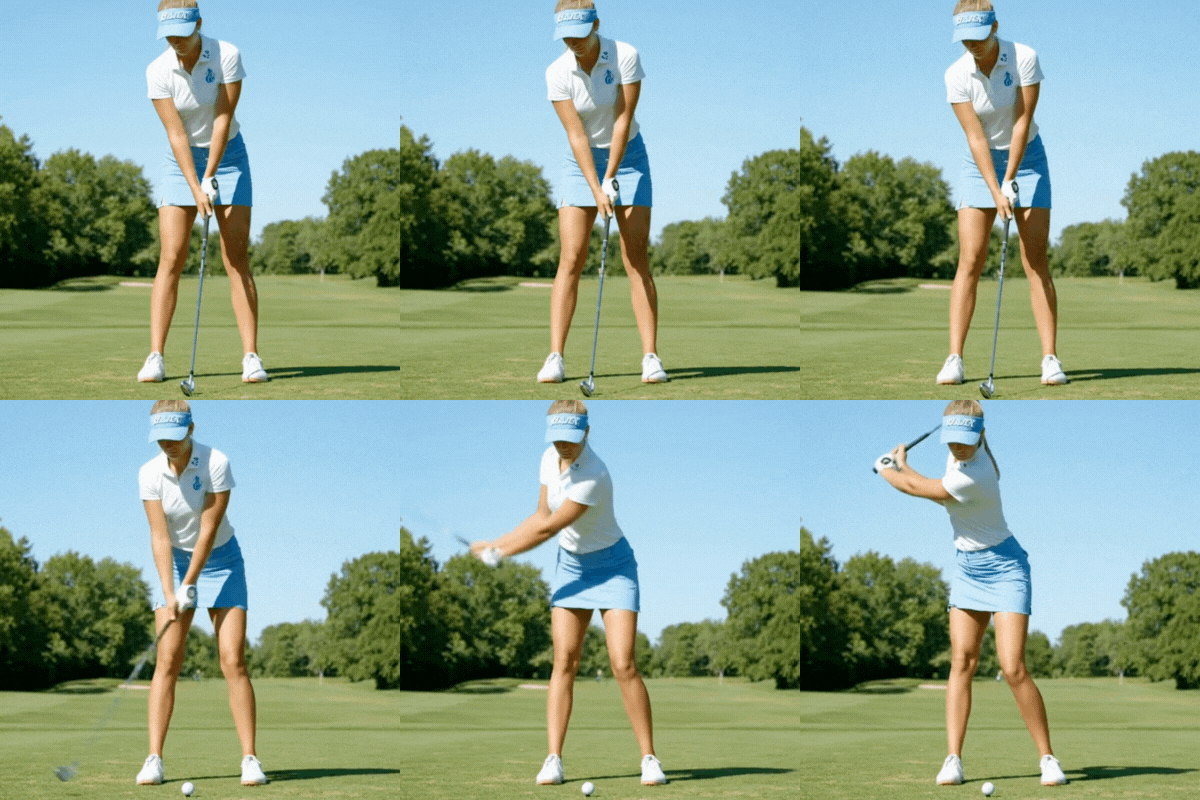
The Backswing Blueprint: Kinematics, Feel, and Flow
A powerful backswing isn't about checklist positions: it's dynamic, athletic, and deeply integrated with your body's natural sequencing.
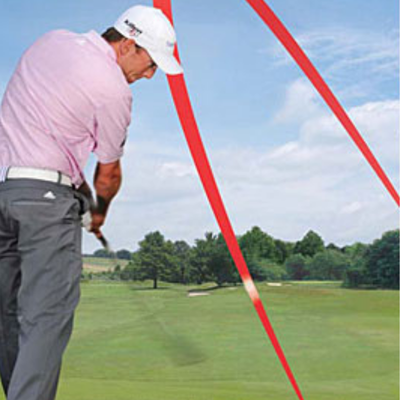
How to Fix Your Slice for Good
Fixing your slice isn't just about grip and clubface. It's about understanding your swing pattern, your body's movement habits, and retraining them with precision.
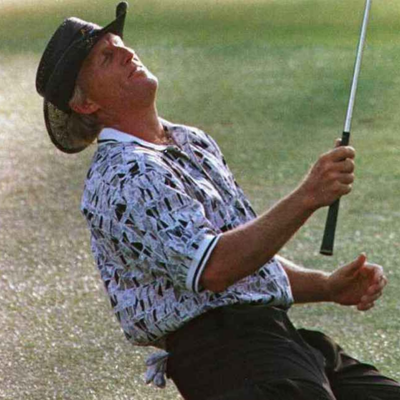
How Pain Can Save Your Golf Game
Pressure doesn't ruin performance. Overthinking does. Learn the neurobiology of presence and how sensation can pull you out of anxious thought loops.
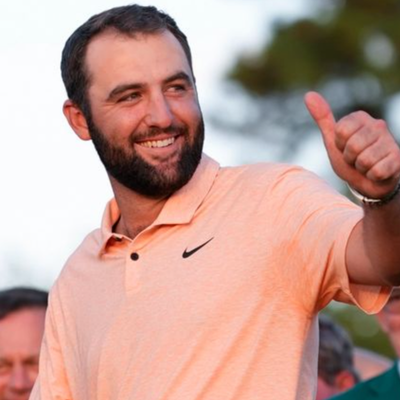
Scottie Scheffler's Winning Mindset: Identity Beyond the Scorecard
Scottie Scheffler plays with intensity but without fear: because his self-worth isn't riding on the next shot. Here's what every golfer can learn.

Course-Ready Swings: Adjusting for Slope and Lie Variability
No two lies are ever the same on the course. Here's how to optimize your swing for slopes and variable terrain using biomechanical precision.
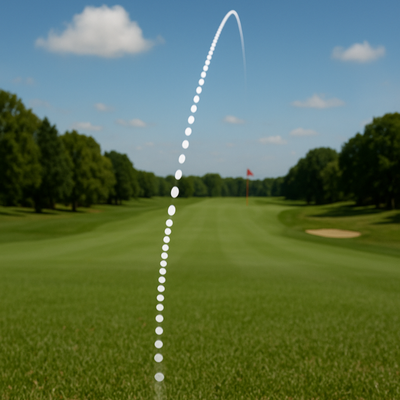
See It, Feel It, Create It: The Mental Blueprint Behind Every Great Golf Shot
Before the club moves, the best golfers see the shot vividly, feel the motion, then execute. This isn't fluff: it's neuroscience.
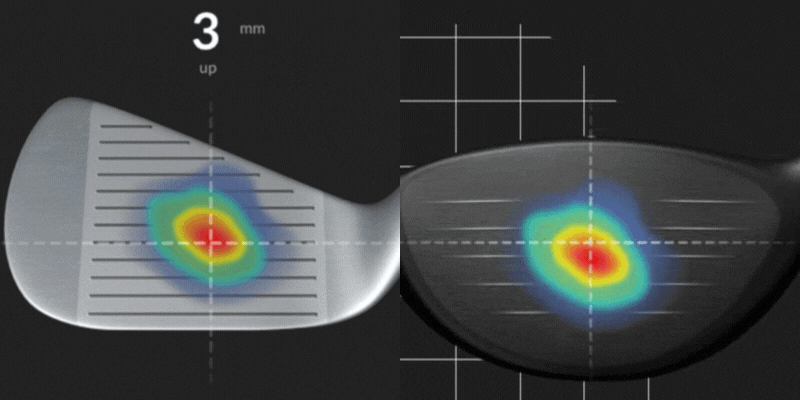
Mastering Clubface Impact: The Key to Consistent Golf Shots
Where the ball impacts the clubface determines spin, launch, and direction. Here's how each impact zone affects your ball flight.
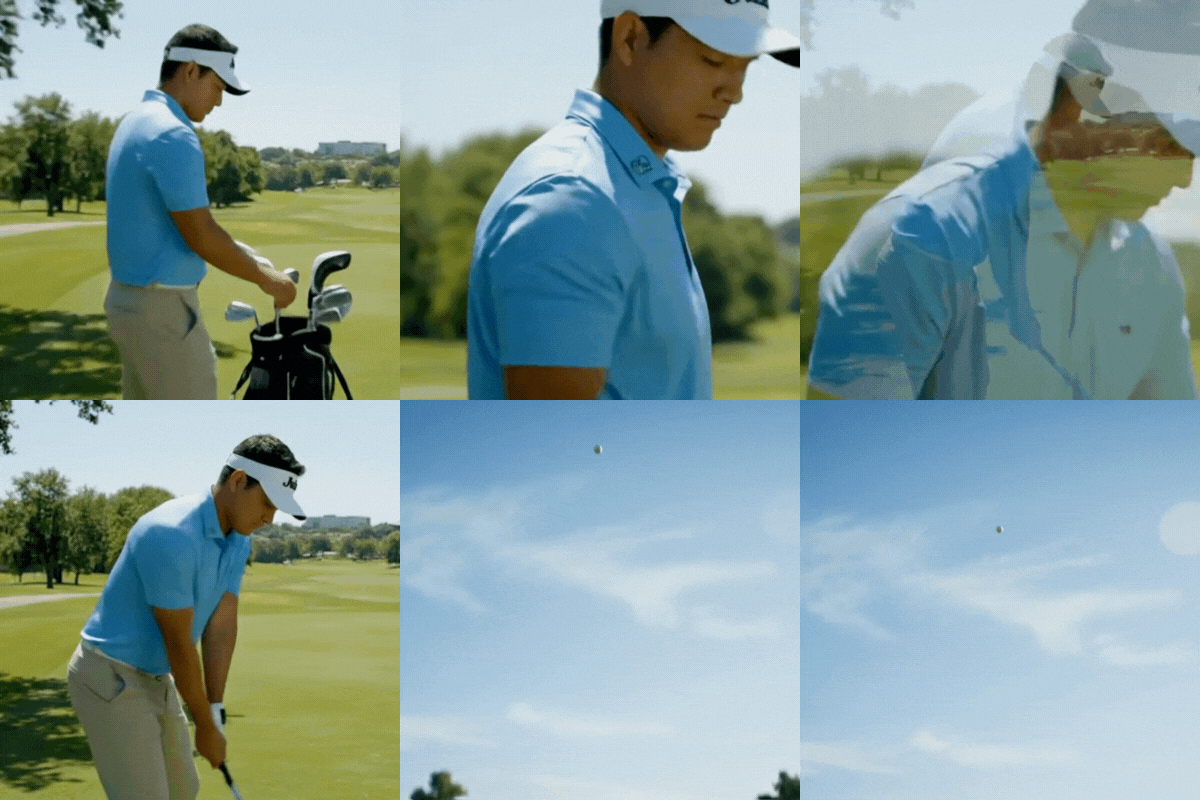
Consistency vs Adaptability: The Truth About Better Golf
Chasing consistency as your primary goal might hold you back. What you really need is adaptability: the ability to adjust in real-time.
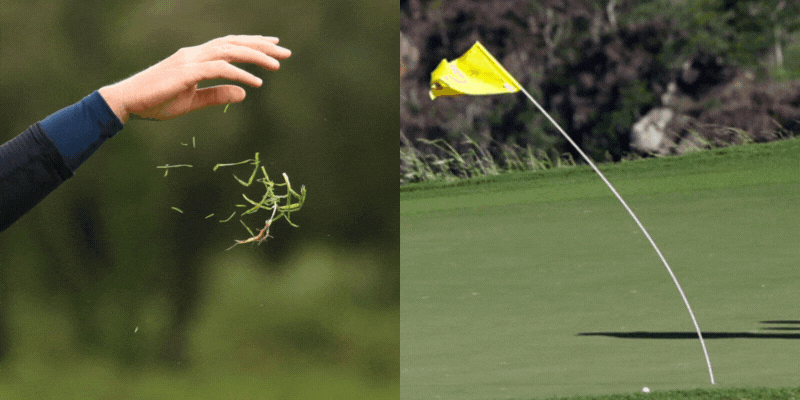
Biomechanics of Low-Flight Golf Shots: Mastering Wind Play
Headwinds hurt almost twice as much as tailwinds help. Learn to flight the ball lower with proper biomechanics and setup adjustments.
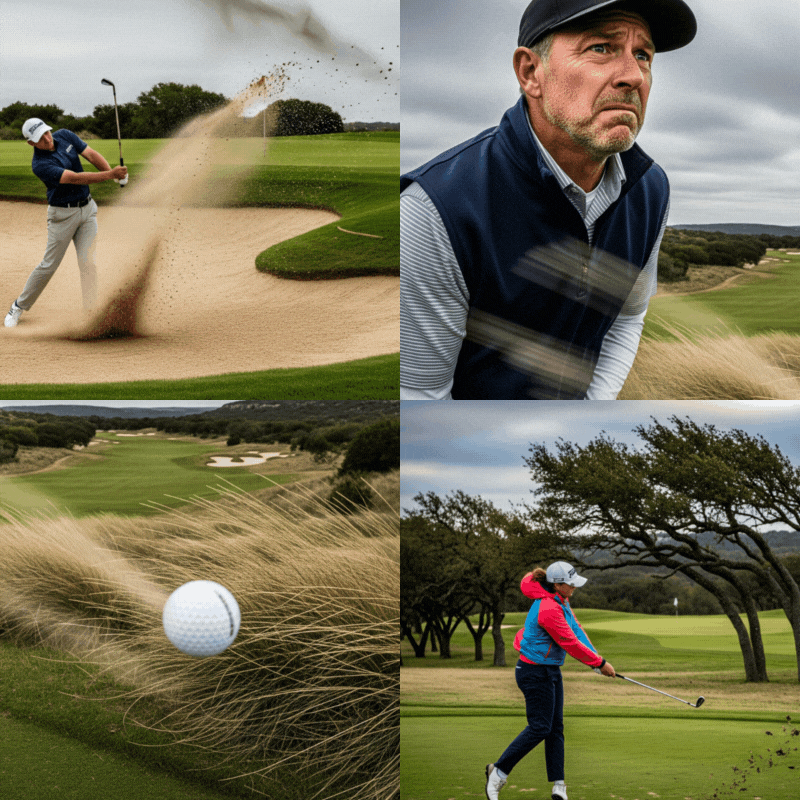
Mastering the Texas Wind: Low-Flight Strategies for Austin Golfers
If you can't flight it down, you're going to fight the wind. Here's how Austin golfers can master low-flight shots with proper technique.
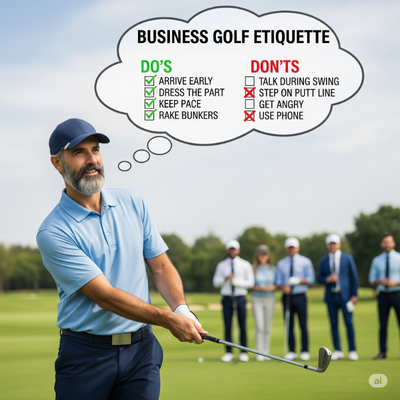
Business Golf Etiquette: A Complete Guide for New Players
Golf has a culture: and understanding it is essential for making a good impression. Here's your complete guide to business golf etiquette.

Golf: The Brain-Balanced Sport
Golf is one of the rare pursuits that demands harmony between left-brain logic and right-brain feel. When you lean into this duality, golf becomes self-integration.
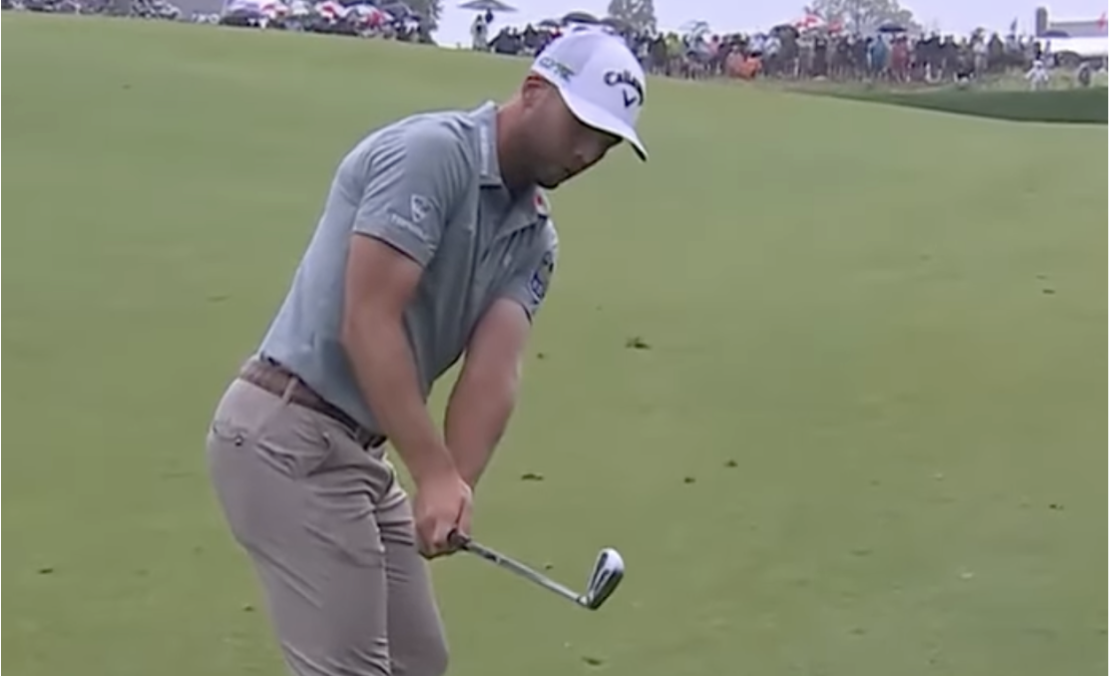
Sam Burns' Pre-Shot Move: How a Simple Rehearsal Stabilized His Swing
At the 2025 U.S. Open, Sam Burns used a small but powerful pre-shot rehearsal to keep his swing path in check. Here's why it worked.

Why Fixing Your Golf Swing Is Like Shipping Code
One swing flaw connects to another: just like legacy code. The solution? Sprint cycles: focused, testable chunks that layer improvement over time.

Why Every CEO Needs a Pre-Shot Routine
The pre-shot routine used by elite golfers is a performance tool rooted in neuroscience. Here's how business leaders can use the same technique.
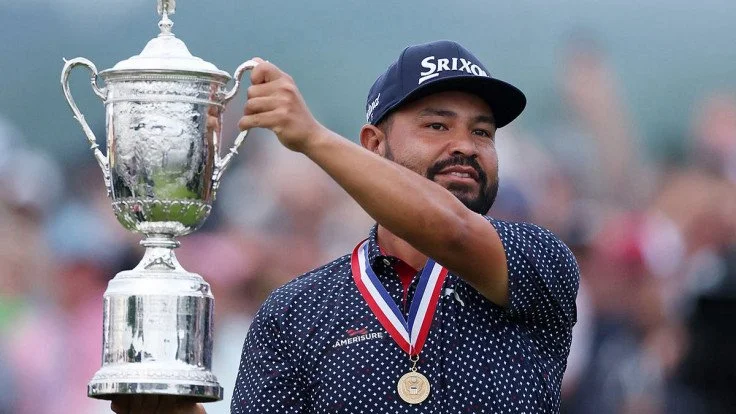
J.J. Spaun's Mental Resilience: Performance Under Pressure at the U.S. Open
After five bogeys in six holes, J.J. Spaun didn't fade: he delivered one of the most composed back-nine performances. Here's how.
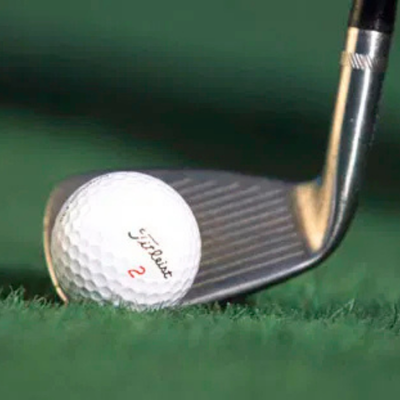
Chipping Into the Grain: How Toe-Down Technique Saves Your Short Game
That sticky into-the-grain lie grabs your clubhead and leads to chunked chips. The toe-down fix reduces friction and lets the club glide through.

Eat to Compete: How Tour Players Fuel for Mental and Emotional Stability
Golf is four to five hours of continuous decision-making. What you eat before and during a round directly impacts mental clarity and emotional control.
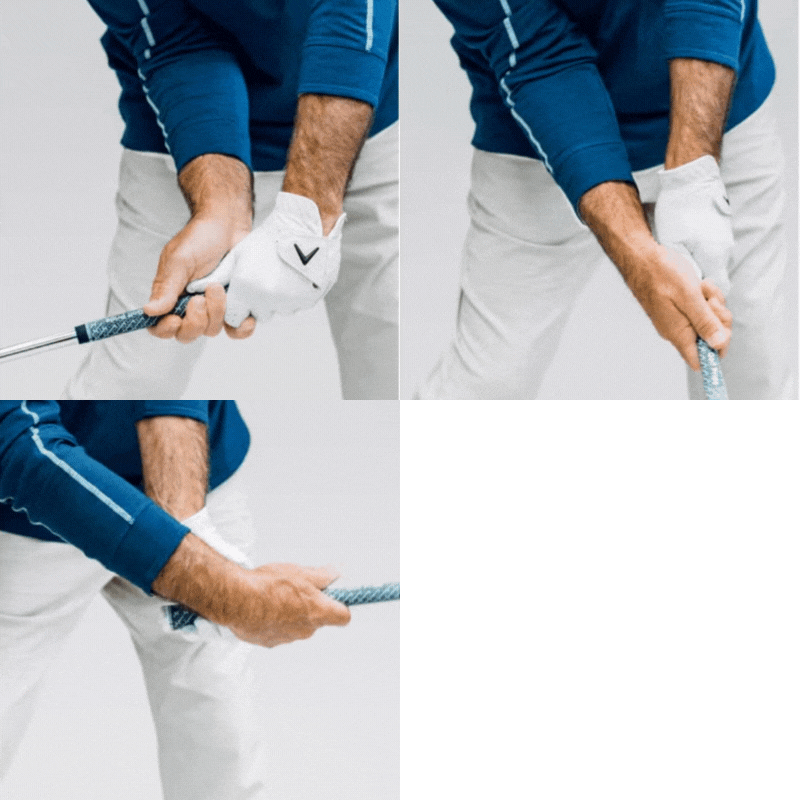
The Many Causes of Flipping: and How to Fix the Root
Flipping leads to thin shots, fat shots, and loss of control. But it's not always a wrist problem: most flipping is a whole-body sequencing issue.

The Truth About Golf Club Speed: Hip Torque, Sequencing, and Power
Distance doesn't begin with the arms. It begins with the ground. The hips are the engine room of every powerful swing.
Training for Golf Performance in Austin's Summer Heat
High temperatures alter hydration, disrupt neuromuscular coordination, and degrade decision-making. Your training has to include heat-specific strategies.
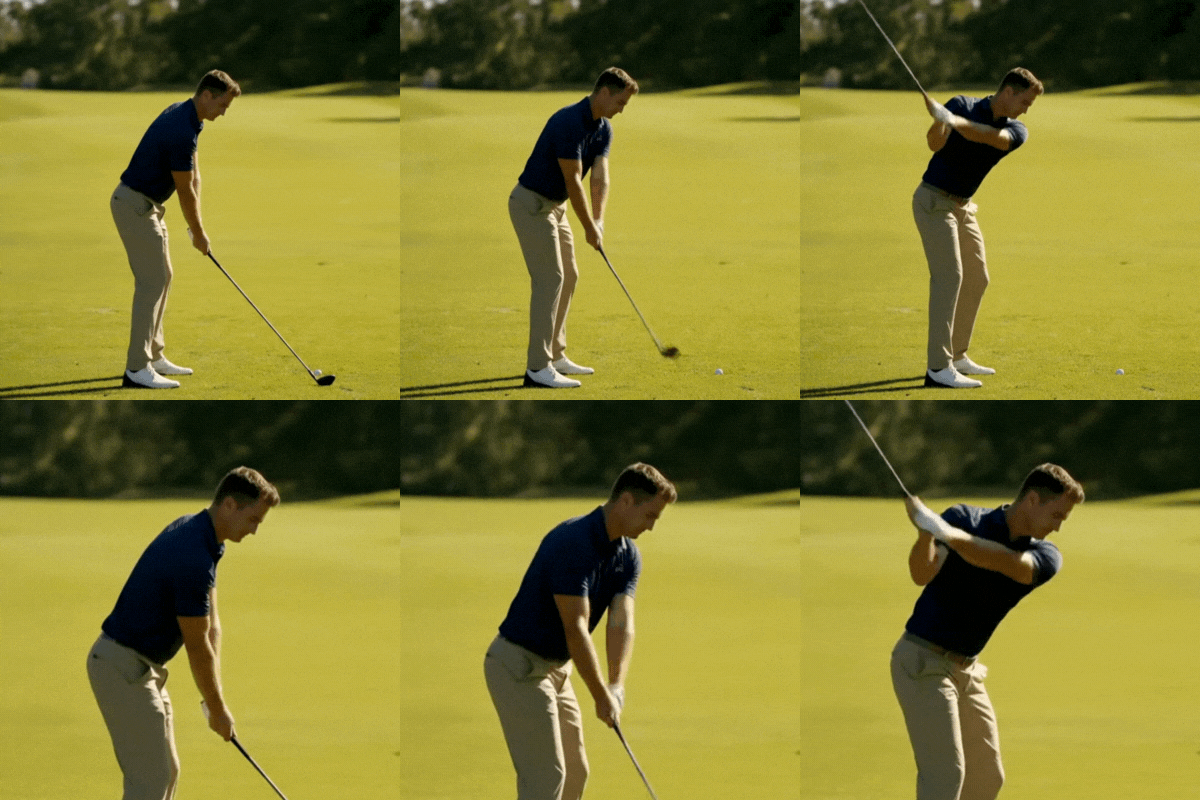
Swing Changes That Only Work When They Feel Wrong
If it feels different and awkward, it's probably working. If it feels the same, you haven't changed anything.

Practice with a Purpose: Building Pressure Training Into Range Sessions
Pressure changes how we move. If you want your performance to hold up, your training has to recreate the environment you'll face on the course.
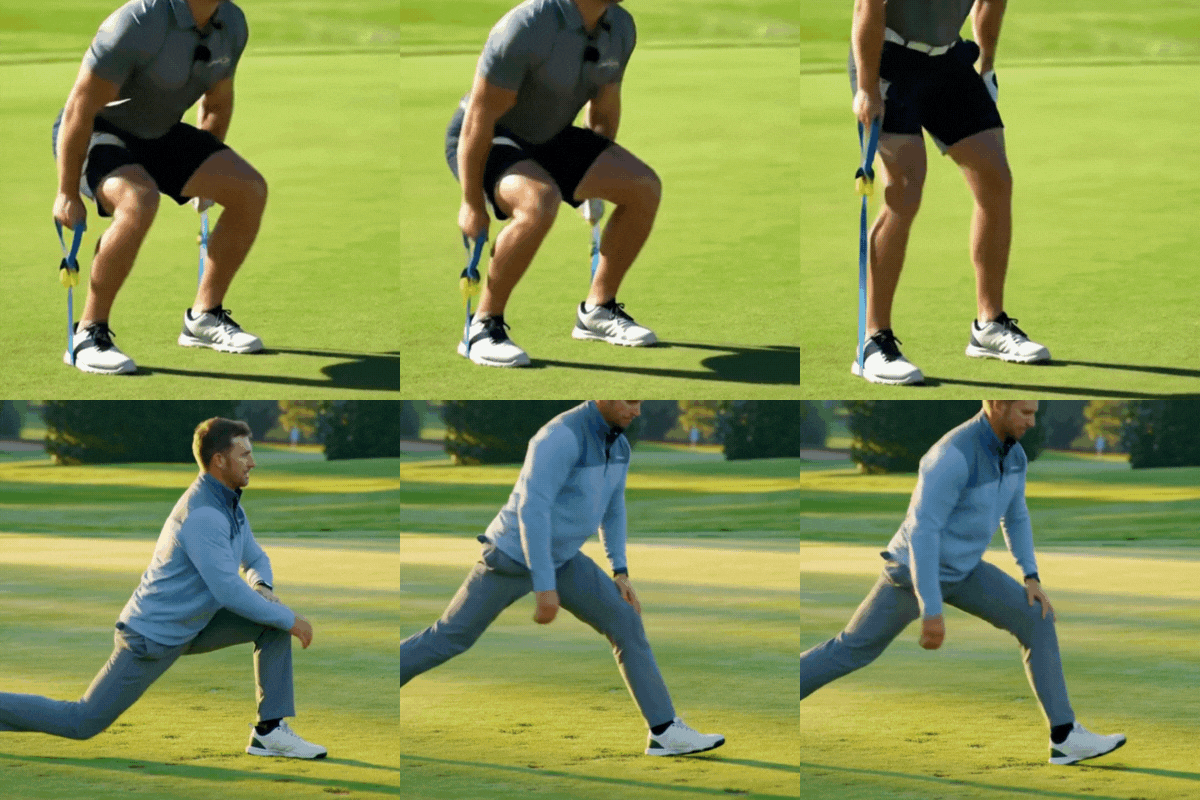
20-Minute Daily Golf Glute & Hip Training Plan
Strong glutes stabilize the pelvis during the swing and prevent swaying. This 20-minute daily program builds glute strength and hip rotation using bodyweight and bands.
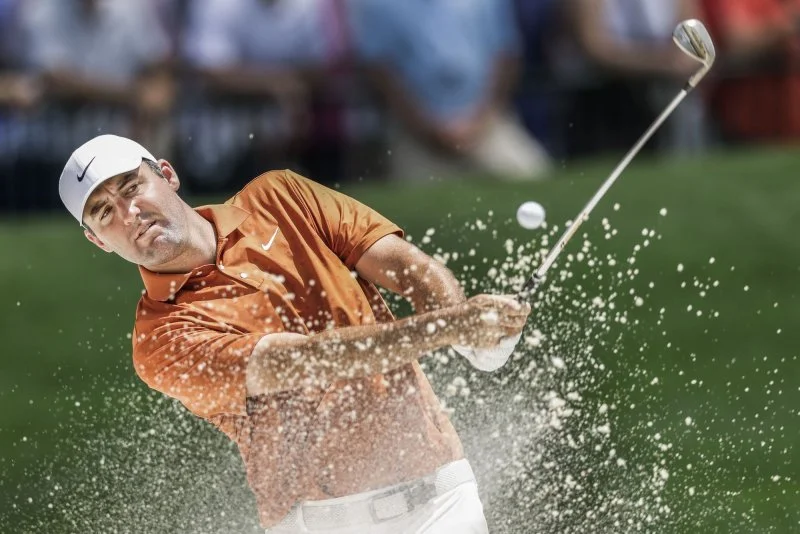
What Scottie Scheffler Can Teach You About Presence
Scheffler didn't speed up or tighten at the 2025 PGA Championship. He stayed present. One shot at a time. Here's what every golfer can learn.

Posture and Alignment: Keys to a Consistent Golf Swing
The foundation of consistency is rooted in posture and alignment. These might seem basic, yet countless golfers overlook their profound impact.

Mastering the Art of Putting: A Crucial Step to Lower Scores
Putting can turn a good round into a great one by converting opportunities into birdies or saving pars under pressure.

Practicing Golf vs Playing Golf: Stop Thinking About Your Swing on the Course
You don't fix your car while you're driving it. The range is for building mechanics. The course is for making shots.
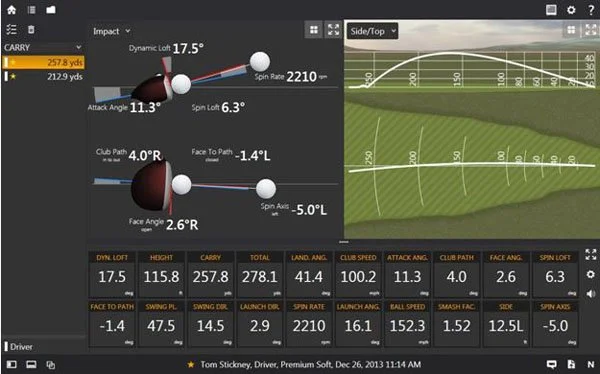
What Launch Monitor Numbers Actually Tell You About Your Golf Swing
Those numbers on the launch monitor aren't random. They're the physical results of what your body just did. Here's how to read them.
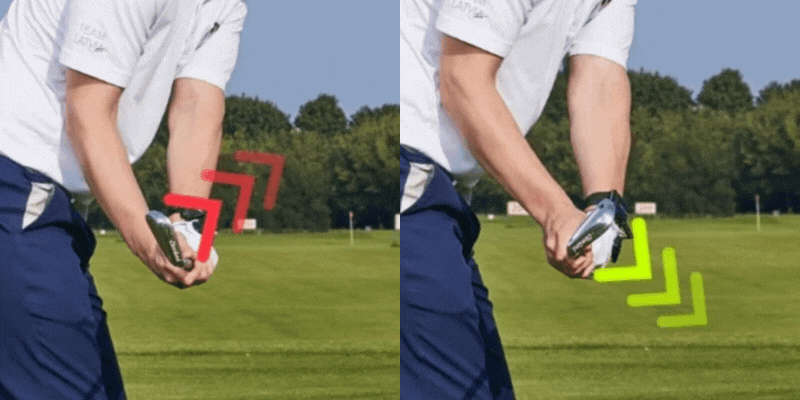
With Clubface Rotation, Less Is More
The clubface can rotate up to 3,600 degrees per second before impact. Less rotation means less timing needed and more repeatable ball flights.
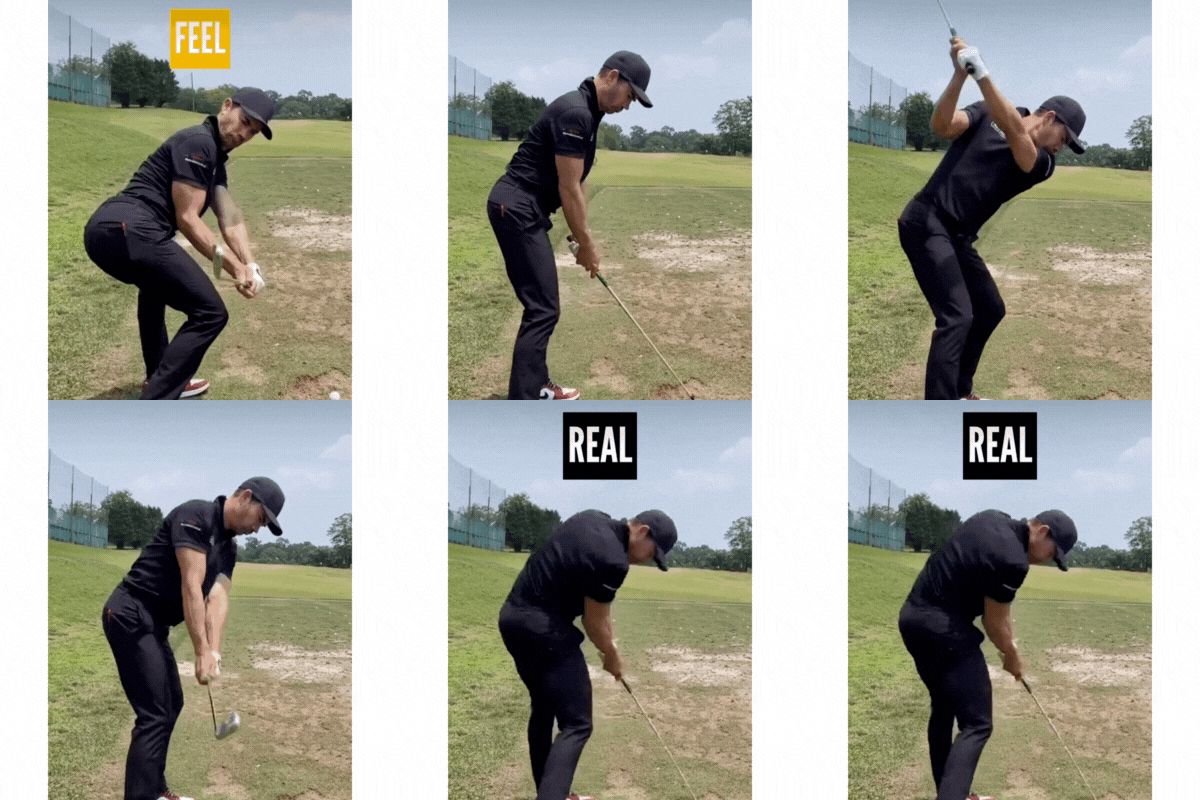
How Proprioception Training Transforms Your Golf Swing
The feeling during the swing doesn't match what actually happens. Here's the neuroscience behind why: and how to close the gap.
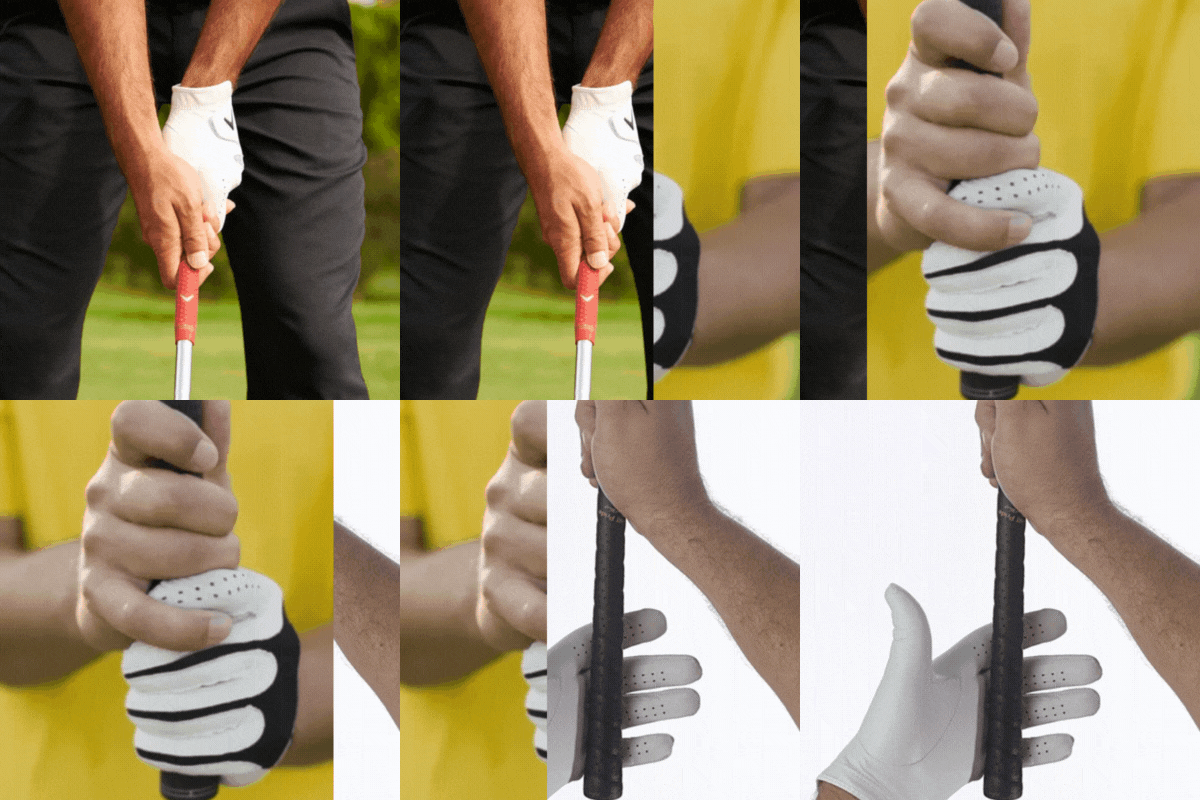
The Grip: Your Foundation for a Better Golf Swing
Your grip is the foundation upon which every golf swing is built. Mastering it should always be your first priority.
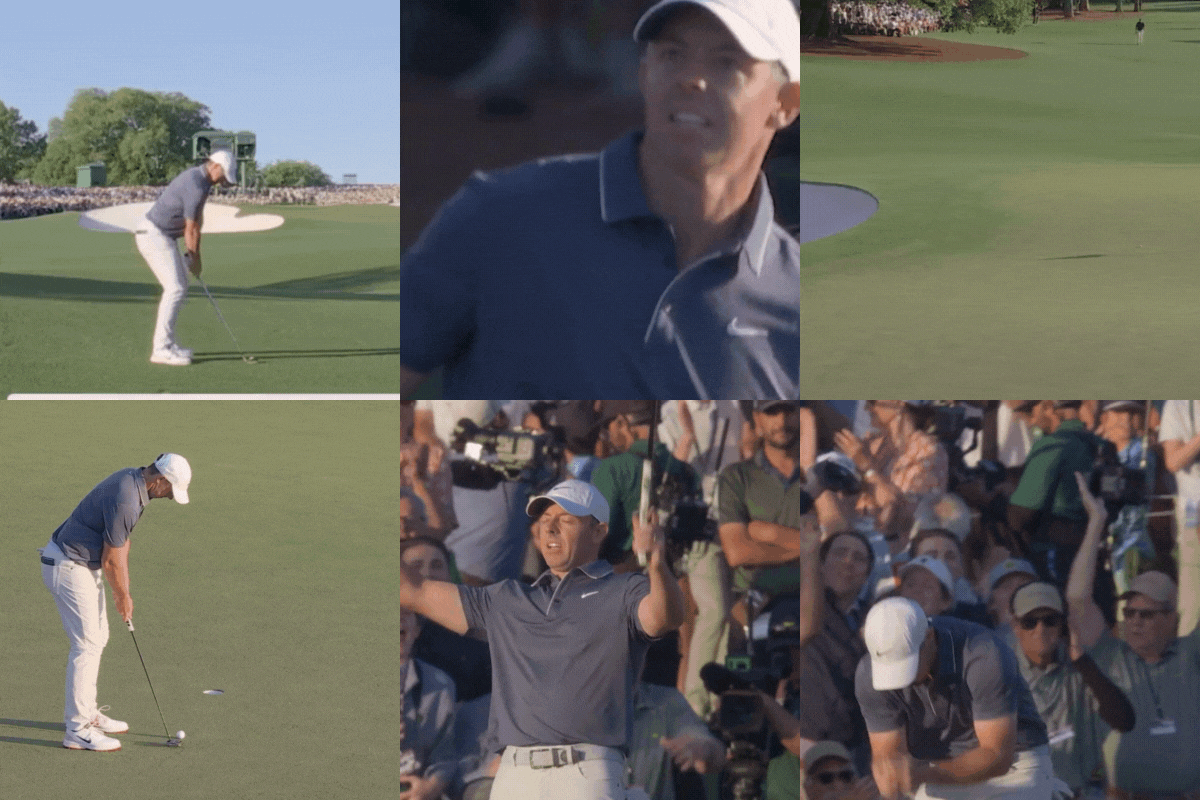
Golf Under Pressure: How Breath and Nerves Decide Champions
On the final day of the 2025 Masters, Rory McIlroy gave the world a crash course in human physiology and sports psychology.
Mastering Your Chip Shots: The Key to Precision and Control
Mastering your ball position is crucial for precise chip shots. Small adjustments can have a big impact on your strike quality.

Awareness. Strategy. Execution.
Whether in golf or business, success comes down to three steps: awareness, strategy, and execution.
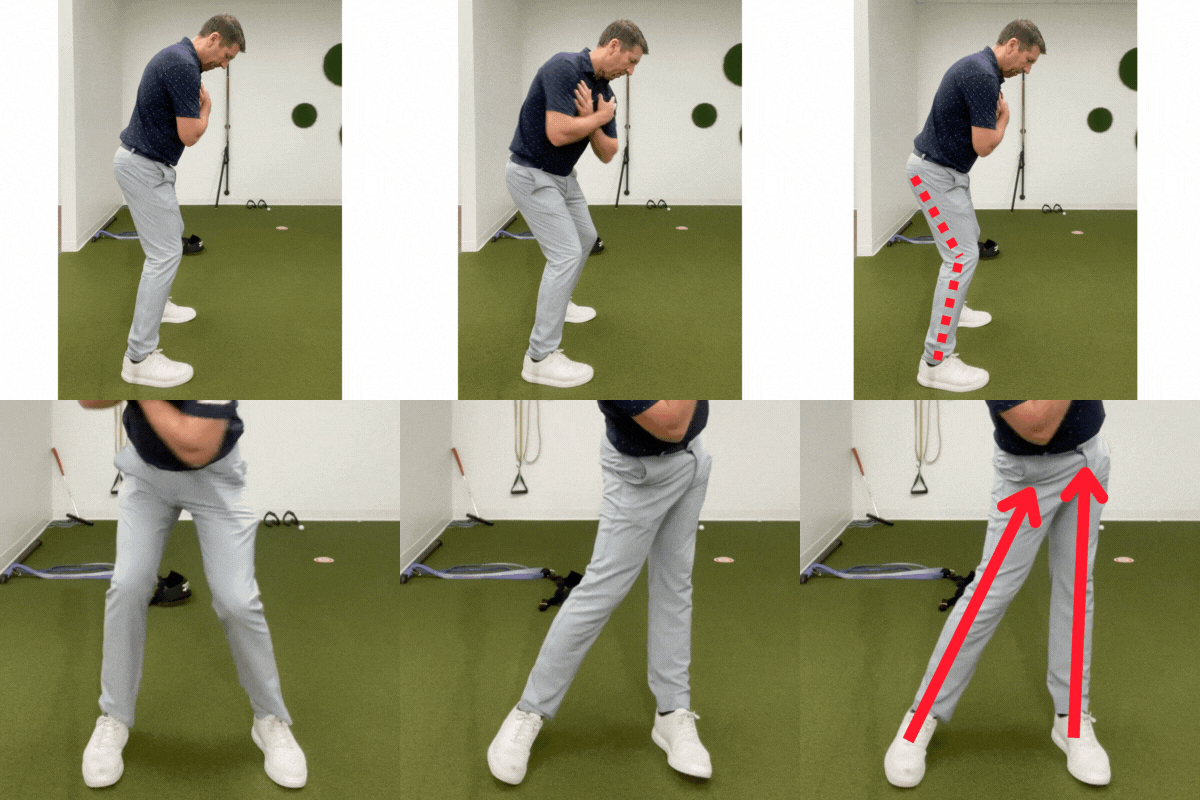
Lower Body Golf Drill: Master Your Foundation
Your lower body acts as the foundation of an effective swing. Master this element for better performance and more accurate shots.

Scottie Scheffler's Post Shot Routine: Lessons from the Masters
What sets Scheffler apart is his calm control: both mentally and physically. His post-shot routine is something every golfer can learn from.
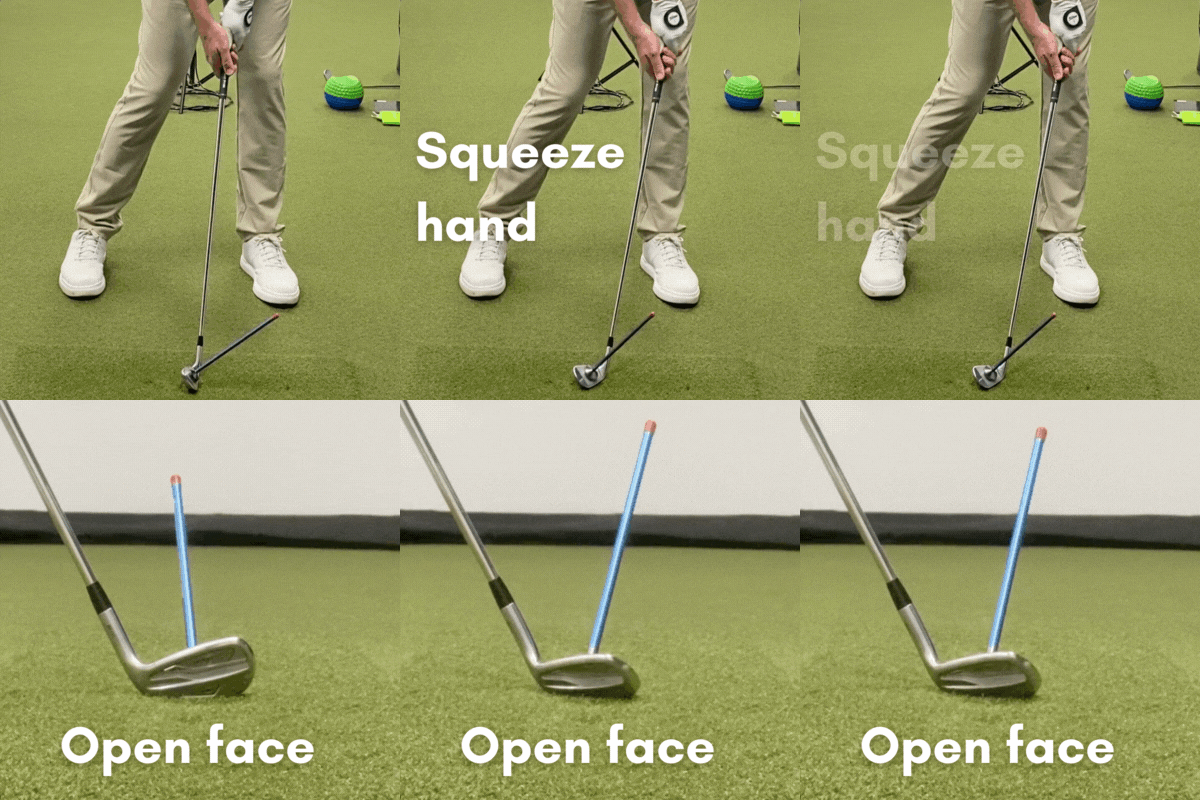
Tight Hands, Open Clubface: How Grip Pressure Causes Slices
When you tighten your left-hand grip through impact, you unintentionally open your clubface, leading to slices.
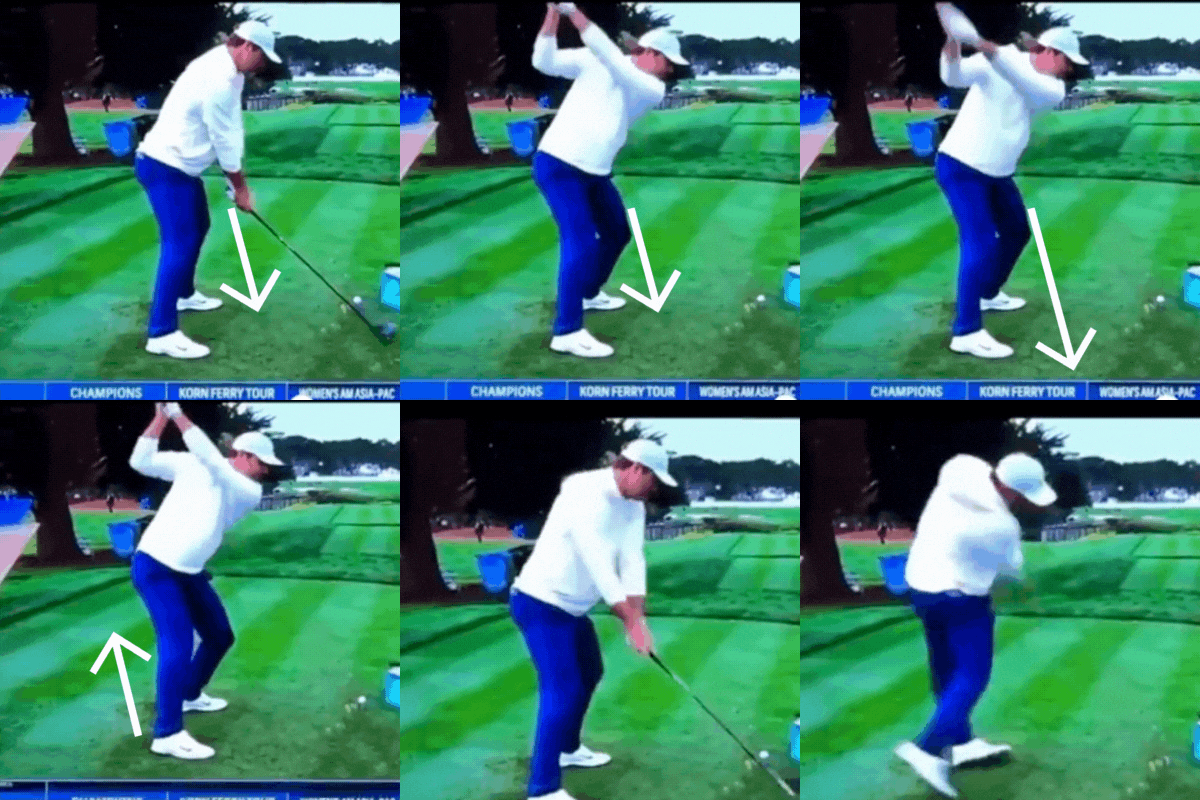
Move Your Body Like Scottie Scheffler
While many focus on Scheffler's footwork, there's another layer: his subtle yet effective weight shift that generates power and consistency.
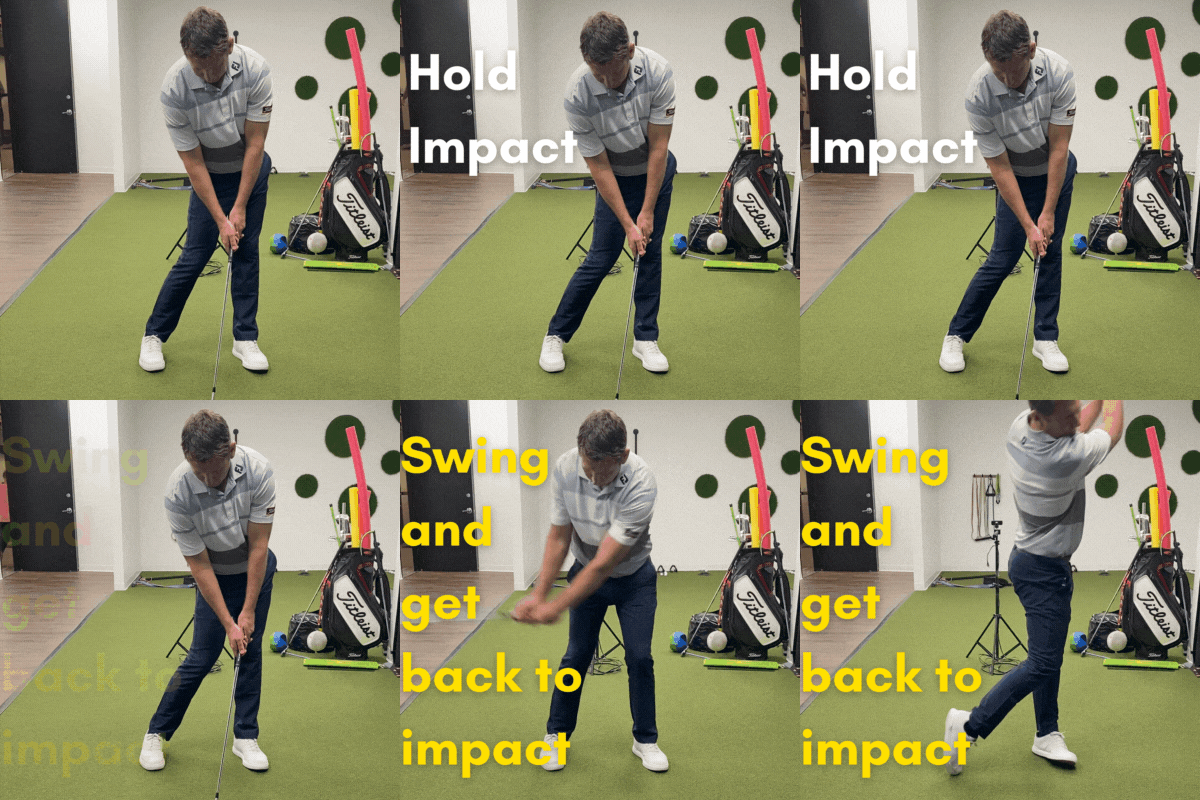
Setup for Impact: A Simple Drill for Better Golf Shots
Getting yourself in an impact position where your club and body increase the likelihood of good shots is crucial. Here's a simple drill.
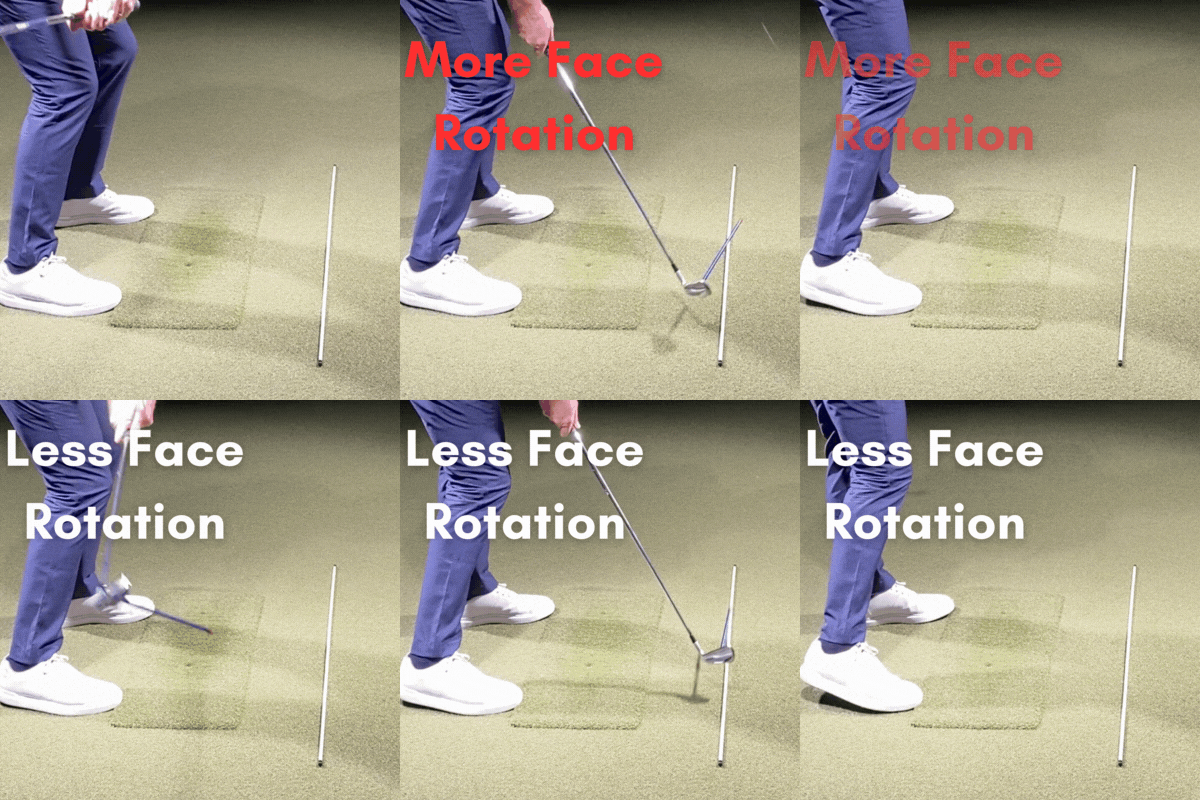
Control that Clubface for Better Golf Shots
Three factors influence shot direction: strike location, swing path, and clubface direction. Controlling the clubface is paramount.
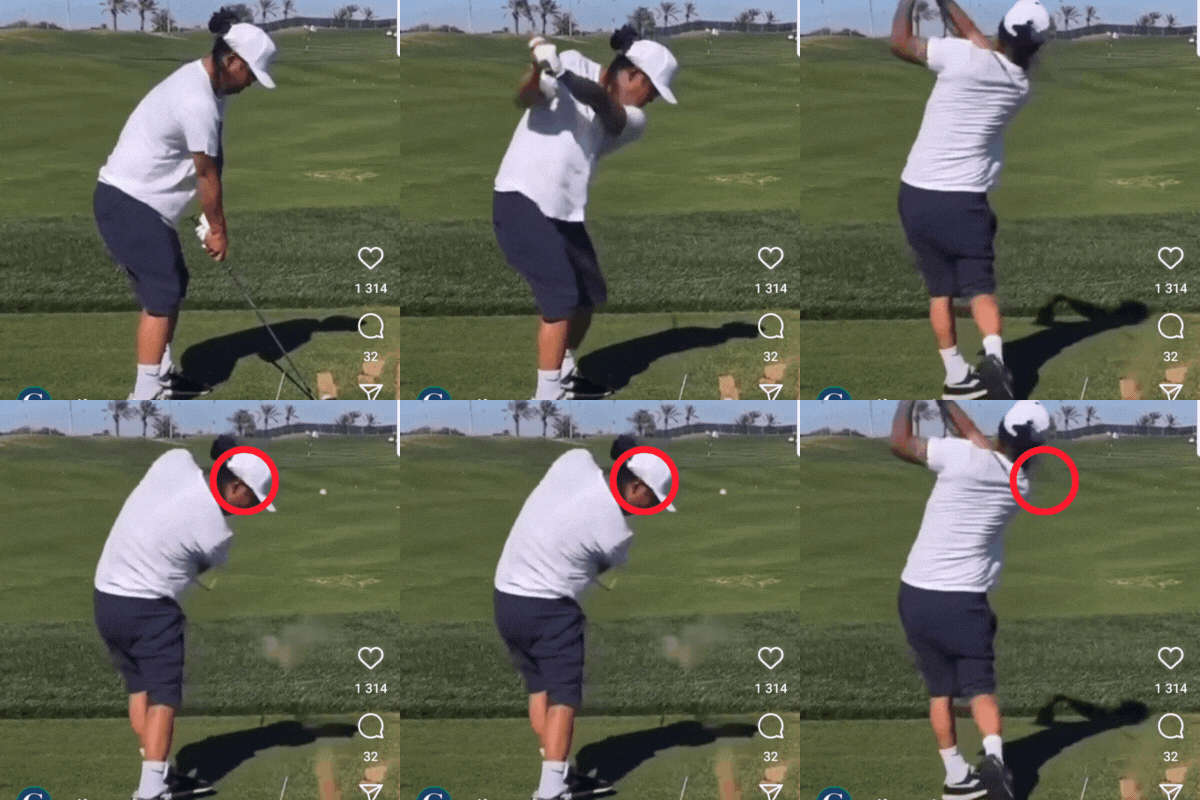
Anthony Kim's Comeback: Key Swing Insights
Anthony Kim's return is full of promise. One standout feature: how he keeps his head quiet on the downswing and through impact.
Maximizing Your Practice Time: Range vs Course
When time is limited, head to the driving range. You can hit 100 balls in one hour versus roughly 35 full shots over a 4.5-hour round.
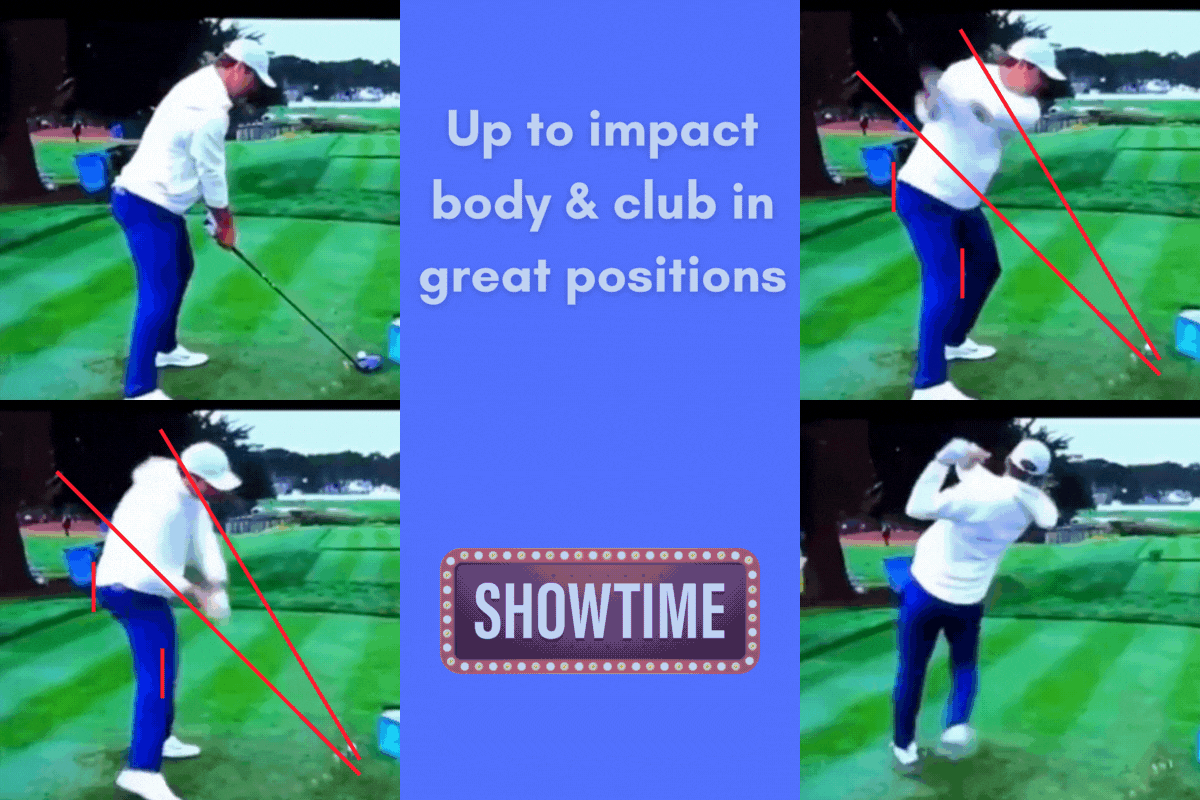
Scottie Scheffler's Swing Moves: Why His Unique Swing Works
Many wonder how someone with such a unique swing can be world #1. The peculiar movements happen after impact: up to the ball, Scheffler is textbook.

Smarter Targets, Lower Scores: Course Management Tips
Your golf shots aren't like a rifle: they're like a shotgun's spread. Even PGA Tour players have a 7% miss rate. Smarter targets lead to lower scores.
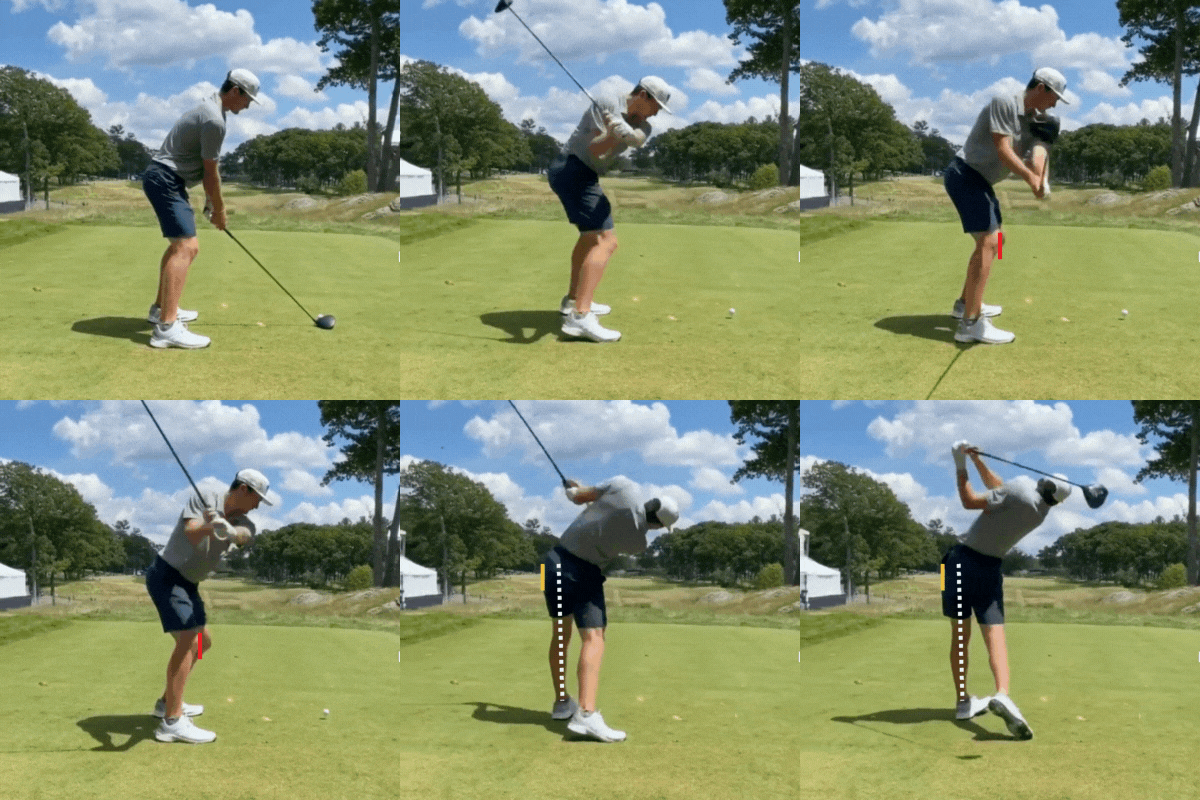
Nick Dunlap's Two Key Moves: Lower Body Mastery
Nick Dunlap became the first amateur since Phil Mickelson in 1991 to win on the PGA Tour. Two lower body moves were key to his success.
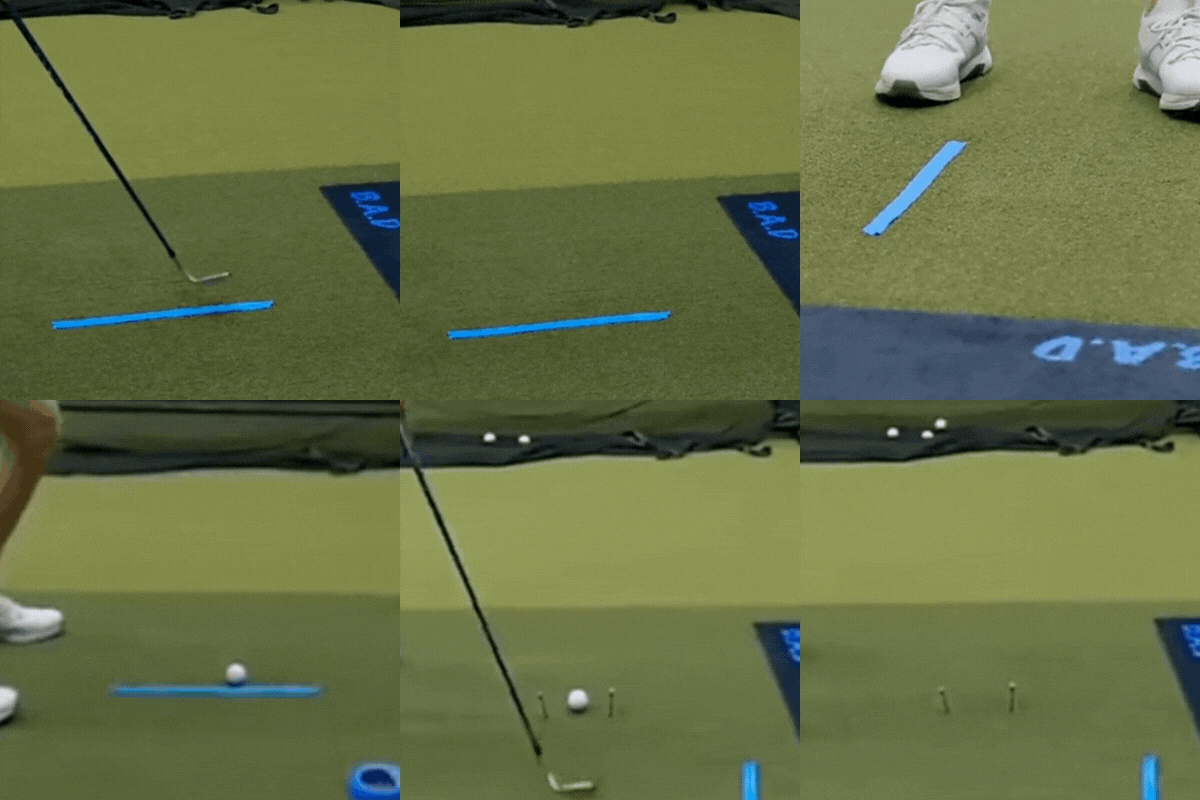
Improve Your Strike with These Simple Exercises
The most critical element in your club-ball interaction is strike quality. Here are two simple drills to sharpen your precision.

Master Your Pre-Round Mental Routine
Ask yourself these questions before you tee off to control your mental state, manage breathing, and enhance performance.
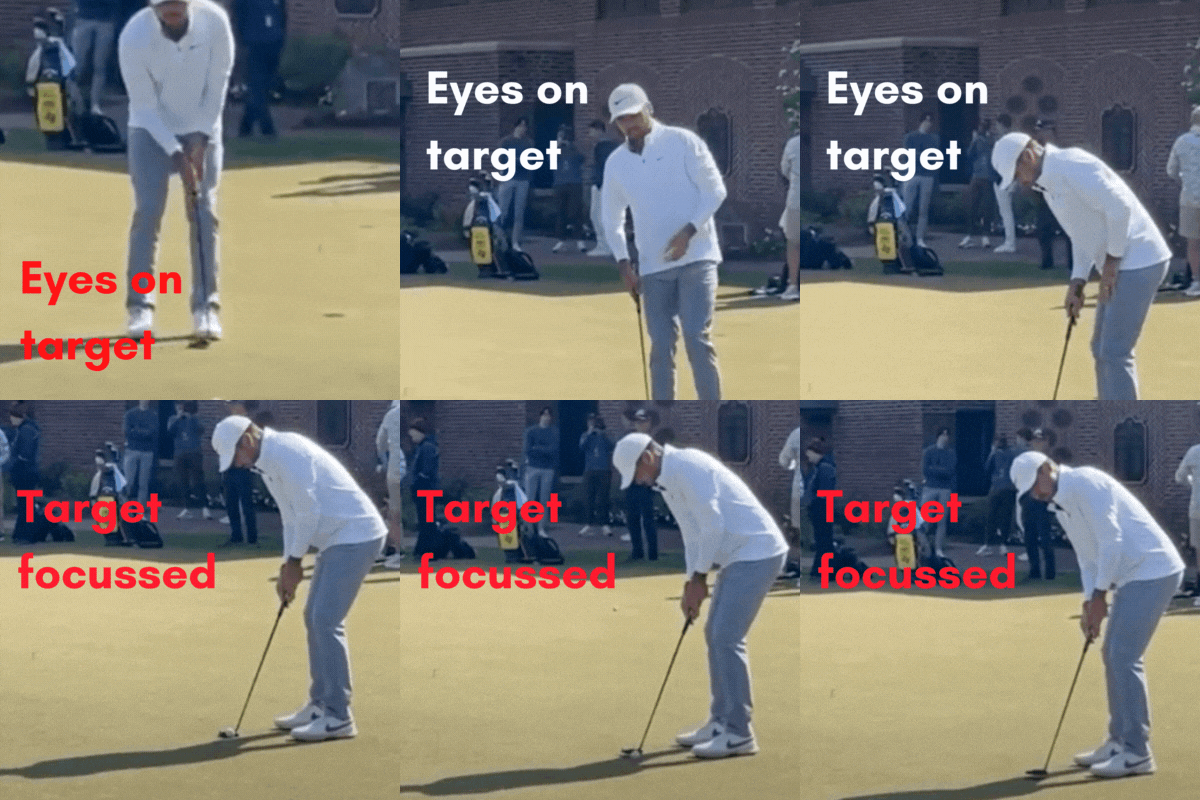
Target-Focused Putting: The Key to Distance Control
The key to mastering your putts is simple: focus on the target, not the stroke. This shift enhances speed control and overall accuracy.
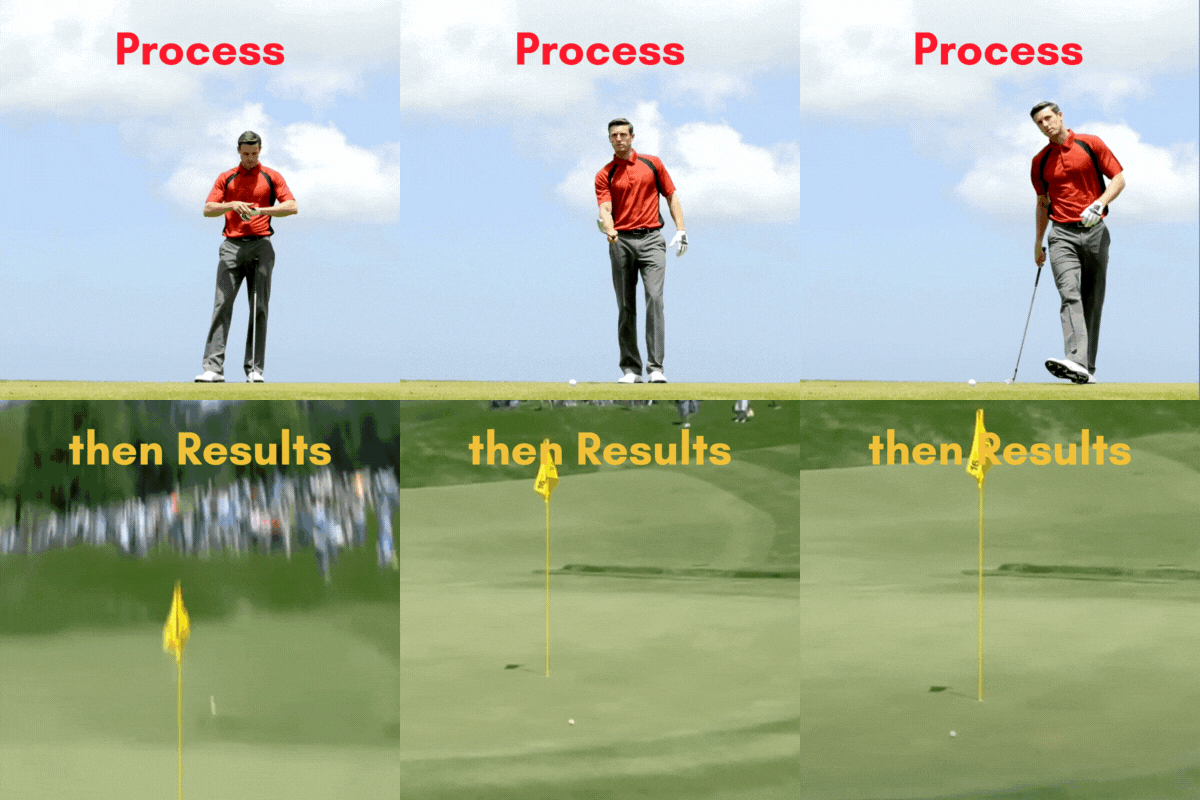
Reset Your Process: Focus on Process Over Outcomes
Results follow the process. Concentrate on refining each phase of your shot routine: gathering info, deciding, rehearsing, setting up, executing, and learning.
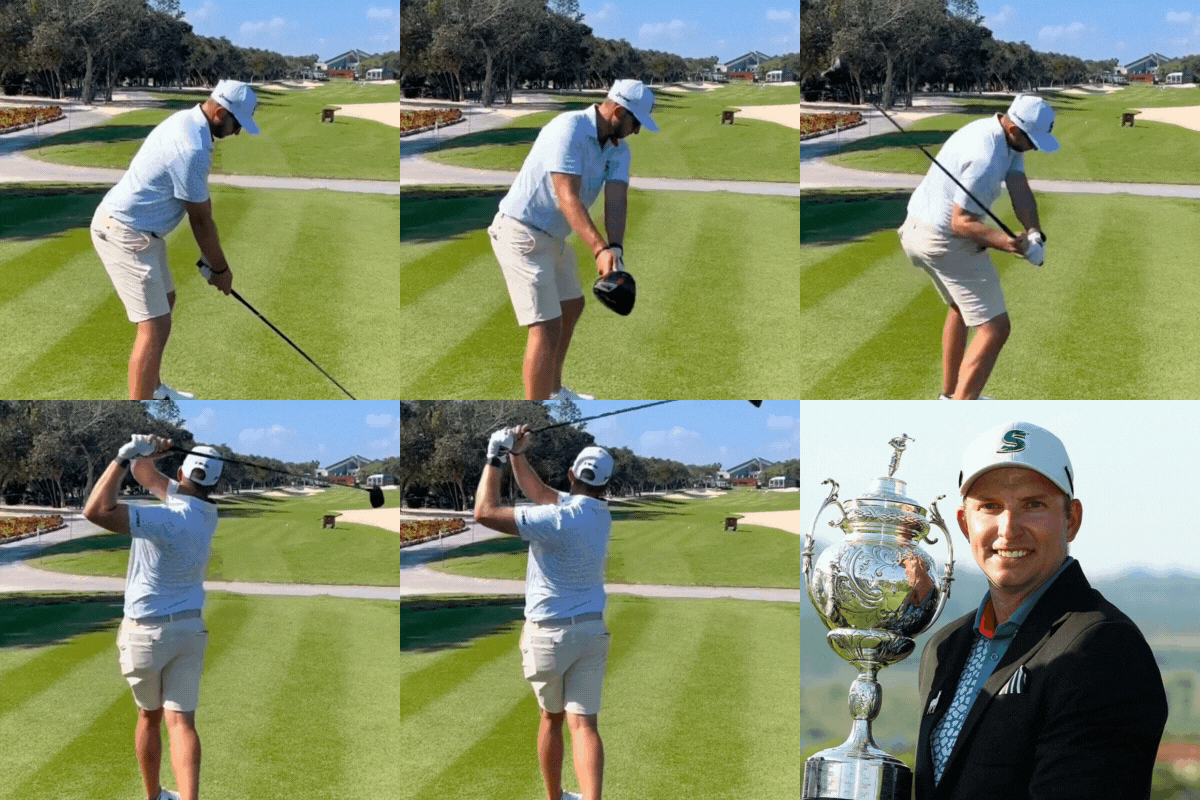
Adjust Expectations, Unlock Performance
Lowering expectations can paradoxically lead to better results. When Dean Burmester stopped burdening himself with high expectations, he won back-to-back.
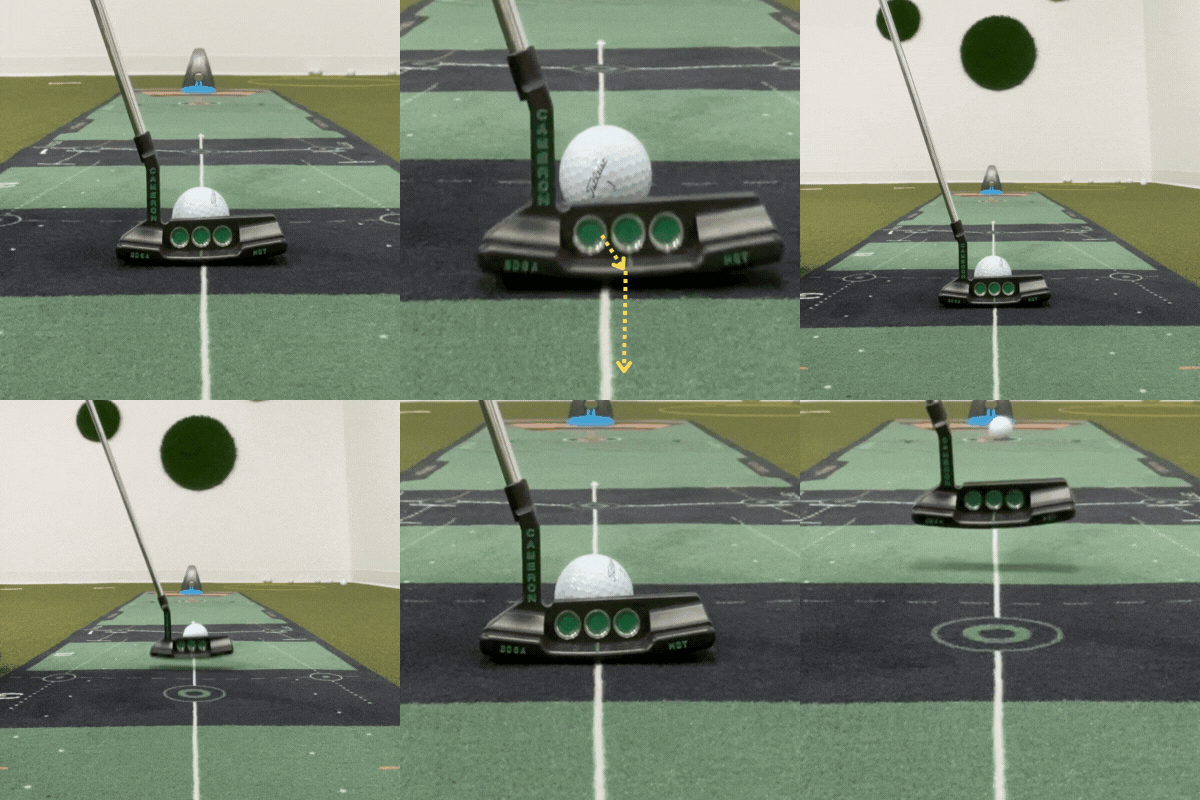
Hover Don't Rest: A Simple Putting Tip for Better Strokes
Many golfers rest their putter fully on the ground before stroking, creating an unnecessary lifting motion. Try hovering instead.
Feel vs Real: Why You Should Exaggerate Swing Changes
When golfers try to integrate a new swing move, they underestimate the extreme feel needed. Pros intentionally exaggerate new moves: and you should too.
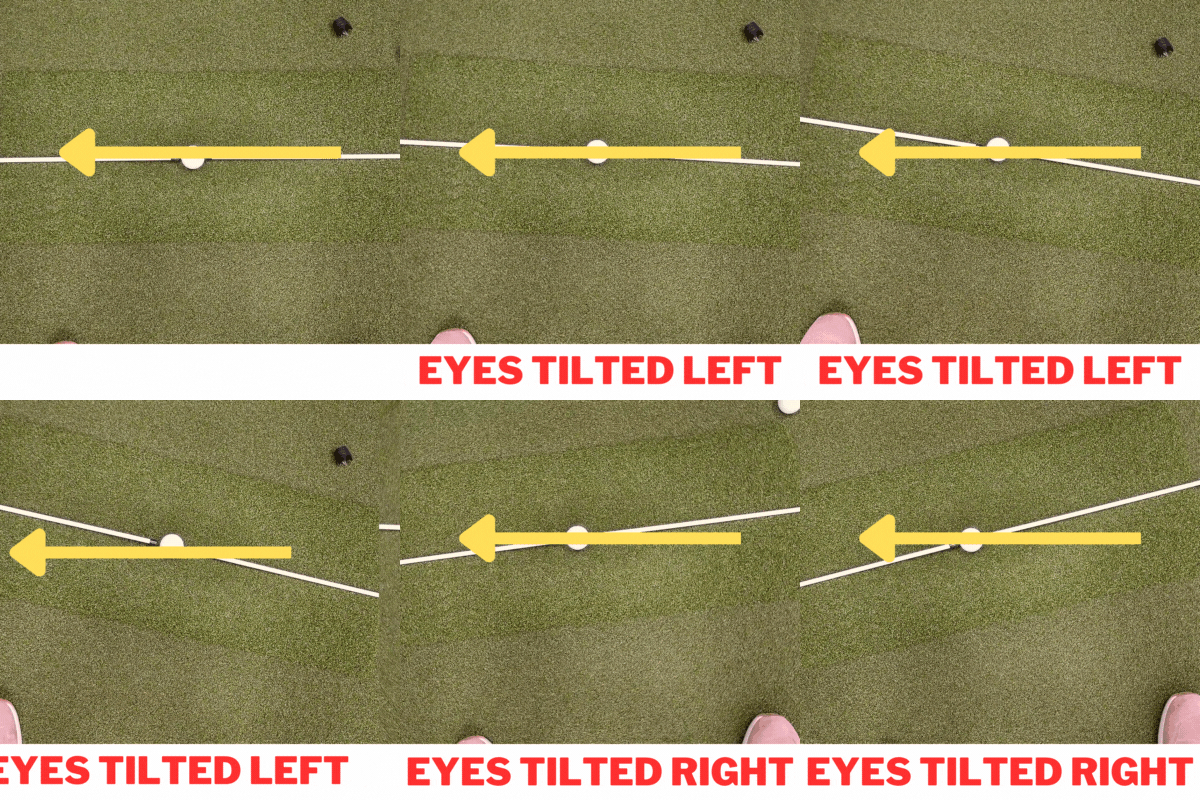
Eyes Left, Eyes Right: How Eye Alignment Affects Swing Path
If your eyes aren't parallel to the target line, your swing path follows. Align your eyes parallel to your target line for more accurate shots.
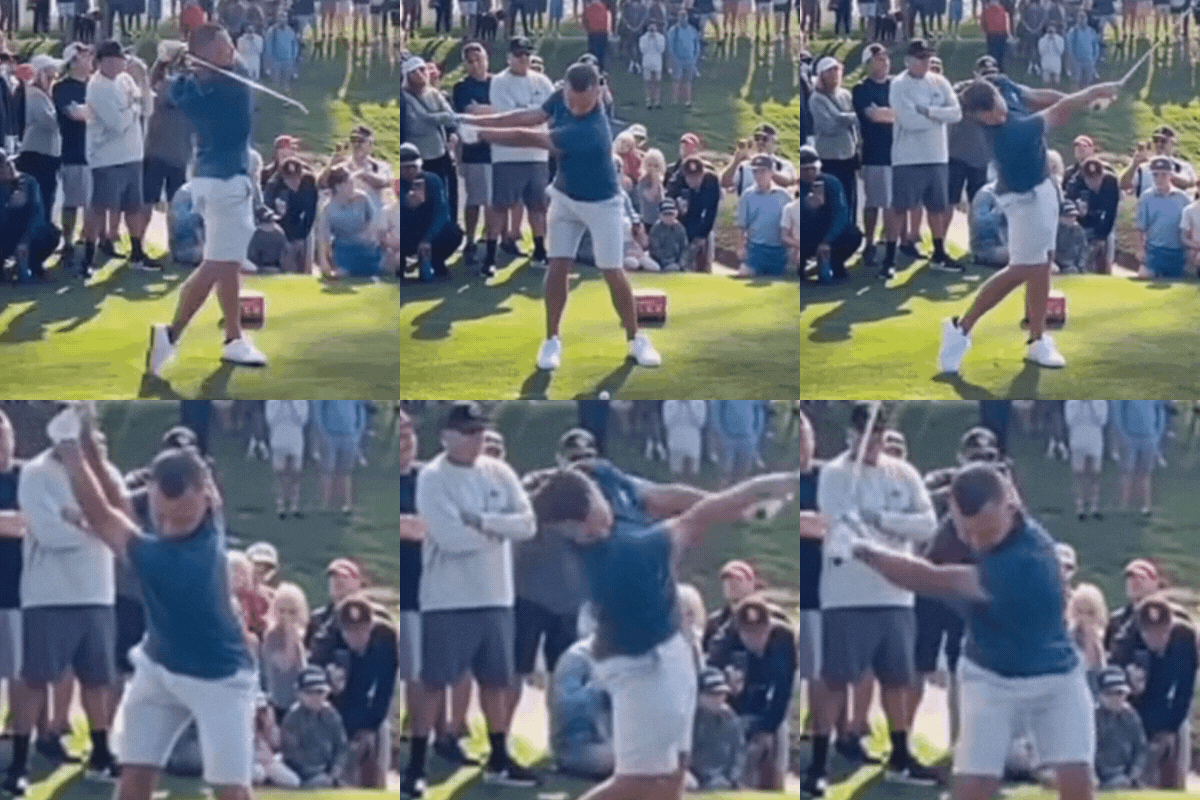
Xander Schauffele's Sweet Swing Sequence
Creating the correct sequence of motion is essential for good ball striking. Xander Schauffele's lower body initiates the downswing as his arms reach the top.
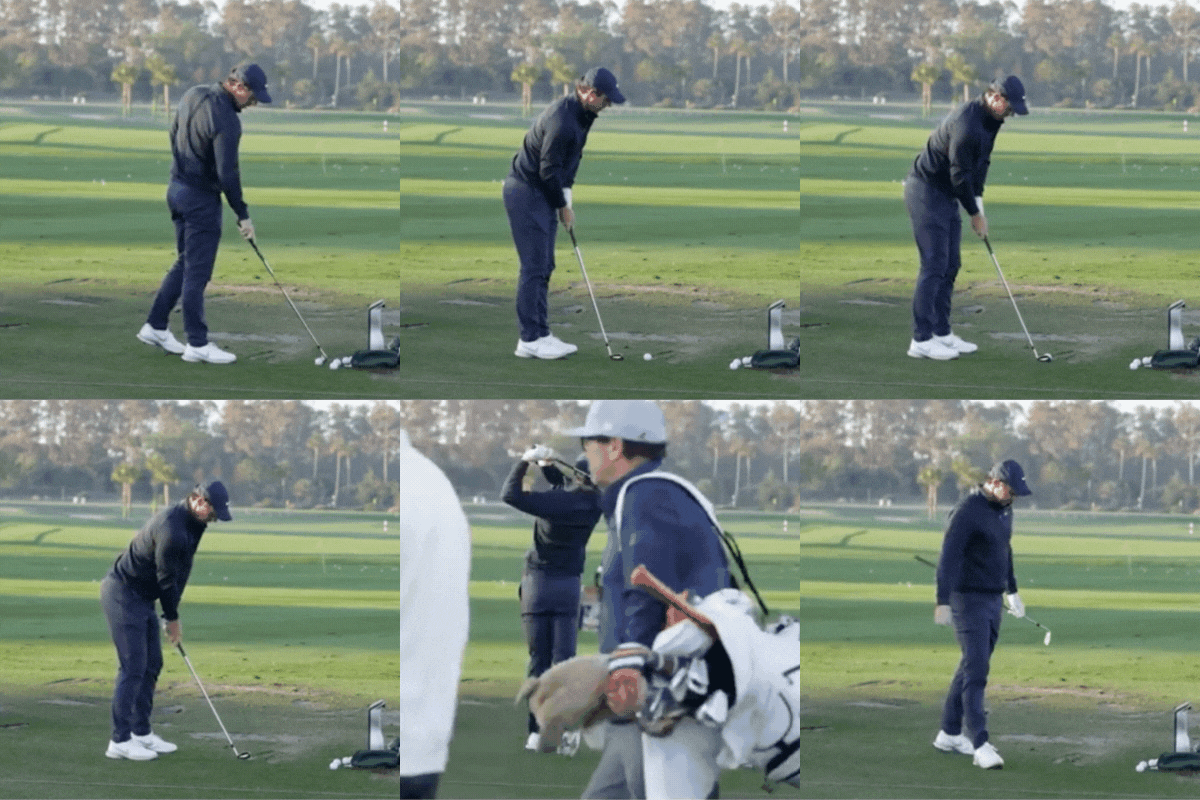
Professional Golfers Move Slow: Why Pace Matters at the Range
Professional golfers take almost twice as long as amateurs to hit the same number of balls on the range. They invest time in preparing for each shot.

Speed Swings: Like Vitamins for Your Golf Game
Speed Swings are a simple yet powerful practice technique. Swing your driver as fast as you can, focusing on the swoosh sound at impact.

D-Plane: Understanding Golf Shot Shapes and Trajectory
The D-Plane represents the plane formed between your club path and clubface direction at impact. Understanding it gives you control over ball flight.
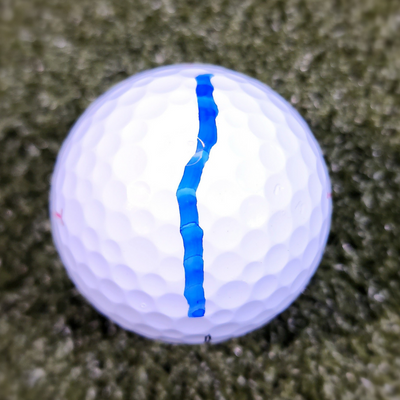
Tiger Woods' Mindset Hack: A Simple Technique to Gauge Your Nerves
Tiger Woods had a simple method to gauge how nervous he was: draw a line on his golf ball freehand. The straightness revealed his mental state.

How Tiger Woods Makes a Swing Change: A 10-Step Process
Ever wondered how the pros approach swing changes? Here's Tiger Woods' systematic 10-step process for making lasting improvements.

Viktor Hovland's Matchups: How Wrist and Arm Sync Creates Straight Shots
Viktor Hovland's key lies in syncing his left wrist bow during the downswing with his left arm bend through impact: creating a super stable clubface.

What Is Concentration in Golf? 10 Keys to Focused Performance
Concentration is a trainable skill, just as important as physical conditioning. Here are 10 key elements of focused performance in golf.
How to Secure a College Golf Scholarship
While improving your skills and building relationships with coaches are essential, the guidance of a good golf coach can significantly enhance your scholarship chances.
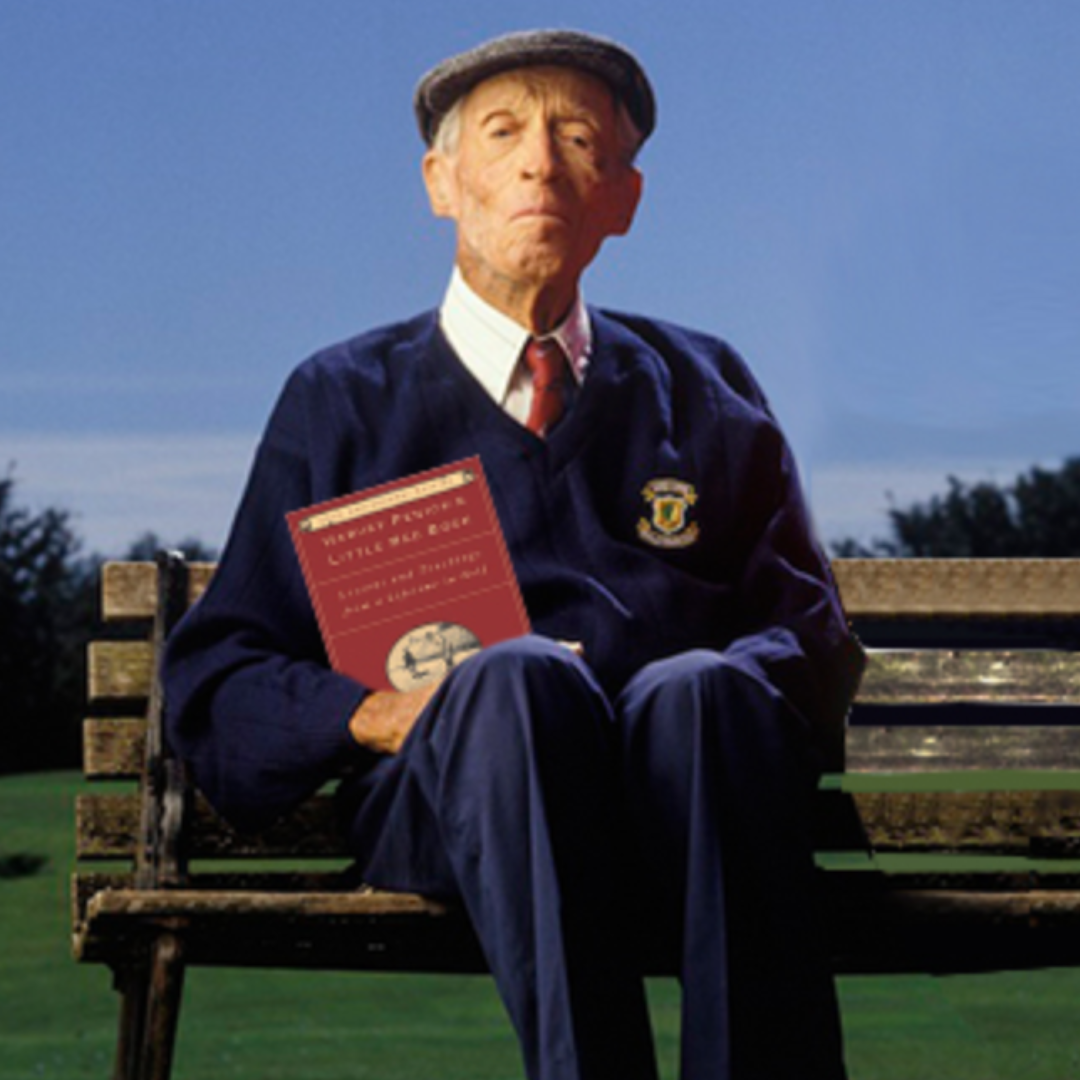
Harvey Penick: Austin's Most Legendary Golf Instructor
Harvey Penick's simple, effective teaching philosophy changed golf forever: and it all started in Austin, Texas.
Legends of Austin, Texas Golf: Penick, Crenshaw & Kite
Austin has produced some of the most successful golfers in history. Here's how Penick, Crenshaw, and Kite put the city on the golf map.

Grit and Becoming a Champion Golfer
Grit: the passion and perseverance to achieve long-term goals: is what separates the best golfers from the rest.

Golf's Ball Flight Laws: What Every Golfer Should Know
Understanding ball flight laws helps you diagnose swing issues, make better on-course decisions, and lower your scores.

Drive for Show, Putt for Dough? Why This Saying Is Wrong
The popular saying suggests putting is king: but the data shows driving and approach play are what separate the best from the rest.

Top Golf Experiences in Austin, Texas
From championship resort courses to scenic Hill Country public clubs, Austin offers incredible golf experiences for every skill level.