What Your Ball Flight Tells You About Your Swing
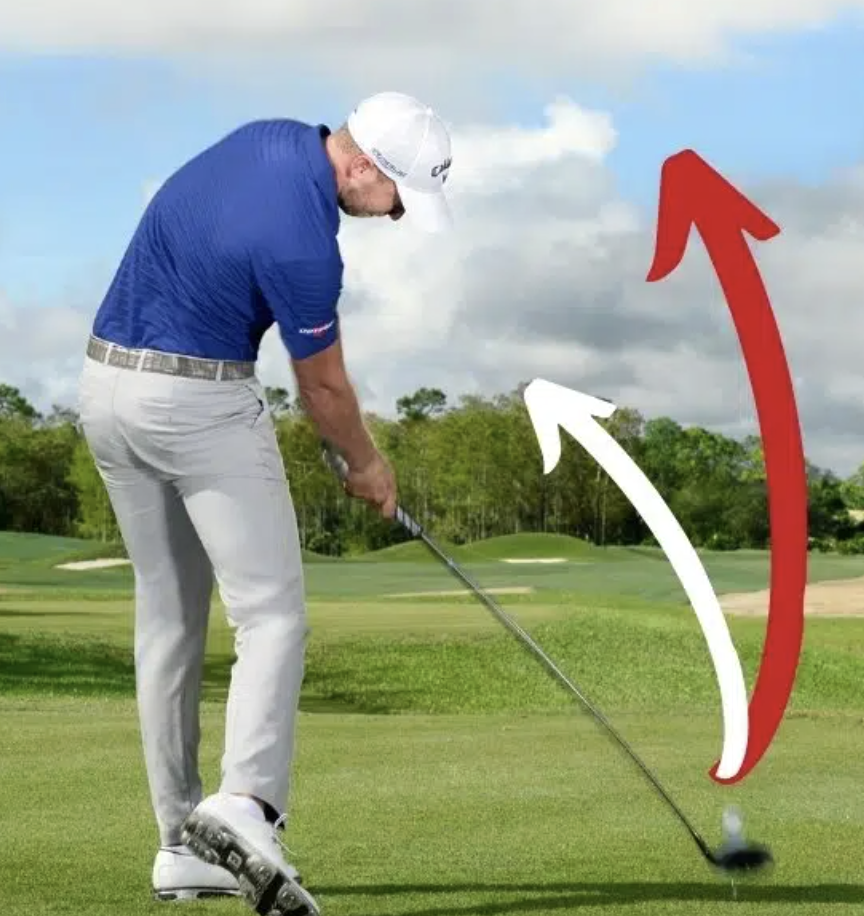
Golf Swing Analysis: What Ball Flight Tells You About Your Swing
At ATX Golf Performance, one of the first things we teach our athletes is how to read the ball. Why? Because ball flight never lies. Whether you're a beginner trying to make solid contact or a seasoned player looking to shape shots, understanding what your ball is doing in the air gives you powerful insight into your swing: especially your club path and club face alignment at impact.
Understanding the Basics of Ball Flight
Every golf shot is a result of two critical factors at impact:
- Club Path: the direction the clubhead is moving (right or left) relative to the target line.
- Club Face: where the face of the club is pointing at the moment of impact.
These two elements combine to produce the ball's initial direction and curvature in the air.
Common Ball Flights and What They Mean
Straight Shot: Your club face and path are aligned to the target. This is rare: most golfers have a slight curve in one direction.
Draw (Right-to-Left): Club path is in-to-out with a face slightly closed to target but open to path. A draw is often a sign of good sequencing and efficient rotation.
Fade (Left-to-Right): Club path is out-to-in with a face slightly open to target but closed to path. A reliable fade can be a strategic weapon.
Slice: Out-to-in path with a face open to both target and path. This is a common amateur issue indicating poor face control and distance loss.
Hook: In-to-out path with a face closed to both target and path. Often more dangerous than a slice: suggests overactive hands.
Push or Pull: Straight shots that miss the target due to directional misalignment in your path.
Why Ball Flight Should Drive Your Training
Using advanced launch monitors, we pair real-time ball flight data with detailed club metrics to confirm exactly what's happening at impact. This ensures that your training is precise, measurable, and directly linked to what matters most: the flight of your golf ball.
Want to understand your ball flight? Schedule a swing analysis session.
Learn More →Frequently Asked Questions
What causes a slice in golf?
A slice is caused by an out-to-in club path combined with a clubface open to both the target and the path at impact.
How do I know if I have a draw or a hook?
A draw curves gently right-to-left with controlled distance. A hook curves sharply and runs out: typically from a face closed to both target and path.