Golf Swing Analysis: Invisible Forces

Golf looks simple from the outside: swing the club, hit the ball. But inside every powerful, repeatable swing is a world of invisible forces: pressures, rotations, and ground reactions you can't see with the naked eye.
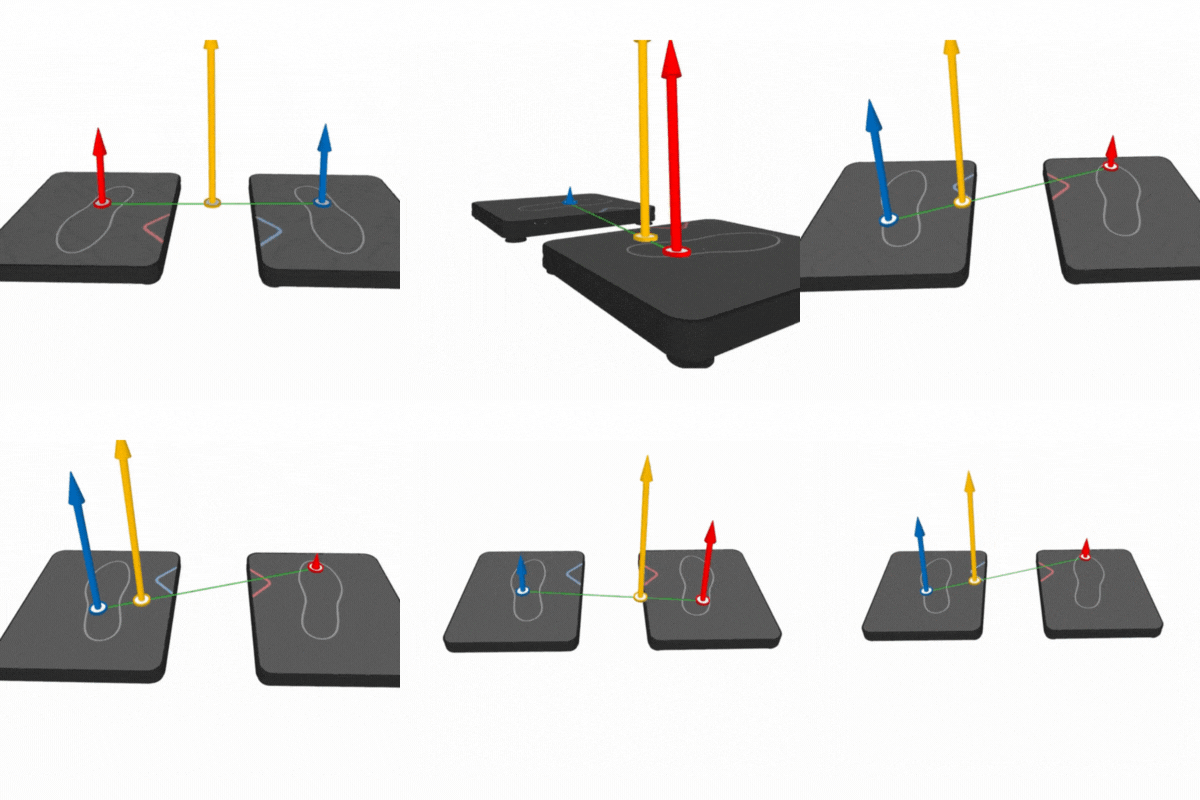
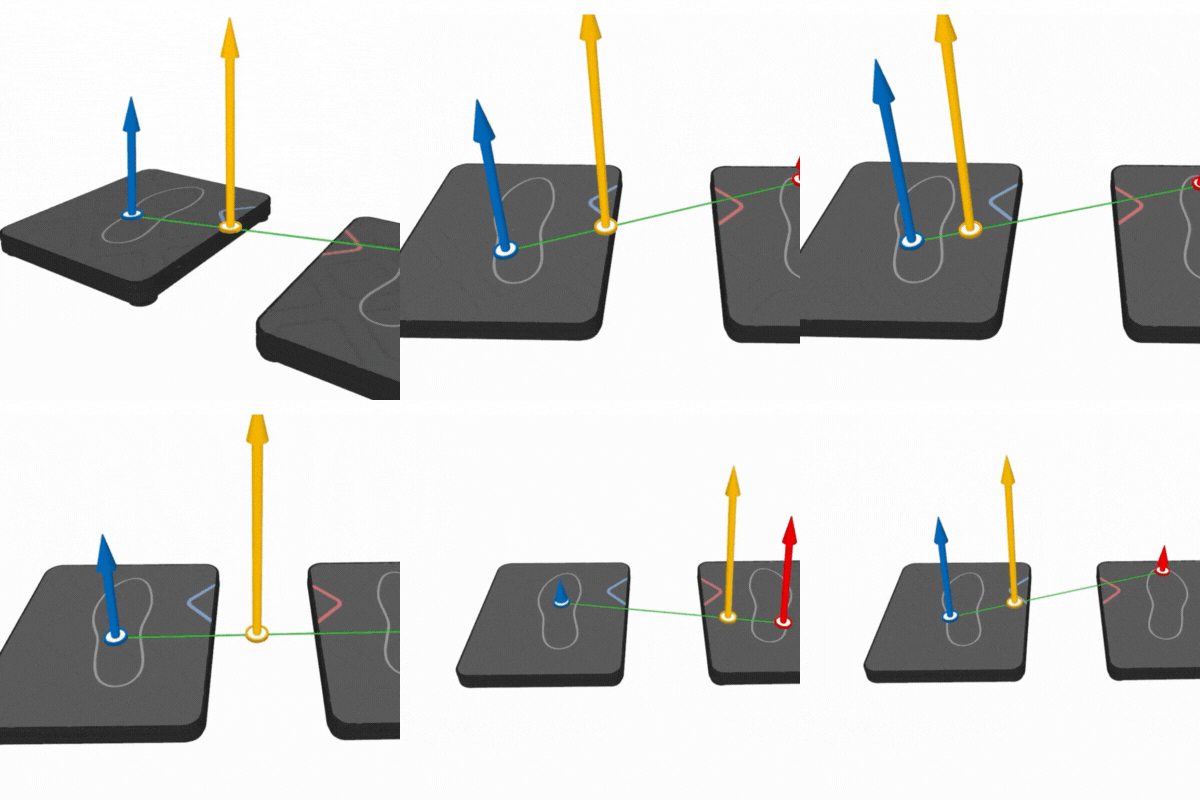
Elite golfers use the ground better than anyone else. They generate force in three dimensions: lateral, rotational (torque), and vertical: and sequence those forces at precisely the right time.
What Is Lateral Force?
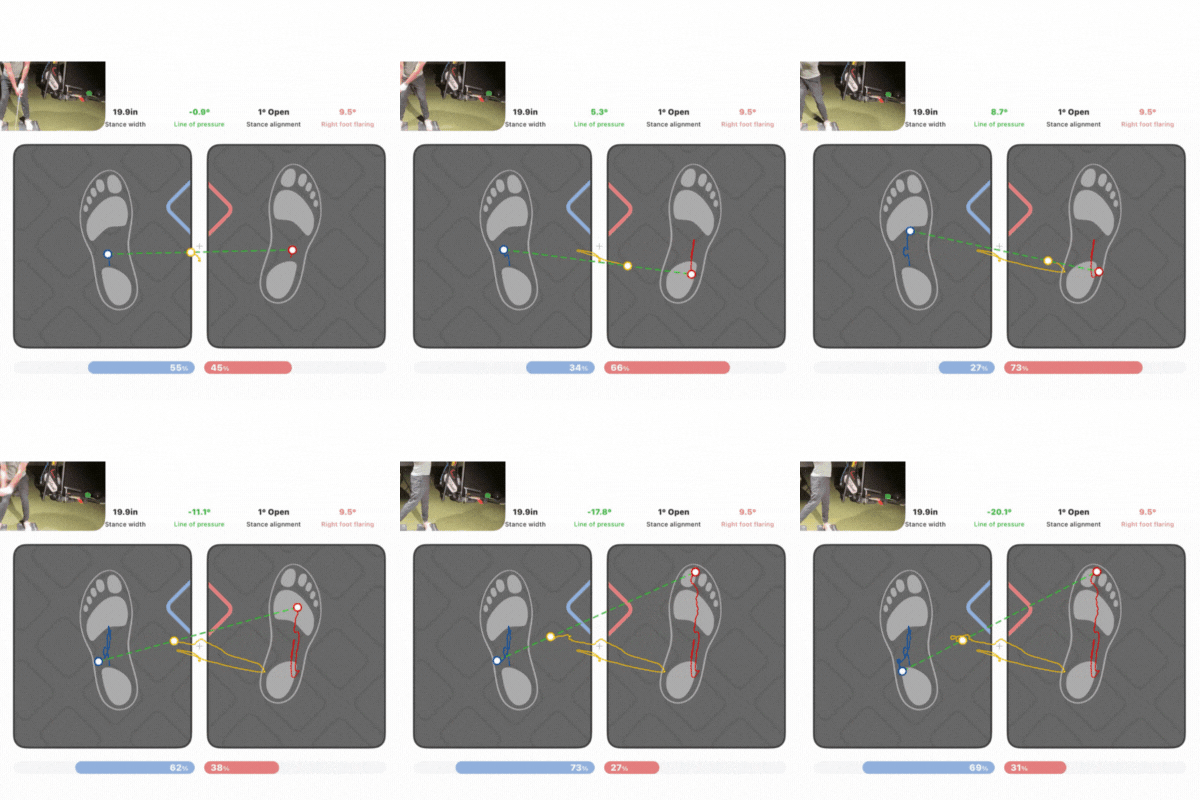
Lateral force is the side-to-side pressure shift your body applies into the ground during the swing. It happens early, it happens fast, and it sets the stage for nearly everything else. When elite players load into their trail leg in the backswing, they create a small amount of lateral pressure to the trail side. Then, before the club even finishes the backswing, they push laterally toward the lead side to initiate the downswing.
How Lateral Force Drives Torque
Torque is the twisting force created when your lead foot and trail foot push in opposite directions. The shift to the lead side moves your center of pressure toward your lead foot. As this happens, the pressure difference between the feet creates an opportunity to push in opposite rotational directions.
On force-plate graphs, elite players typically show: early lateral peak (P4–P5), mid-downswing torque peak (P5–P6), and late vertical peak (P6–P7). If lateral force is late or weak, torque has nothing to build from.
How Lateral Force Sets Up Vertical Force
Vertical force is the upward push into the ground that helps create clubhead speed through extension and posting up the lead leg. You cannot use vertical force properly unless you're already on your lead side. The sequence in elite players: Lateral → Rotational Torque → Vertical.
Why Most Amateurs Struggle With Lateral Force
- Not shifting early enough: Late lateral shift → late torque → no vertical force → arms take over.
- Sliding instead of shifting: If your hips drift too far target-side, you lose the ability to rotate.
- Hanging back: Fear of shifting leads players to stay on the trail side too long, causing fat and thin shots.
- Mis-timing the sequence: Even correct movement at the wrong time changes everything.
Simple Drills to Train Proper Lateral Force
- The 'Step Into It' Drill: Start with feet together → step toward target as you start the downswing.
- Lead-Side Wall Bump: Stand with lead hip an inch from a wall. In transition, bump the hip into the wall but don't slide along it.
- Trail-Foot Pullback: Set your trail foot slightly behind and pulled back. Forces you to pressure lead side earlier.
- Vertical Force Timing Drill: After shifting, feel yourself 'posting up' on the lead side. Push vertically only once you feel stable.
Ready to find your invisible forces? Book a Swing Analysis Session.
Learn More →Frequently Asked Questions
What are ground reaction forces in golf?
Ground reaction forces are the lateral, rotational (torque), and vertical pressures your body applies into the ground during the swing. Elite golfers sequence these forces precisely to generate effortless speed and consistent ball-striking.