Ground Reaction Forces in Golf: When to 'Kick' Into the Lead Leg
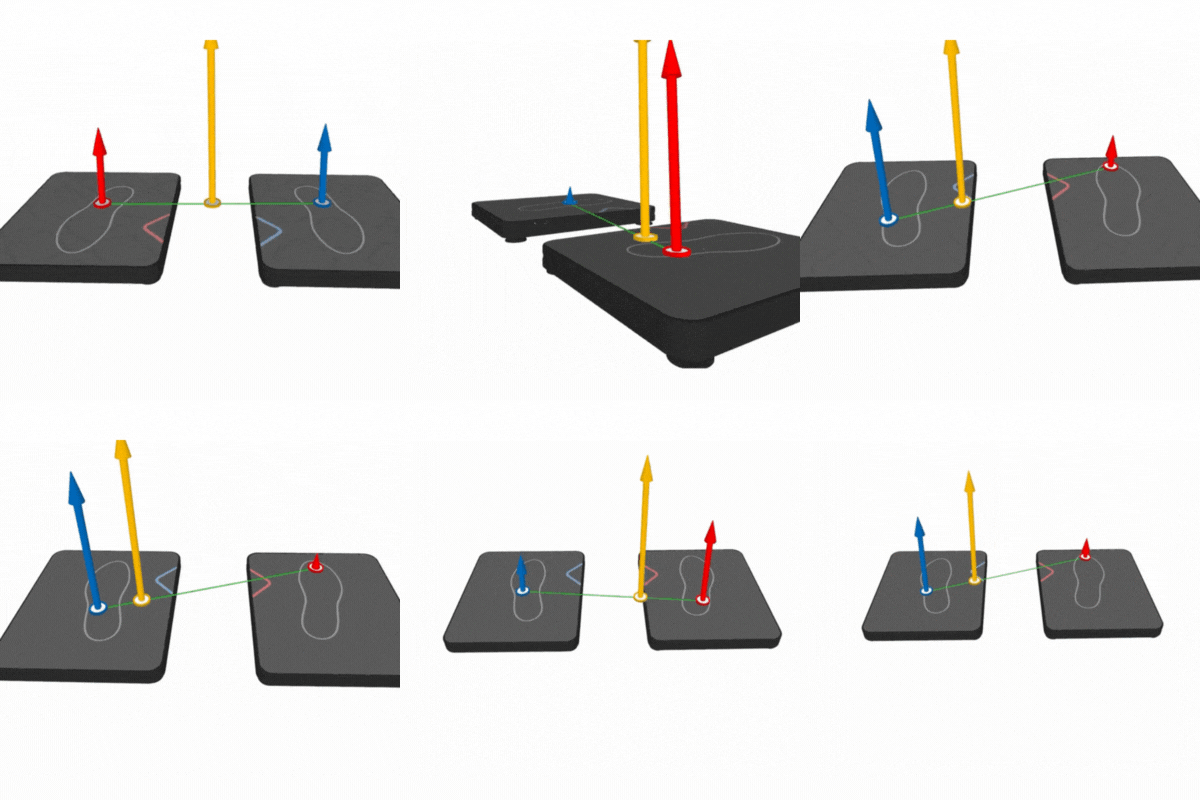
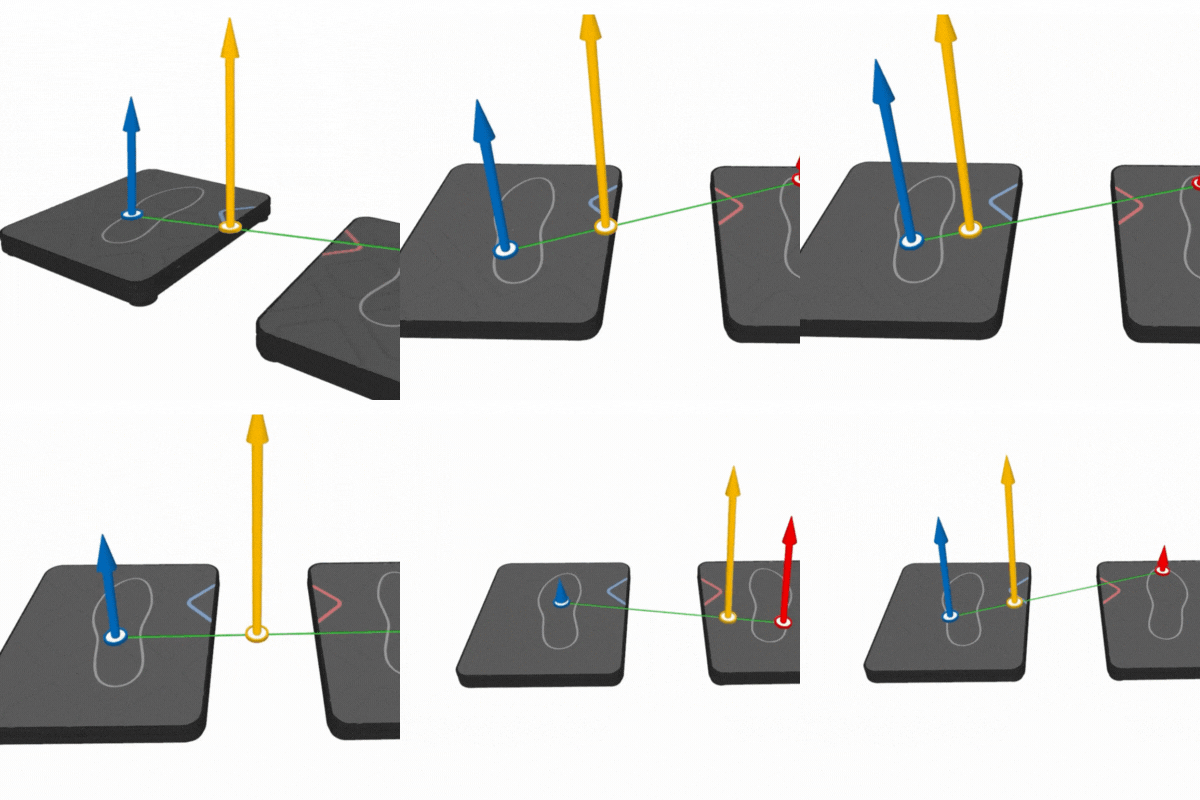
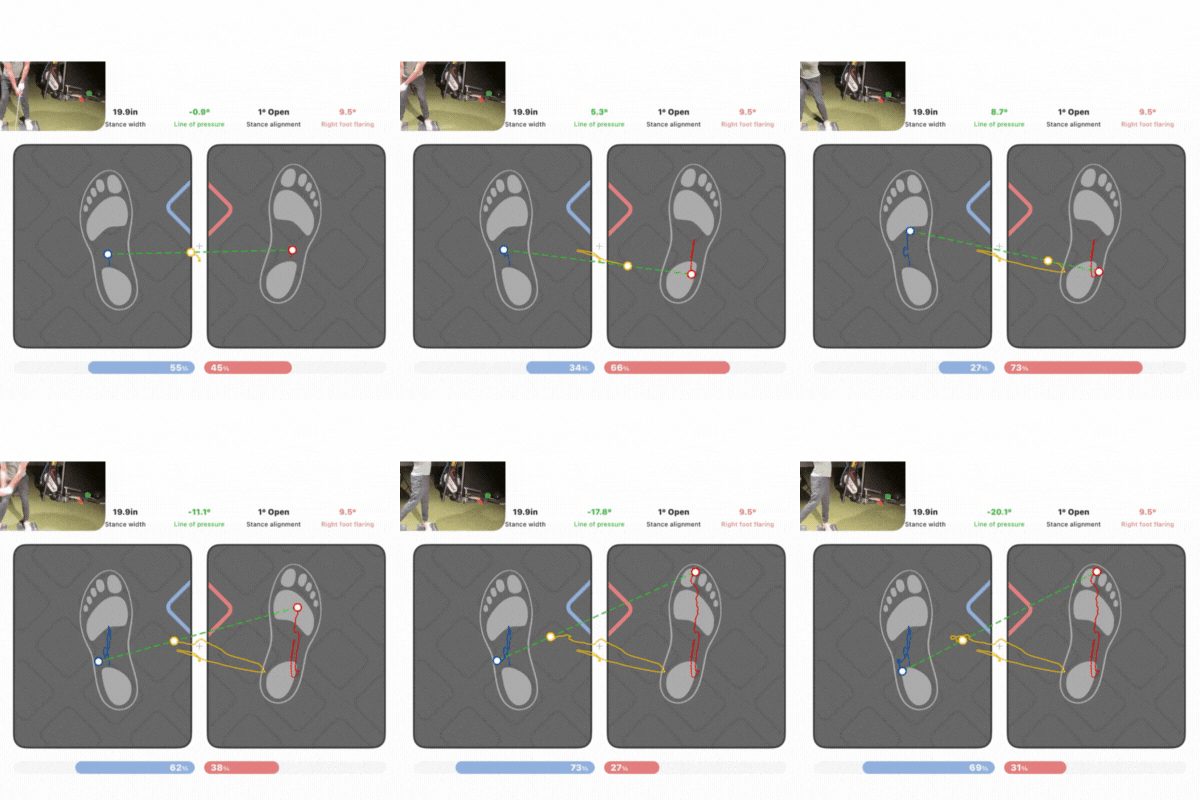
If you watch elite players in slow motion, you'll see the same lower-body pattern over and over: they shift pressure toward the target, break that lateral move by posting into the lead leg, and press vertically into the ground and rotate through.
That moment when the front leg 'posts' is not just style: it's the hinge point where lateral motion turns into vertical force and rotation. Get the timing wrong and you'll feel stuck, spinny, or out of control. Get it right and the club feels like it's being launched past you.
1. Ground Reaction Forces: Shift → Brake → Press
From a physics standpoint, the lower body interacts with the ground in three main directions: lateral, rotational (torque), and vertical ground reaction forces.
- Shift (Lateral GRF): pressure moves from trail foot toward lead foot in early downswing
- Brake (Lateral → Rotational): the lead leg begins to resist further lateral motion, creating a pivot point
- Press (Vertical GRF): with pressure loaded into the lead side, the golfer drives down into the ground
2. What Is the Lead-Leg Post?
When we say 'post into the front leg,' we're talking about three things happening together: lateral braking (pelvis stops sliding), hip & knee stabilization (lead side stiffens to transmit force), and rotational pivot (pelvis rotates around the stable lead hip).
3. Anatomy of the 'Kick' Into the Lead Leg
At the Hip: Glutes and Rotators
The gluteus maximus handles hip extension and external rotation. During the shift, glute med/min work to keep the pelvis stable. During the post, the lead glute max fires eccentrically to slow the pelvis' lateral glide. During the vertical press, the glute max extends the hip.
At the Knee: Quads vs Hamstrings
As you shift into the lead side, the lead knee typically flexes slightly: increasing the ability of the quads to produce force. Then as you brake and start pressing vertically, the quads extend the knee: part of the classic 'posting up' look.
4. When Should the Lead-Leg Post Happen?
Peak vertical GRF under the lead foot typically happens before impact, not after. You should be posting and pressing into the lead leg while the club is still working down, so the energy has time to travel up the chain to the torso, arms, and clubhead.
5. Practical Feels
- 'Slide, Sink, then Push': feel pelvis slide, lead knee soften, then push lead foot into the turf
- 'Brake with the Hip, Not the Head': lead hip hits the brakes while upper body keeps turning
- 'Straighten Late': feel the lead knee stay flexed longer, then extend as hands approach hip height
6. Common Errors
- Sliding through without braking: too much lateral motion, not enough braking
- Early vertical push: pushing up too soon, causing early extension
- Locking the lead leg too early: posting into a locked knee at the start of the downswing
At ATX Golf Performance, we use technology like force plates and 3D motion capture to measure exactly how and when you're using the ground: then we translate that data into feels and drills that make sense in your body.
Book a Swing Analysis Session at ATX Golf Performance
Learn More →