Golf Ground Reaction Forces: Vertical Force: The Hidden Source of Speed
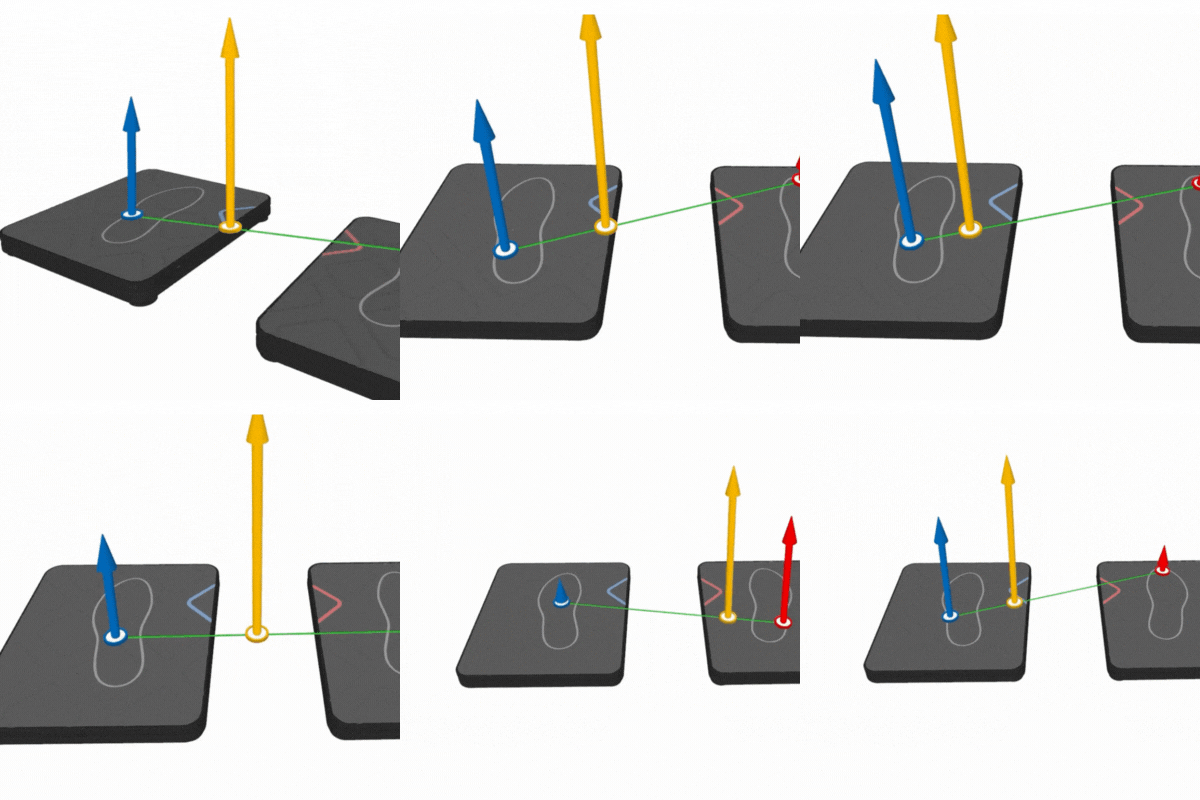
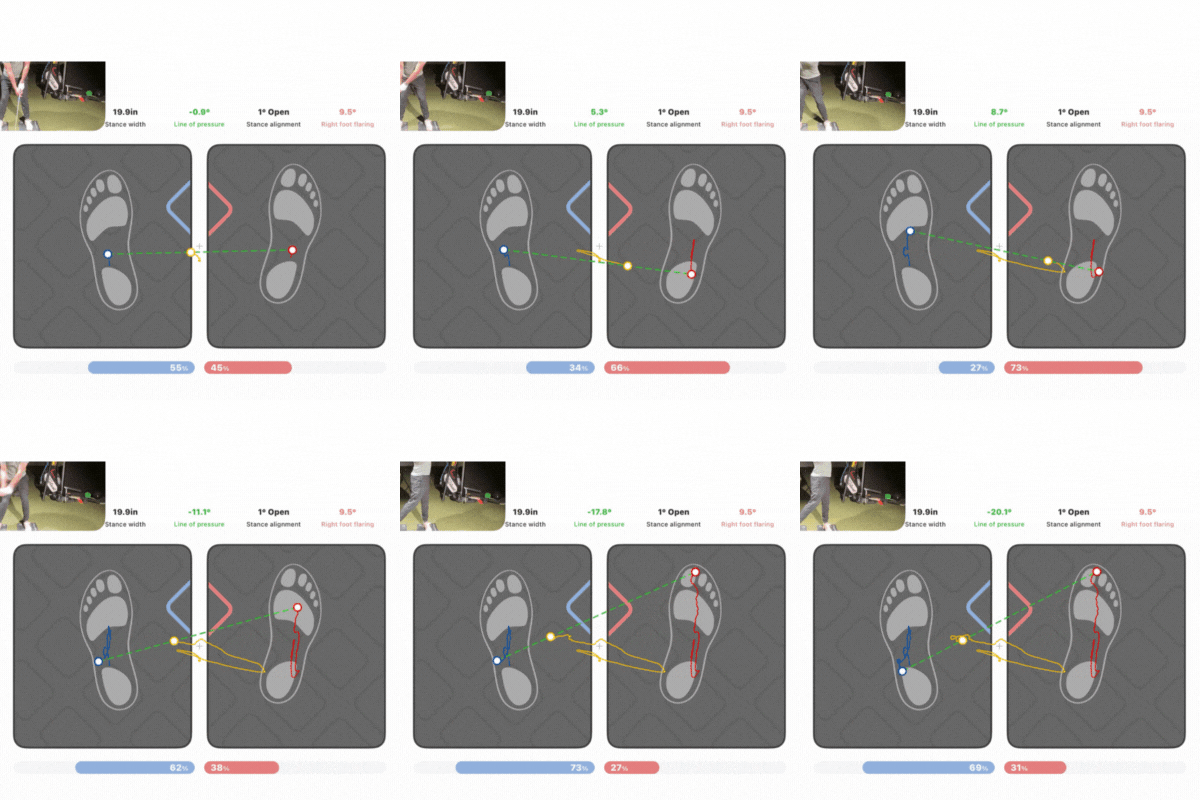
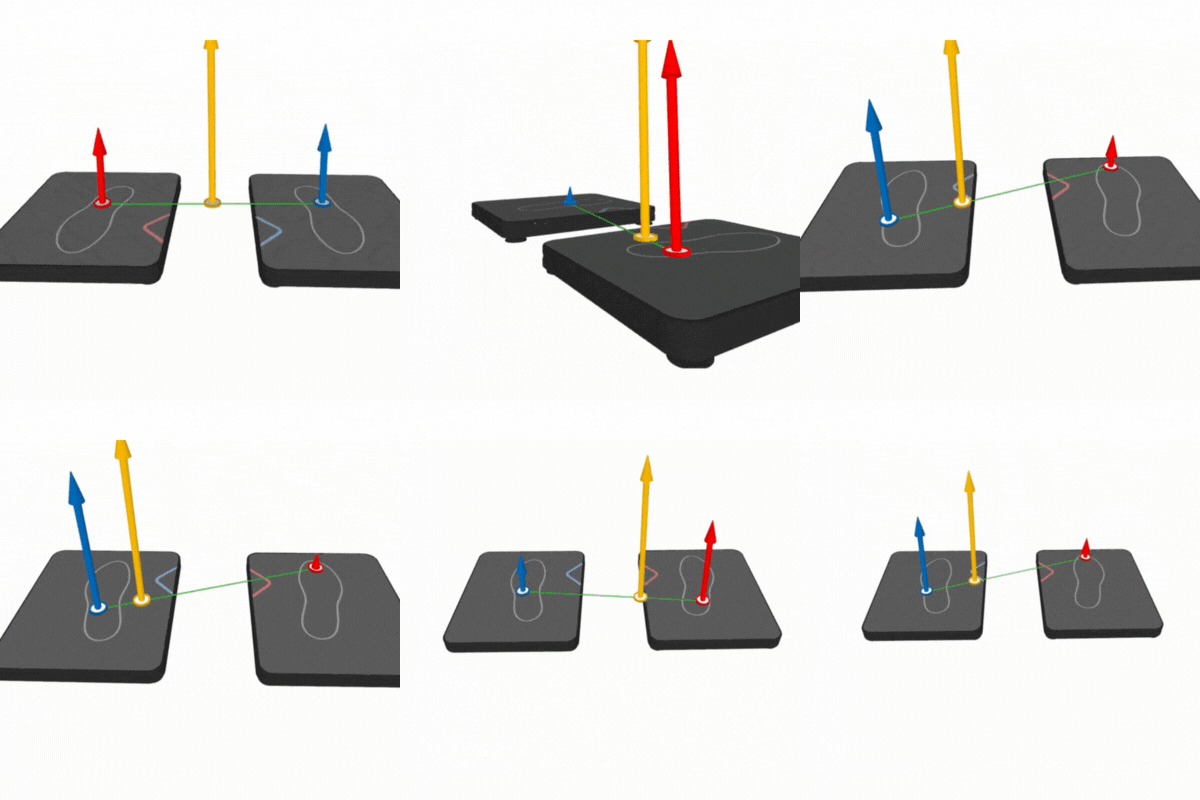
When you watch a tour player hit the ball, it often looks effortless. But beneath that smooth motion is a sophisticated relationship between the golfer and the ground. Elite players produce three major ground-reaction forces: lateral, rotational (torque), and vertical: and the timing of these forces creates the power, stability, and consistency you see on TV.
Today, we're putting the spotlight on vertical force: the upward push into the ground that helps create late downswing speed. But vertical force doesn't work in isolation. It relies heavily on proper lateral movement and torque earlier in the sequence.
What Is Vertical Force?
Vertical force is the upward pressure applied into the ground, most commonly through the lead leg, that produces:
- Extension through the pelvis and torso
- Increased clubhead speed
- A stable lead side at impact
- Dynamic shaft delivery
How Vertical Force Relies on Lateral Force
Vertical force comes after a proper lateral shift. Before pushing upward, a golfer must physically be over the lead leg. Elite players shift pressure into the lead leg before the club starts down from the top. Without that shift, you push up from the wrong place, your pelvis stalls, and you lose speed.
How Vertical Force Works With Torque
Once lateral force puts you onto the lead leg, torque creates the rotational stability needed for productive vertical force. Torque opens the pelvis, creates space for the arms, and allows the body to extend upward without losing posture.
The Vertical Force Pattern of Elite Players
- 1. Lateral force peaks early (transition)
- 2. Torque peaks in the mid-downswing
- 3. Vertical force peaks late (P6–P7)
Vertical force is almost never the first force to peak. It is always the last major force in the chain. This is why the 'jump' happens late, not early.
Drills to Train Vertical Force Correctly
- The 'Post Up' Drill: shift into lead side, then extend after pelvis opens
- Lead-Leg Resistance Drill: resistance band around lead leg, rotate and extend against it
- Step-Then-Push Drill: step into lead leg during transition, then push vertically late
- Wall-Behind-Hip Drill: prevents early extension
Book a Swing Analysis Session at ATX Golf Performance
Learn More →