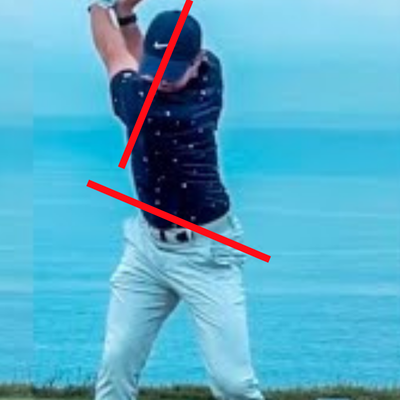
Pressure Shift for Speed & Solid Iron Contact

Last week we talked about how your legs play a major role in creating clubhead speed and better contact. This week, we're focusing on how the sequence of your pressure shift directly affects both speed and strike quality.
Using your legs is important: but using them at the right time is what really separates solid iron players from inconsistent ones.
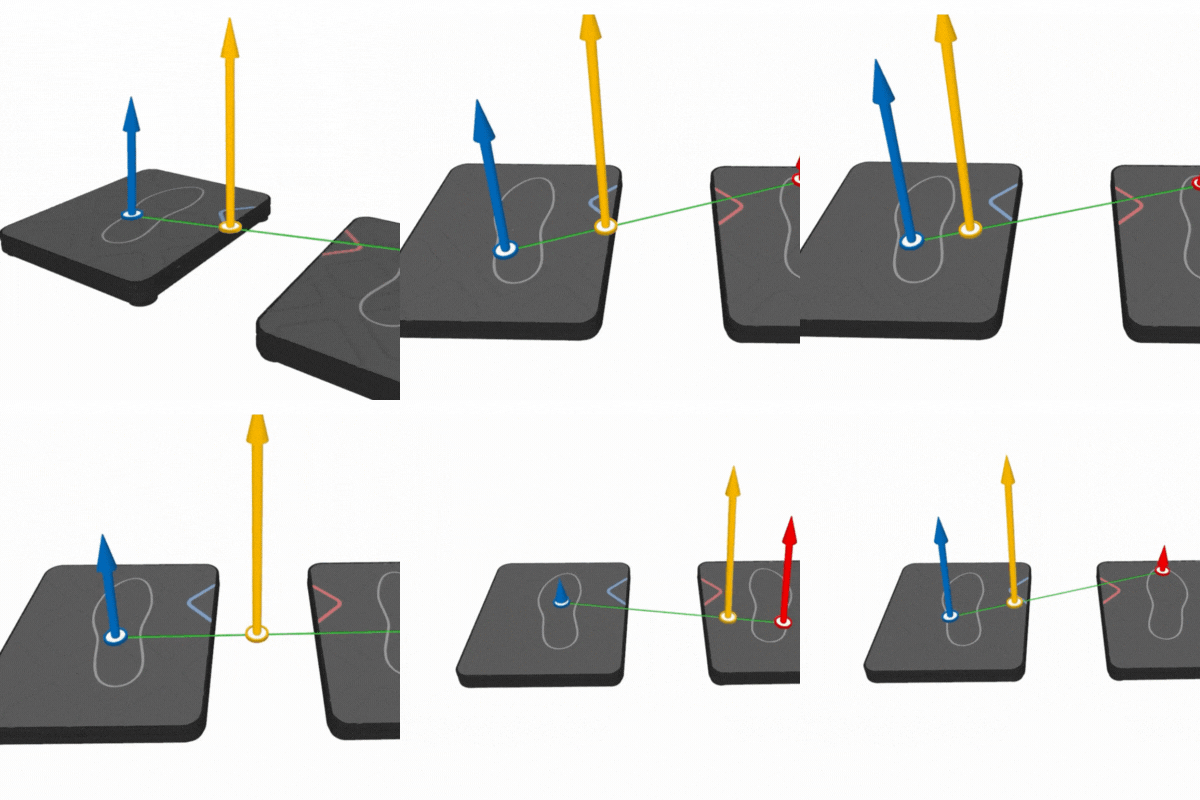
The Ideal Pressure Shift Pattern for Irons
When we measure high-level iron swings, we see a very consistent pressure pattern:
- Setup: ~55% pressure on the front leg
- Halfway back: ~80% on the back leg
- Top of the swing: ~50/50
- Halfway down: ~80% on the front leg
- Impact: ~80% on the front leg
This sequence allows you to load energy efficiently and then deliver it into the ball.
Why This Matters
- Starting slightly forward promotes good posture, balance, and ball-first contact
- Shifting pressure into the back leg early helps you create torque and store energy
- Returning to a centered position at the top keeps you from swaying or getting stuck
- Shifting pressure forward early in the downswing allows your body to lead and the club to lag
- Staying forward at impact improves compression, low-point control, and consistency
What You Should Feel
- A slightly forward, athletic setup
- Pressure moving into the trail leg as the club moves back
- A centered feeling at the top of the swing
- Pressure shifting forward before the club starts down
- Strong pressure on the lead leg through impact
Practice Drill
Use this slow-motion rehearsal before hitting balls:
- Set up with slightly more pressure on the front leg
- Swing back slowly and feel pressure move into the back leg
- Pause at the top and notice your balance
- Start the downswing by shifting pressure forward
- Swing through, maintaining pressure on the front leg at impact
Make this part of your warm-up and you'll start to see improvements in both speed and contact very quickly.