Driver Strike Location: The Hidden Key to Launch, Spin, and Distance
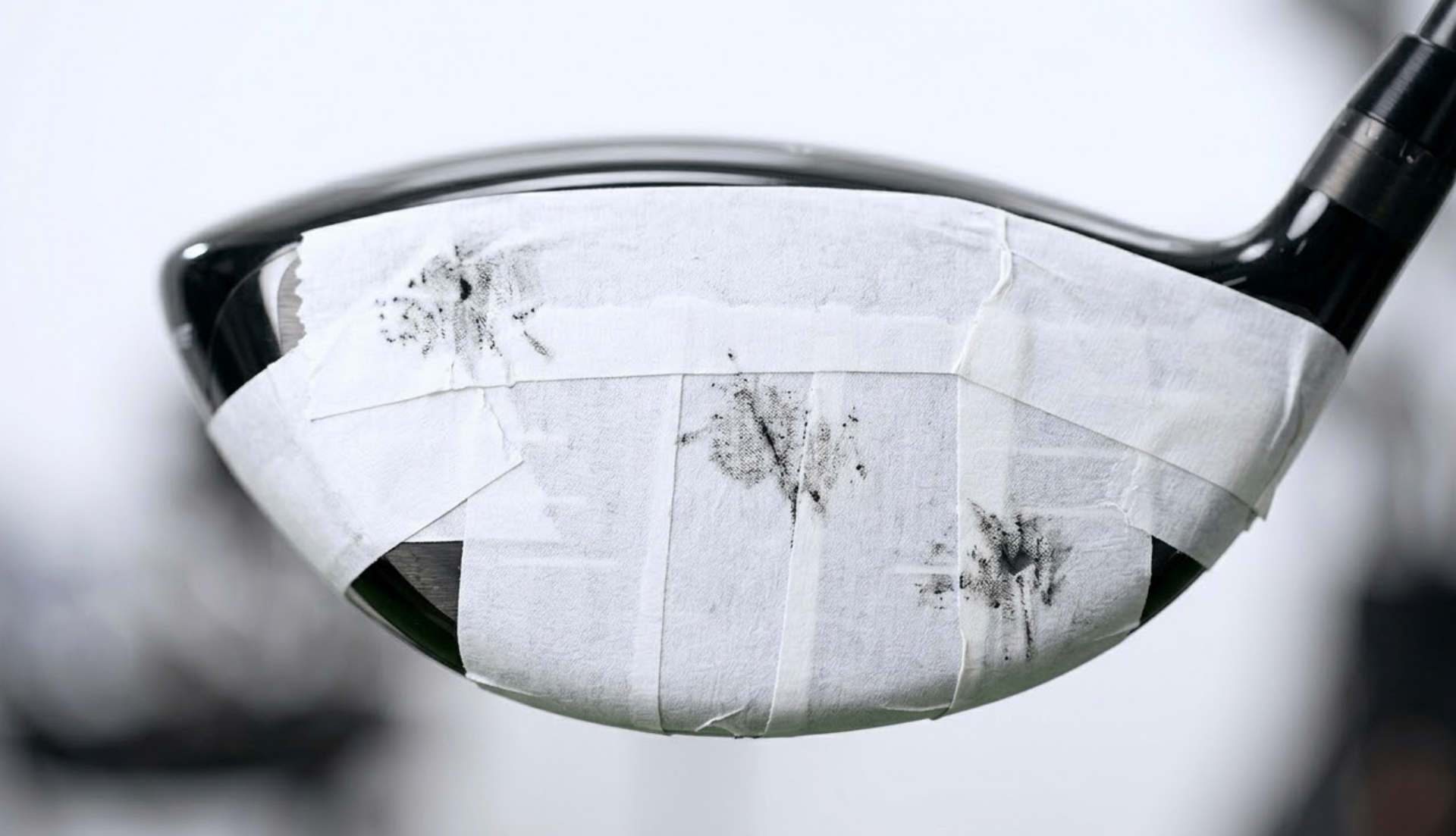
A lot of golfers chase launch monitor numbers by changing shafts and lofts. Sometimes the problem is simpler: you're not striking the face consistently.
Single digit coaching in Austin (Wild Basin)
Learn More →Why Strike Location Matters (Gear Effect Is Real)
General tendencies (right-handed golfer): toe strike often curves left and can reduce spin; heel strike often curves right and can add spin; high face can lower spin (sometimes a 'knuckle'); low face adds spin and launches lower.
If your big miss is a wipey heel fade, strike is likely your constraint.
Quick Self-Audit
Use foot spray or impact tape. Hit 10 drivers. Take a photo. Circle your cluster. You're looking for consistency (tight cluster) and position (not all heel/low).
Two Drills
Drill 1: 3-Spot Challenge
Hit 9 balls: 3 toe, 3 heel, 3 center. If you can't move strike on purpose, you don't control it.
Drill 2: Speed Step-Down
Hit 3 at 100% intent, 3 at 90%, 3 at 80%. Track strike and start line.
Common Mistakes
- Thinking strike is 'luck'
- Chasing equipment before pattern
- Ignoring setup (tee height, distance)
Once strike improves, launch/spin often stabilizes quickly.
Book single digit coaching in Austin
Learn More →Frequently Asked Questions
Why does strike location change ball flight?
Driver strike location changes launch, spin, and curvature due to gear effect and spin loft.
Why do heel strikes go right?
Heel strikes often add right curvature for right-handed golfers and can also come with an open face.
How can I find my strike pattern?
Use foot spray or impact tape and record 10 swings, then identify your strike cluster.