Face-to-Path Explained: The Only Ball Flight Model You Need
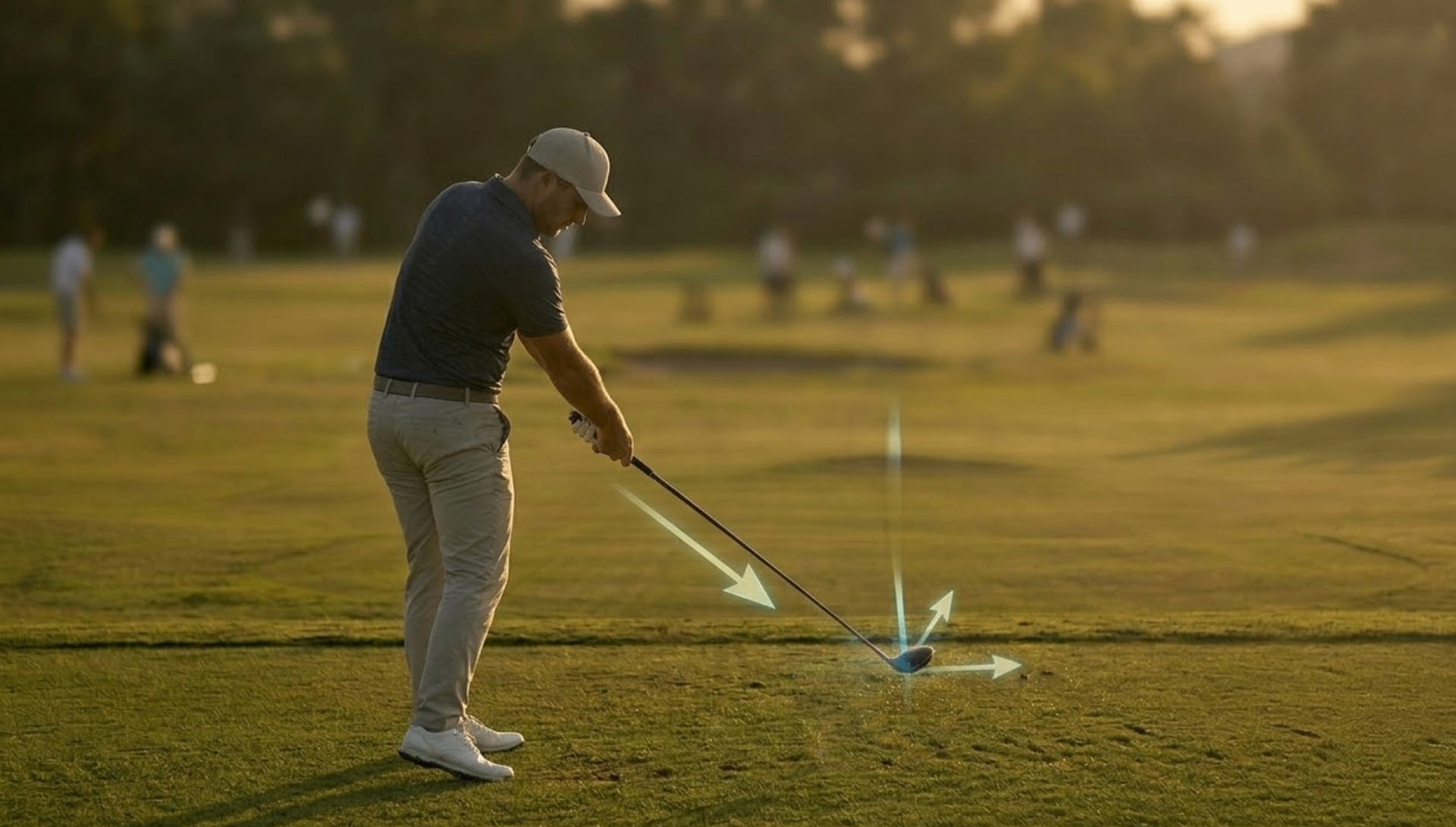
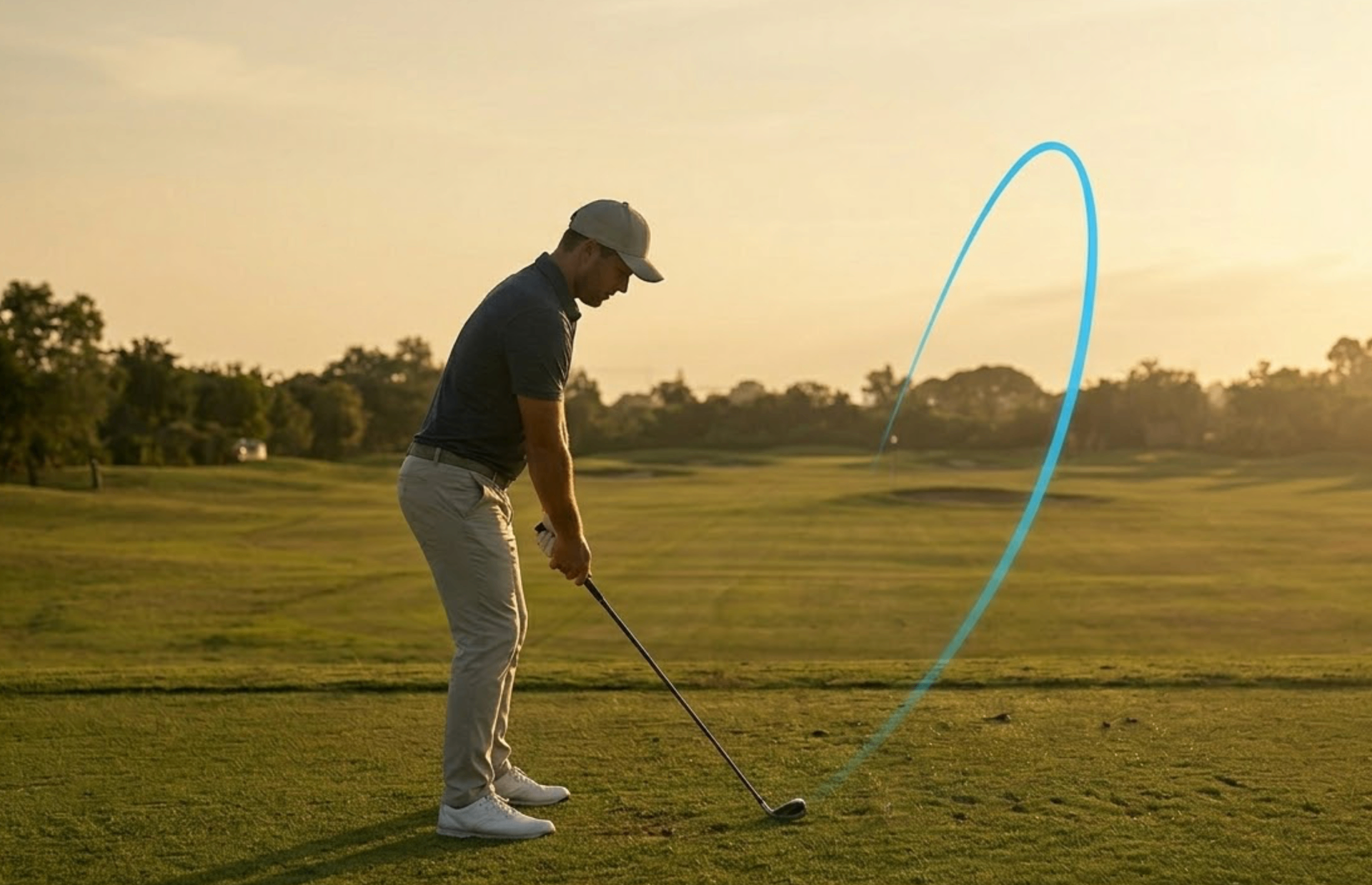
If you're an advanced golfer, you don't need more tips. You need a model that explains cause and effect. Face equals start line (mostly). Face relative to path equals curve.
Performance coaching in Austin (Wild Basin)
Learn More →Quick Diagnosis Table (Right-Handed Golfer)
- Push (starts right, straight): face right, path similar
- Push-slice: face right, path even more right (face is left of path)
- Pull (starts left, straight): face left, path similar
- Pull-hook: face left, path even more left (face right of path)
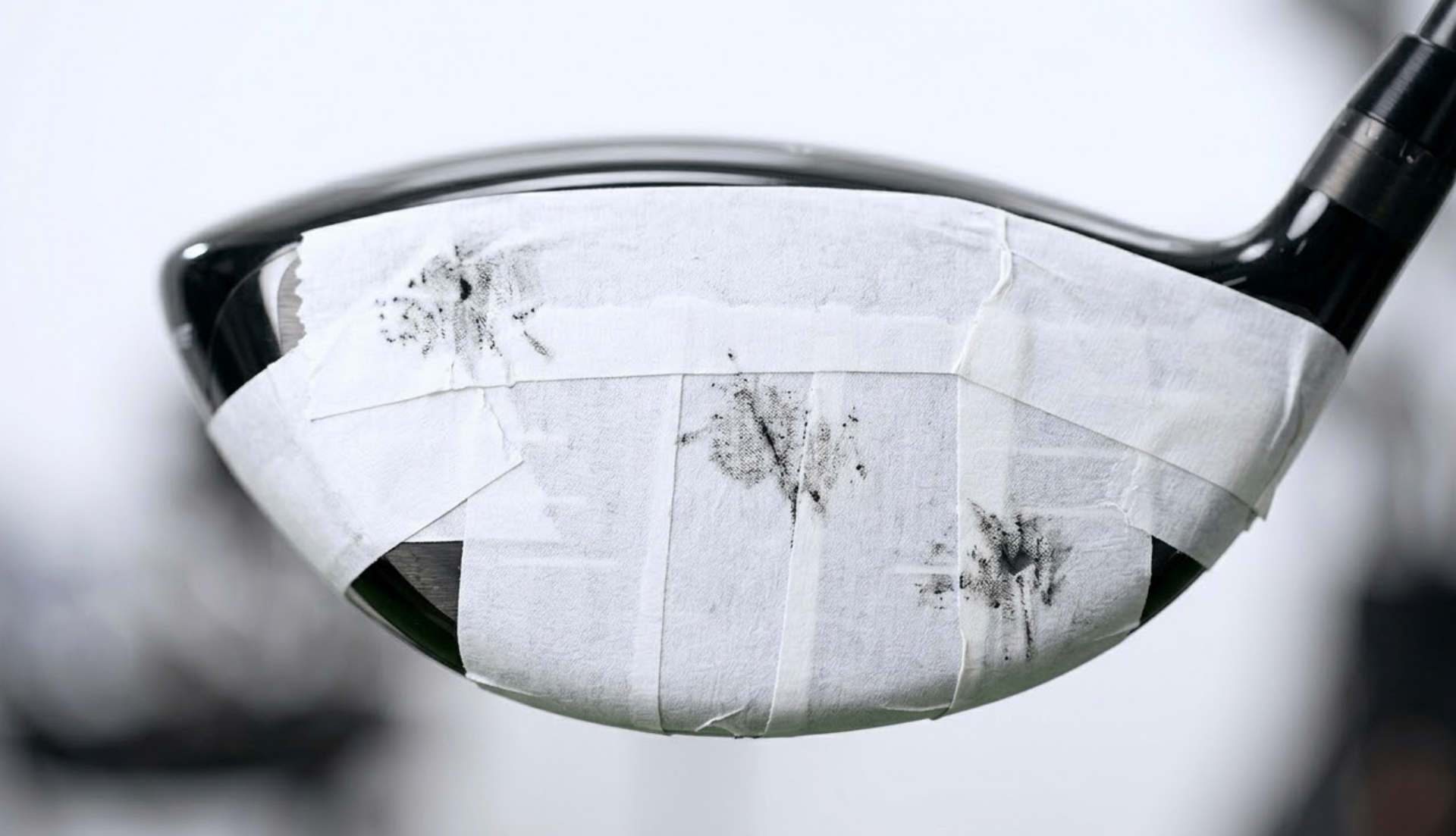
Note: strike location can also bend the ball (gear effect), especially with driver.
The 2 Mistakes Most Golfers Make
- They try to fix curve by changing path when the face is the real issue.
- They don't separate start line and curvature.
A Simple Way to Train It
Pick ONE for a session: face control (start line window) or curve control (curve cap).
Two Drills
Drill 1: Start-Line Gate
Put a gate 5 yards out. Goal: 7/10 start through it.
Drill 2: Curve Cap
Pick a target and a maximum curve. If it curves more, that rep doesn't count.
If you bring your pattern (and a few numbers or video), the fix gets obvious fast.
Book single digit coaching in Austin
Learn More →Frequently Asked Questions
Does the face control start line?
Yes, mostly. Start line is largely driven by clubface direction at impact.
What controls curvature?
Curvature is mainly face relative to path. The more mismatch, the more curve.
How do I practice face-to-path?
Use a start-line gate for face control and a curve cap for curvature control. Train one constraint per session.