Golf Instructor Insight: What Your Feet Do and Why It Drives Your Swing Power
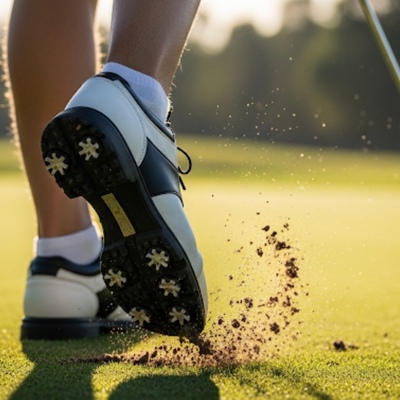
At ATX Golf Performance, we believe that elite-level performance begins from the ground up. Your feet aren't just passive props: they actively sequence pressure, stability, and propulsion throughout the swing. Research confirms that how and where your feet engage with the ground significantly affects your swing mechanics and energy transfer.
What the Research Says: Foot Mechanics & Kinetic Link in Golf
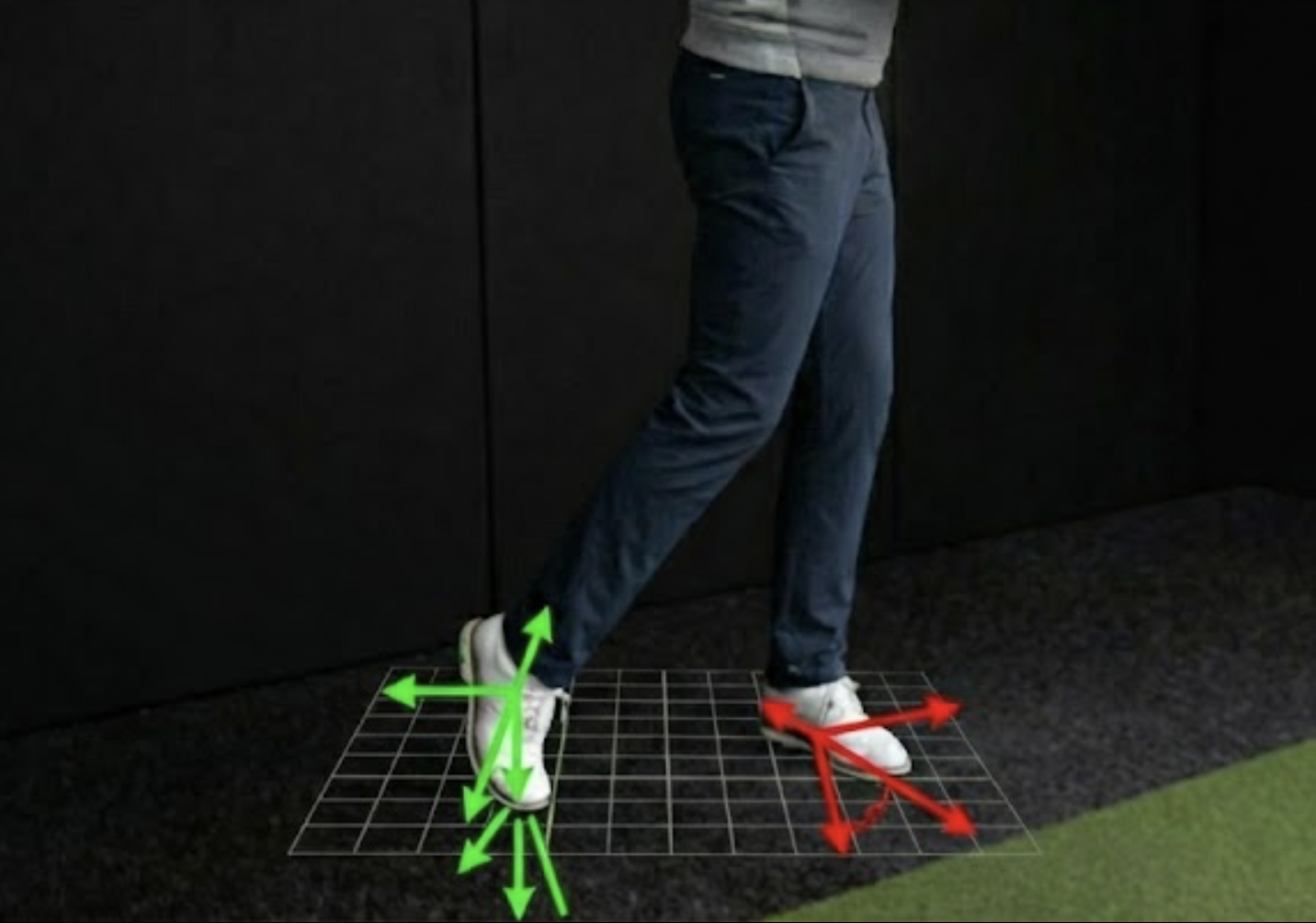
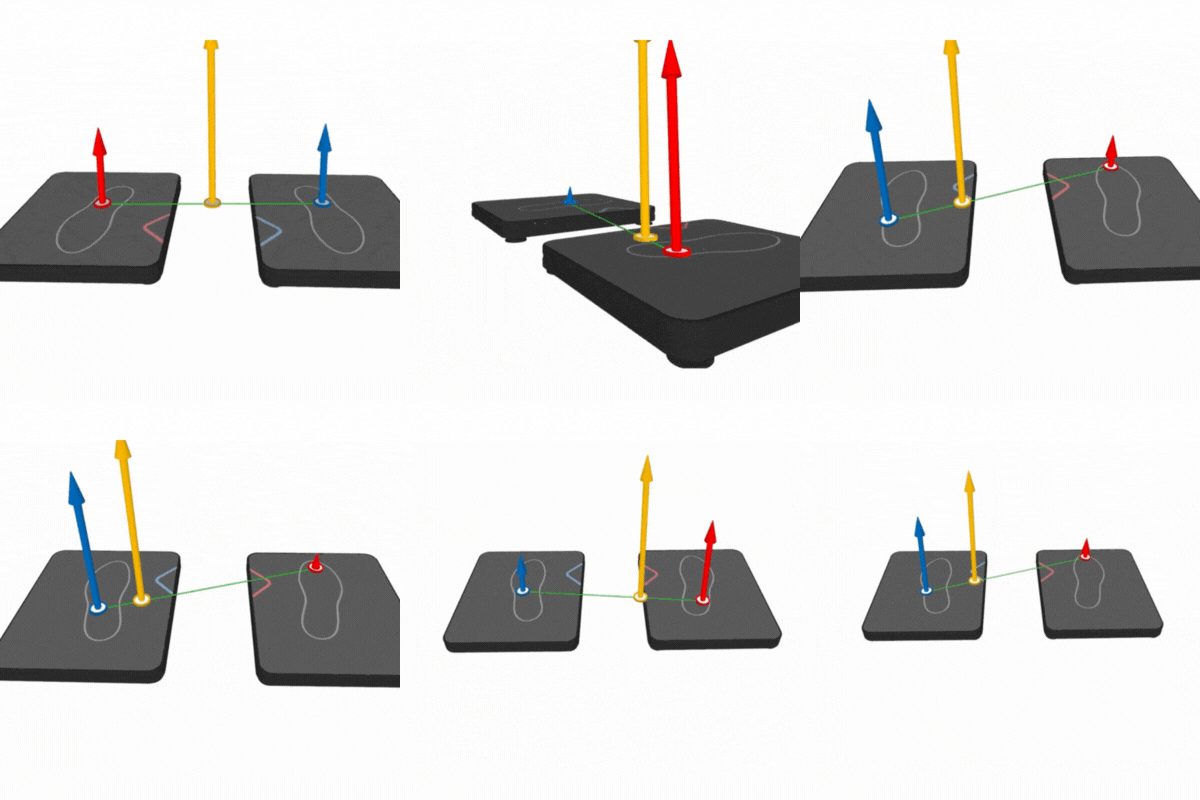
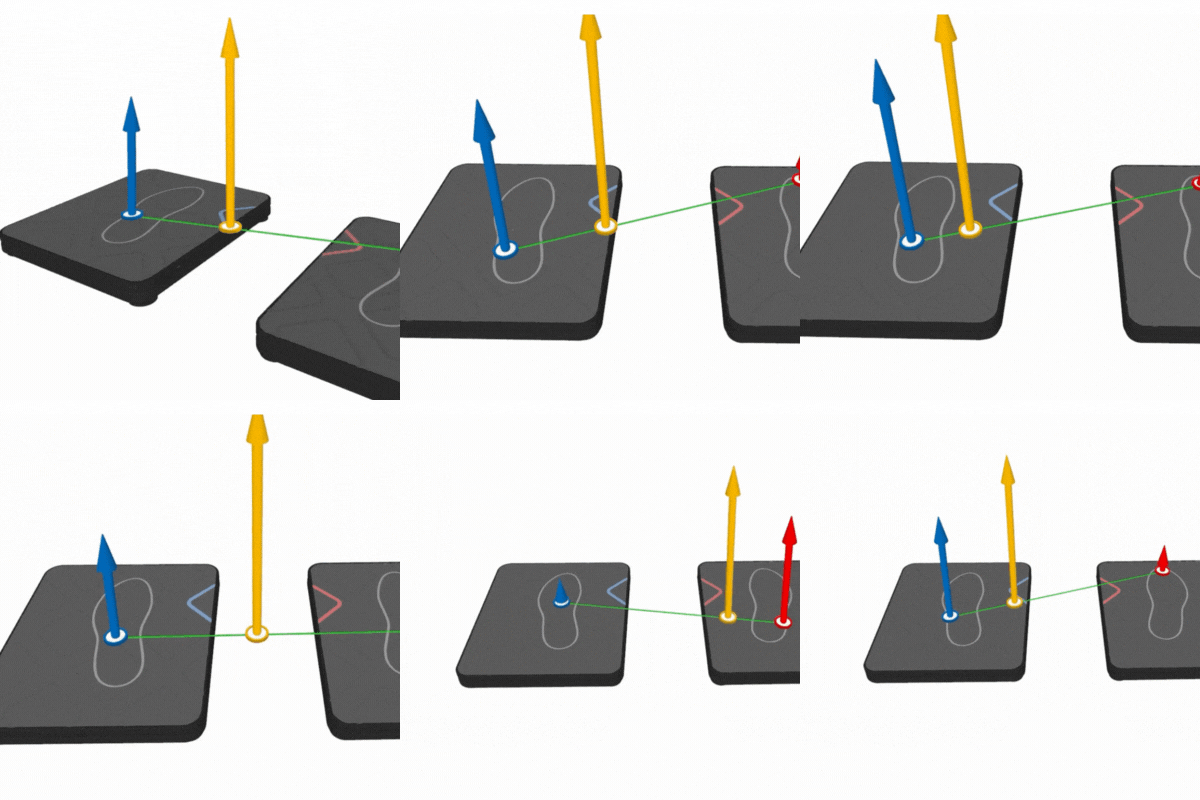
Effective Energy Transfer Depends on Precise Foot Pressure Patterns
A study using instrumented insoles tracked amateur golfers and found that higher pressure under the right medial forefoot and left lateral arch correlated positively with better trunk energy transfer. That model explained 80% of variance in torso mechanics: proof that foot pressure distribution is a game-changer.
Proprioceptive Foot Training Boosts Speed and Precision
A 2024 study introduced foot proprioceptive drills that hone a rhythmic pressure sequence between rearfoot and forefoot. After this conditioning, golfers saw increased club head speed and more balanced vertical ground reaction force distribution.
What This Means for Your Swing
- Foot Pressure = Energy Pipeline, Not Just Balance: Your feet act like switches transferring ground force into upper-body rotation.
- Stability Isn't Static: It's Dynamic and Trainable: Minor shifts in how you load your feet early can cascade into major swing inconsistencies.
- Feet Training Enhances Athleticism, Not Just Movement: By improving foot-ground interaction, we unlock smoother weight transitions and measurable gains in speed.
Foot-Driven Training Drills
- Medial/Lateral Balance Drill: Stand with feet shoulder-width. Gently shift pressure from inside to outside of each foot. Hold each for ~5 seconds.
- Proprioceptive Sequencing Exercise: Start by applying pressure to rearfoot, then mid-foot, then forefoot in rhythm. Mirror left and right feet.
- Dynamic Load Transfer Practice: As you go from address to transition, feel gradual shift into the lead foot inside ball of foot. Upon impact, feel pressure settle into left heel.
Ready to train from the ground up with sports performance precision?
Learn More →