Golf Swing Analysis of Knee Movement
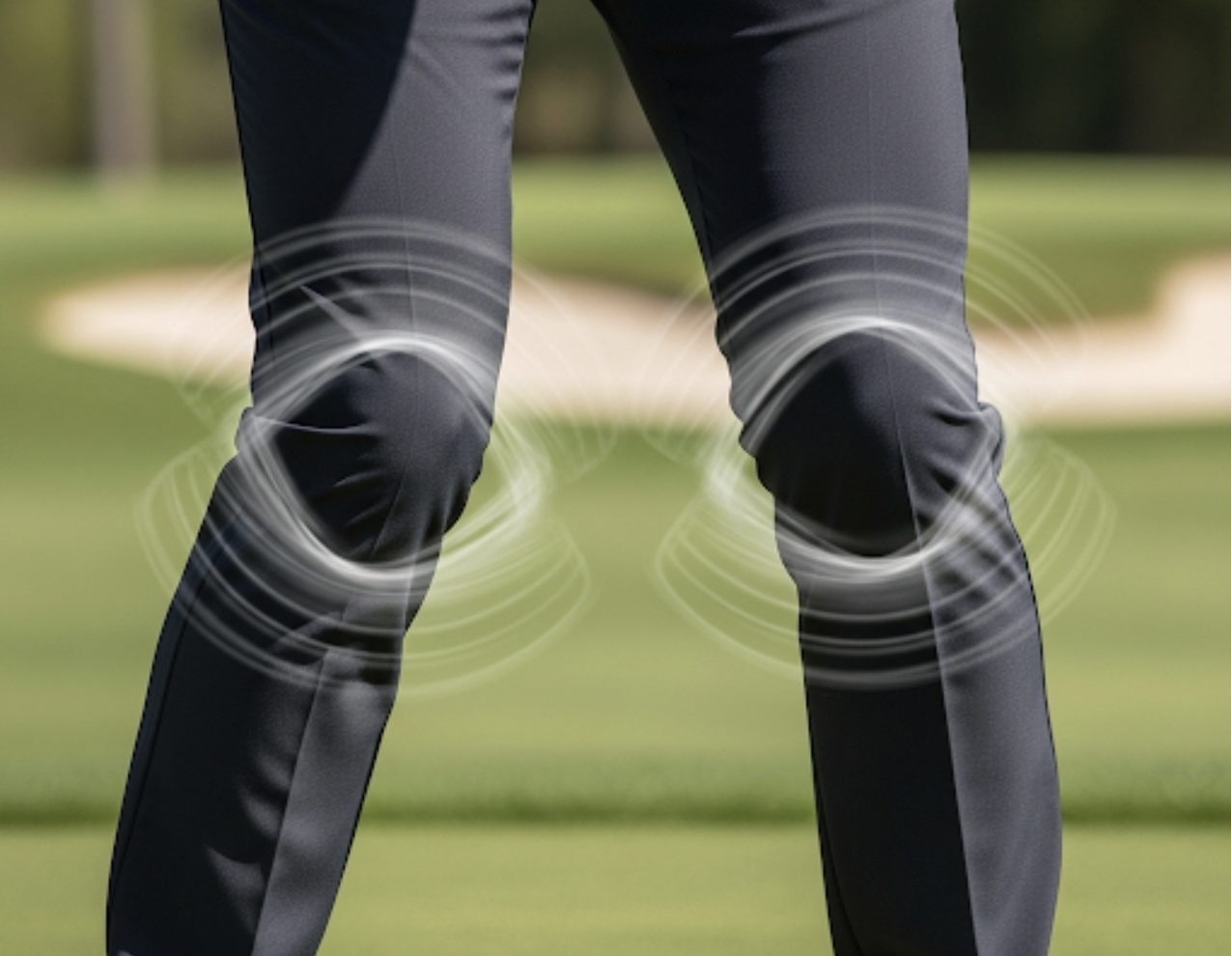
At ATX Golf Performance, we understand that consistency isn't built from the top alone: it's engineered from the ground and through the knees. Your knee joints are far more than passive hinges; they stabilize, transfer force, and sequence movement through every phase of the swing.
Knee Dynamics: Key Roles Through the Swing
Load and Rotation in Lead vs. Trail Knee
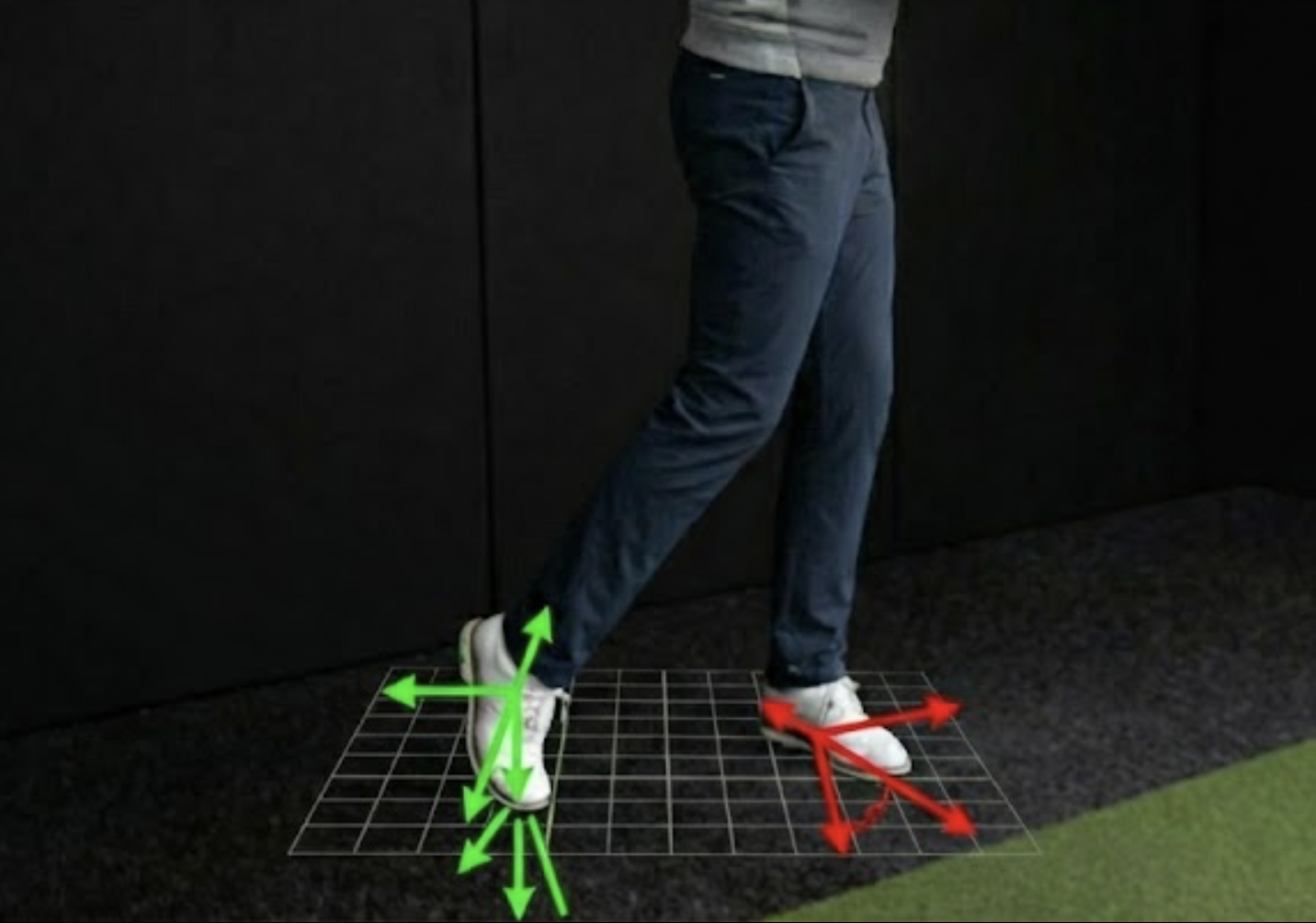
Professional-level motion-capture studies show that the trail knee faces significantly higher abduction moment impulses than the lead knee: nearly four times greater. This asymmetric loading pattern underscores the importance of knee mechanics in both stability and injury prevention.
Complex Flexion and Rotation Patterns
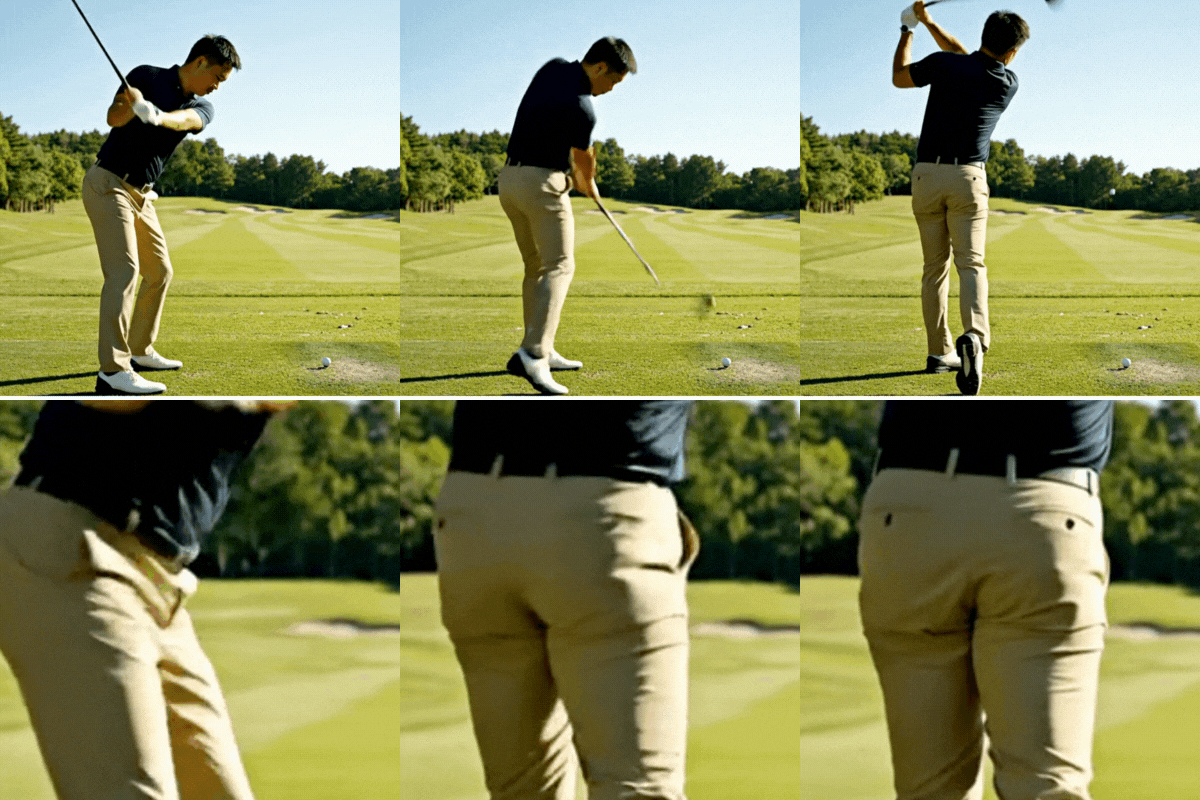
Amateurs and pros alike exhibit substantial lead knee flexion at impact and mid follow-through, often accompanied by external rotation. These combined motions help store and release torque but require controlled stability to avoid wear or overload.
Knee Kinematics and Injury Risk
Knee injuries make up 3–18% of golf-related injuries. The lead knee is involved in rapid extension and intense internal tibial rotation: motions that can stress ligaments, especially if technique or structural factors are compromised.
What It Means for Your Game and Knees
- Knees are dynamic pivot points: not static hinges. They absorb and release energy.
- Asymmetrical knee roles require balanced load management.
- Technique modulates injury risk. Controlled swing mechanics reduce wear over time.
- Simple adjustments like an open stance can meaningfully decrease joint loading.
Knee-Focused Training Drills
- Controlled Rotation Drill: Set up with an open stance. Practice slow half-swings feeling lead knee flexion and rotation.
- Stability Under Load Drill: Hinge and shift weight into lead knee with minimal inward collapse. Pause in the impact zone.
- Sequenced Stand-and-Swing Drill: Start with feet close together. Shift into stance and swing slowly, focusing on knees responding gently.
Ready to train with a focus on stability and injury resilience?
Learn More →