How Your Upper Core Transfers Power in the Golf Swing
Why is the upper core important in the golf swing?
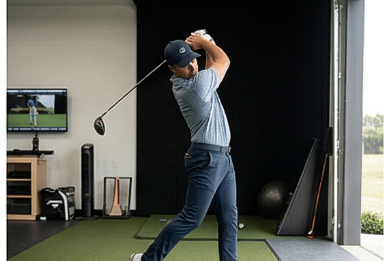
The upper core is critical because it transfers force from the ground and lower body into the arms and club. If the upper core does not rotate and stabilize efficiently, speed is lost before it reaches the clubhead.
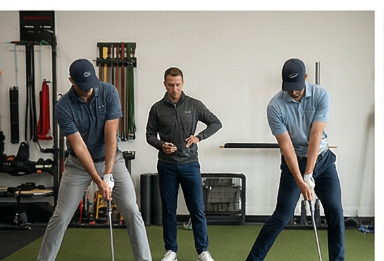
At ATX Golf Performance in Austin, we see golfers create force from the ground but fail to convert it into speed because the torso is not organizing that force effectively.
What the upper core does in the golf swing
The golf swing is an energy transfer sequence. Force starts from the ground, moves through the lower body, passes through the torso, and is delivered through the arms and club.
The upper core helps with:
- Thoracic rotation
- Separation between hips and torso
- Stability through transition and impact
- Efficient force transfer
- Maintaining structure while rotating at speed
If this system is out of sync, the swing can look aggressive but still produce poor results.
Three ways the upper core creates speed
1. It creates separation
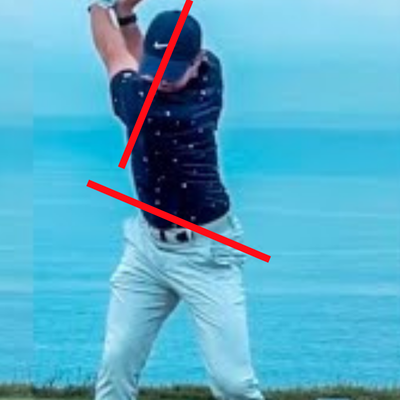
One of the biggest speed variables in golf is the separation between the hips and torso during transition.
As the lower body starts down and the upper body resists briefly, the core stores elastic energy. This helps golfers create speed without forcing the swing.
2. It rotates through impact with structure
The upper core must rotate aggressively while maintaining posture and connection. If it cannot, common patterns show up:
- Early extension
- Casting
- Inconsistent strike patterns
- Clubface timing problems
When the torso rotates well, power and strike quality tend to improve together.
3. It stabilizes at the right time
Speed is not just about motion. It is also about timing and control.
As impact approaches, the upper core must organize the motion long enough to transfer speed efficiently. Without that control:
- Energy leaks out
- Contact suffers
- Balance becomes harder to manage
Why golfers struggle with upper core function
The most common issues we see include:
- Arms trying to generate speed on their own
- Limited thoracic spine mobility
- Upper body starting the downswing too early
- Inability to separate and sequence properly
These golfers often feel like they are swinging hard, but the ball does not respond.
How to improve upper core function in golf
At ATX Golf Performance, we evaluate:
- How the torso rotates
- Whether the golfer creates separation in transition
- How force is being transferred through the system
- Whether mobility or control is the limiting factor
Then we build a plan using:
- Movement training
- Skill acquisition strategies
- Technical coaching
- Video analysis and performance feedback
A simple drill to improve upper core sequencing
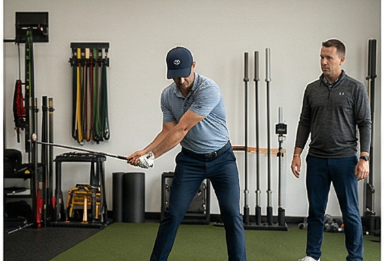
Separation Pump Drill
- Take your normal setup
- Make a backswing and pause
- Start the downswing with your lower body
- Keep your chest closed briefly
- Then rotate through
This drill helps improve:
- Sequencing
- Separation
- Awareness of torso timing
Book your evaluation and find out where your speed is leaking
Learn More →Frequently Asked Questions
How does the upper core create speed in golf?
The upper core transfers force from the lower body into the arms and club through rotation, separation, and stabilization. Without efficient torso function, speed is lost before reaching the clubhead.
What is hip-shoulder separation in the golf swing?
It is the difference in rotation between hips and torso during transition. As the lower body leads and the upper body briefly resists, elastic energy is stored and then released for speed.
Why do I swing hard but the ball does not go far?
Often the upper core is not transferring force efficiently. Arms may be generating speed on their own, or limited thoracic mobility prevents proper rotation and sequencing.