A Coach's Perspective on Club Fitting
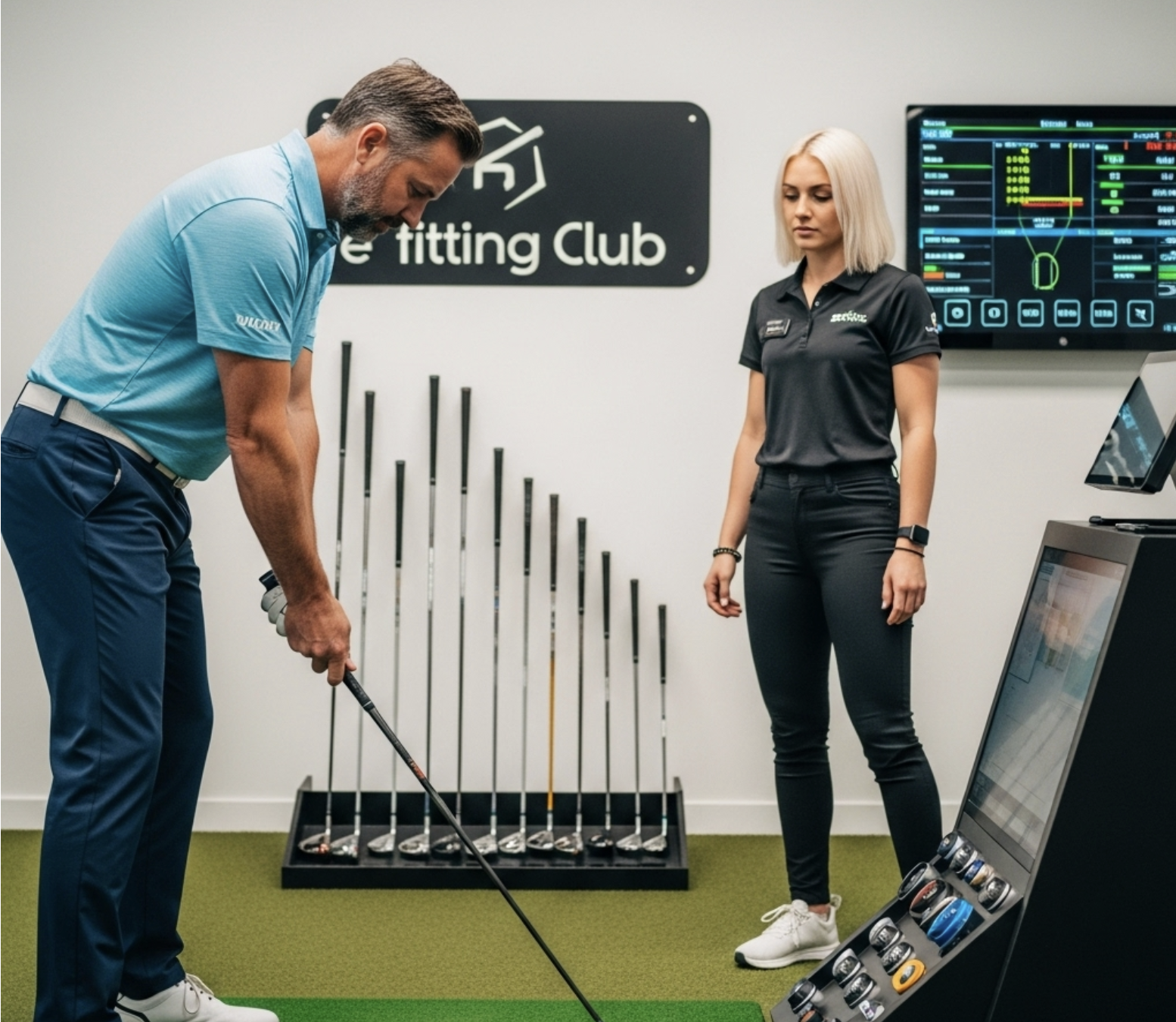
Walk into any modern golf retailer and you'll see the tech: high-speed cameras, launch monitors, racks of interchangeable shafts and clubheads. Club fitting is everywhere: and for good reason. When timed right, a proper fitting can refine launch conditions, tighten dispersion, and add distance.
But as coaches, we've seen the other side: players investing thousands in a fitted setup before ever building a consistent, repeatable swing. It's like designing a race car around an unfinished engine.
What Happens in a Club Fitting?
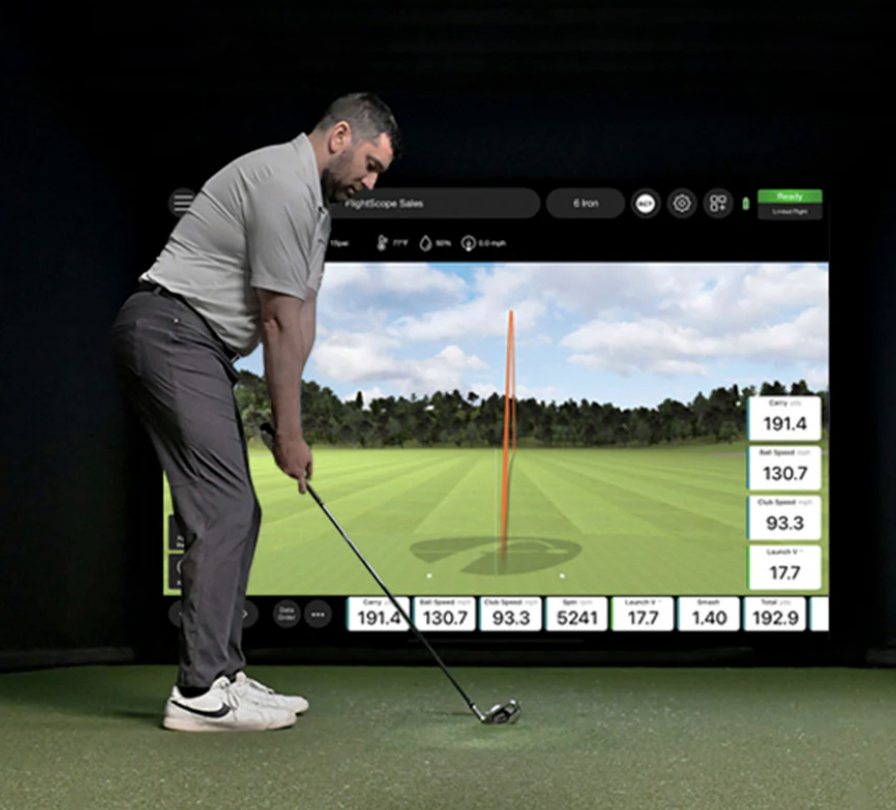
A professional fitting evaluates shaft flex, bend profile, weight, clubhead loft, lie angle, face design, center of gravity, moment of inertia, grip size, club length, and launch monitor data including ball speed, smash factor, launch angle, spin rate, and face/path data.
Why Lessons Come First
Most golfers seeking lessons are still refining movement patterns. If your swing is evolving, any fitted club becomes a moving target. Better to build the swing, then build the toolbox to match it.
When a Fitting Still Makes Sense
- If you're unusually tall, short, or strong relative to standard specs
- If your clubs are 10+ years old with outdated grooves or loft gaps
- If you're experiencing equipment-induced swing compensations
- If you're gearing up for tournament play and want every variable dialed in
The Role of Your Coach
Great coaching makes club fitting even more effective. As your mechanics stabilize, we can help identify when your delivery is repeatable enough for a fitting to add value. Many of the best fitters prefer working with coached players because their swing data is more predictable.
Want to build a swing worth fitting? Start with a game evaluation.
Learn More →