Force Plates in Golf: What the Data Means for Amateurs
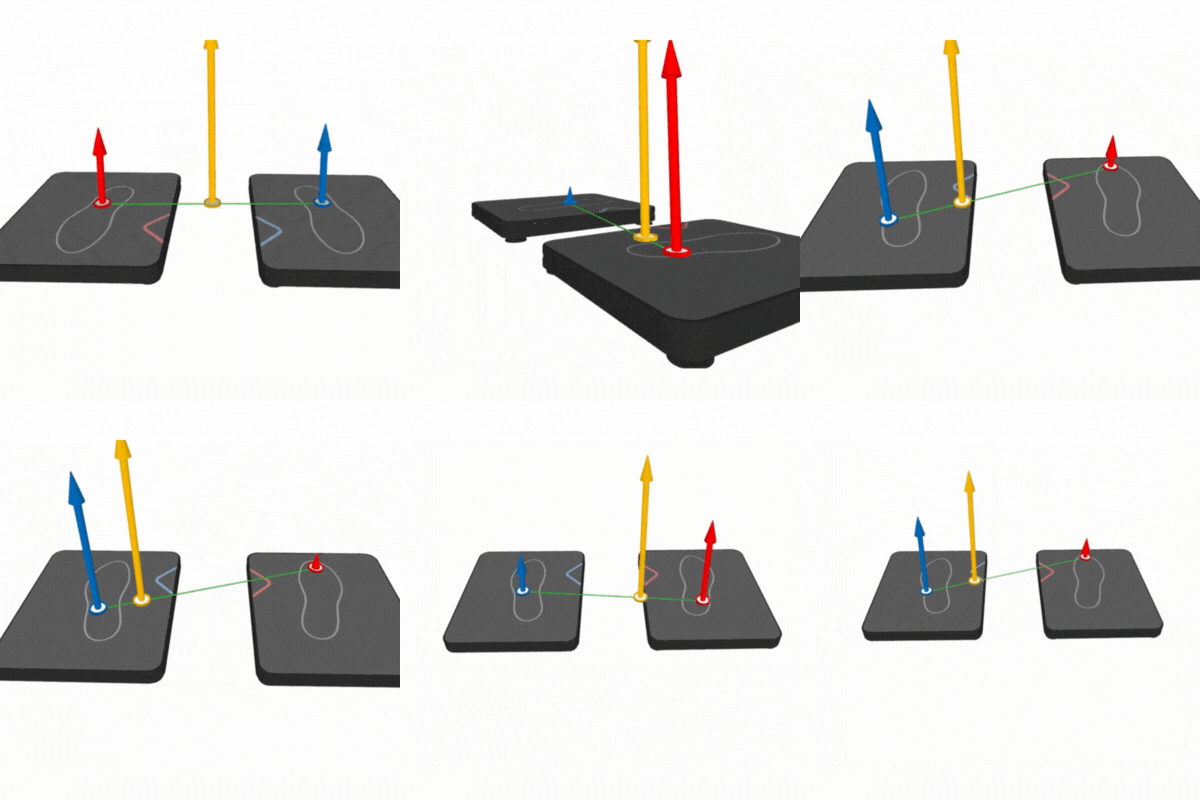
Force plates are the most underrated piece of coaching technology because the data is invisible to the eye. You cannot see how hard a golfer pushes into the ground — but every Tour-level long hitter does it the same way, and most amateurs do not.
What Force Plates Measure
- Pressure shift — how weight moves between trail and lead foot
- Vertical force — how hard you push into the ground at key positions
- Horizontal force — side-to-side push
- Rotational torque — how much you twist the ground beneath you
- Timing — when each force peaks relative to the swing
Why Amateurs Lose Distance Here
Most amateurs hang back on the trail foot, then push down into the lead foot too late or never. The Tour pattern: pressure reaches the lead foot by mid-downswing, vertical force peaks just before impact, and rotational torque feeds into clubhead speed. Without that pattern, the swing relies entirely on arms and shoulders for speed — which has a low ceiling.
Real Coaching Example
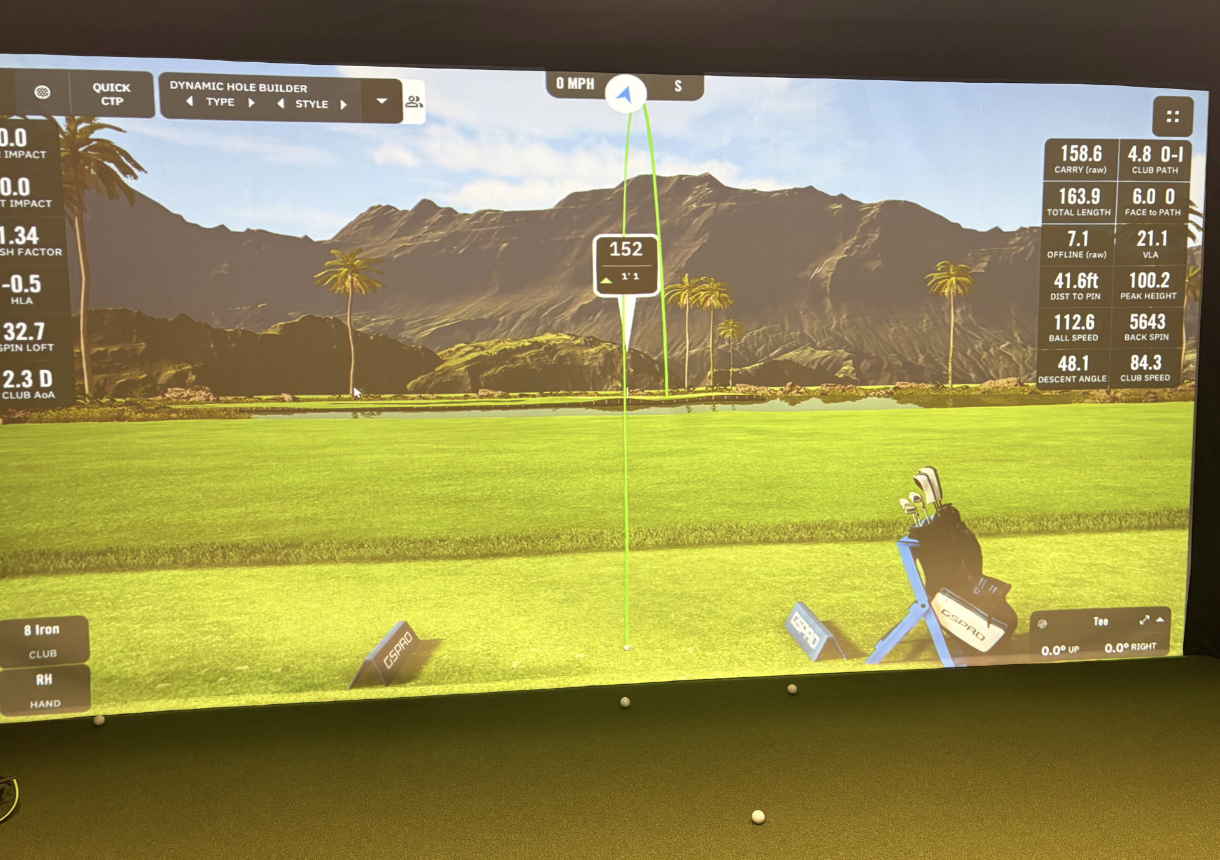
A 12-handicap student in our Austin studio had a 7-iron carry of 138 yards. His swing speed was fine for his strength. The force plate showed his vertical force peaked 0.2 seconds late and was 40% below benchmark. Six weeks of lead-leg posting work later, his 7-iron carried 152. No grip change, no path change. Just better use of the ground.
Want to see what your ground forces look like? Book a Game Evaluation.
Learn More →Why Force Data is Hard to Coach Without
You cannot see force on video. You can sometimes guess at it from a great vantage point, but you cannot measure it. Force plates make the invisible visible — and once a student sees their own force trace next to a benchmark, the conversation about "using the ground" stops being abstract.
Book your Game Evaluation with force-plate data
Learn More →Frequently Asked Questions
What do force plates measure in golf?
They measure ground reaction forces during the swing — vertical, horizontal, and rotational — along with pressure shift between feet and the precise timing of each force peak. The data shows how effectively a golfer uses the ground for clubhead speed and stability.
Do amateurs really benefit from force plate data?
Yes, often more than pros do. Most amateurs leak 10 to 20 yards through poor pressure shift or weak vertical force. Once force data identifies the leak, drills can rebuild the pattern in 4 to 8 weeks. Without force data, the same student usually spends years chasing the wrong fixes.
Are force plates the same as a launch monitor?
No. A launch monitor measures the ball and club at impact. Force plates measure what the body does to the ground throughout the swing. They answer different questions, which is why the best studios use both together.
Where can I get a force plate swing analysis in Austin?
ATX Golf Performance uses force plates on every Game Evaluation and coaching session in our Suite 103 studio in West Lake Hills, combined with radar launch monitor and 3D motion capture.