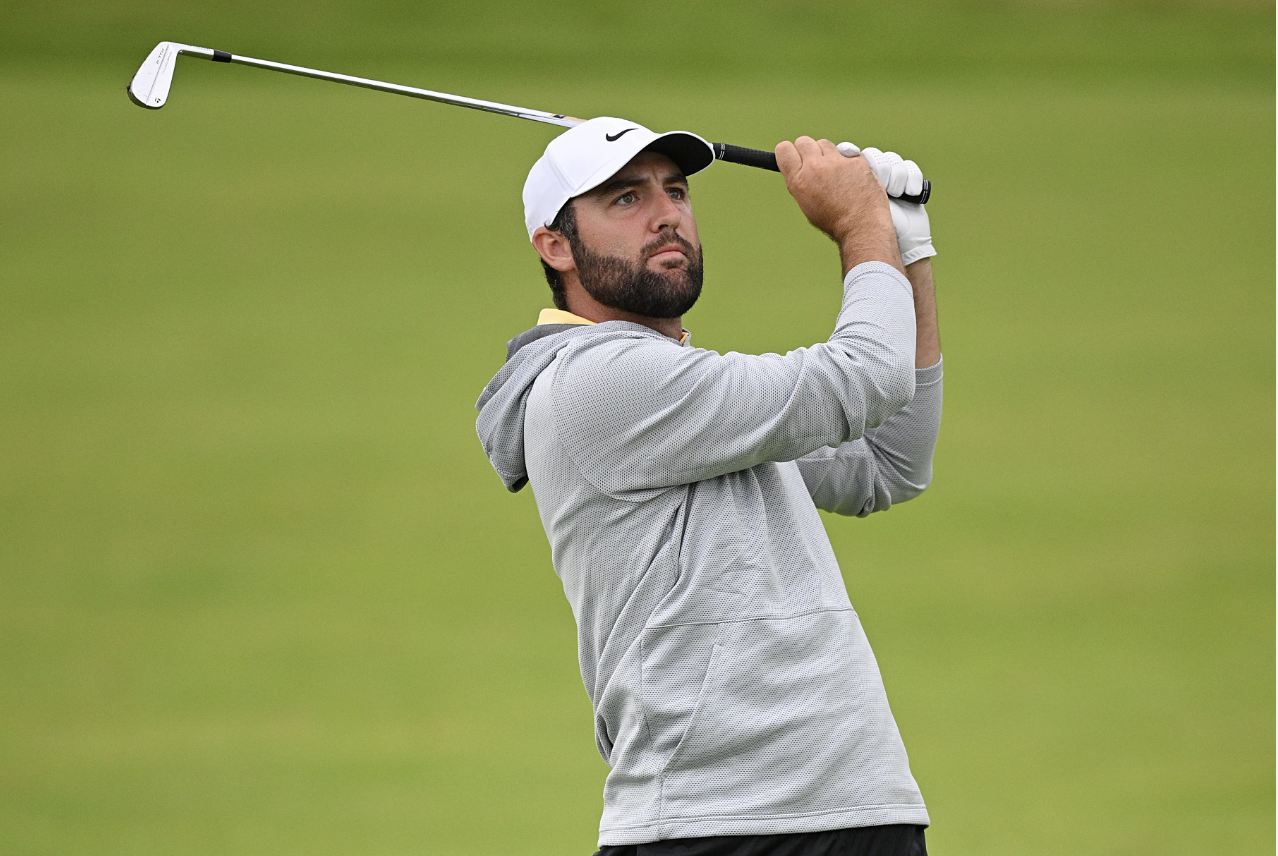
Aaron Rai, Iron Covers, and the Lesson Every Golfer Can Use
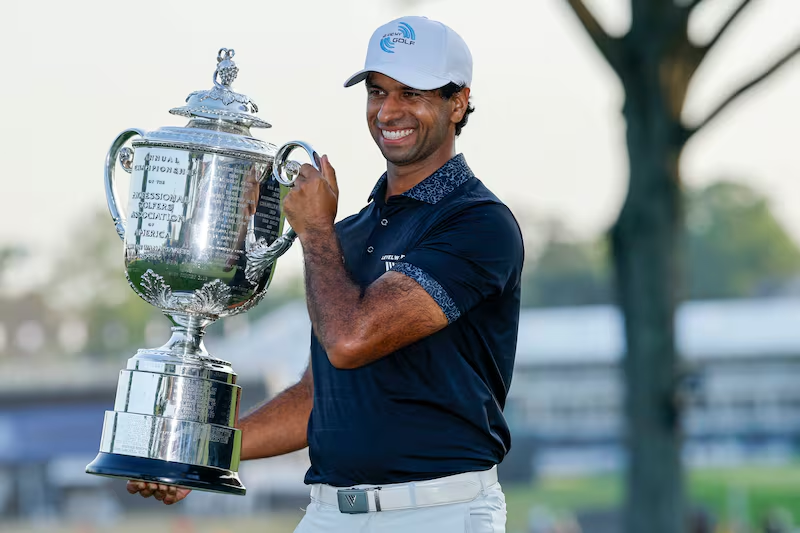
Aaron Rai's PGA Championship win was a reminder that great golf does not always look the way people expect it to look.
Rai has long stood out for two unusual things: he wears two gloves, and he keeps covers on his irons. Most golfers notice the gloves first. But the iron covers tell the better story.
In golf culture, iron covers usually get laughed at. They are seen as unnecessary, maybe even a little uncool. But for Rai, they are not about image. They are about gratitude.
When Rai was young, his father bought him a set of Titleist irons. They were expensive, and for his family, that purchase meant sacrifice. After practice, his father would carefully clean the clubs and protect them with iron covers. Rai kept the habit because it reminded him to appreciate what he had and where he came from.
Why this matters for every golfer
That is where this becomes important for every golfer.
Most players think their biggest problem is their swing. Sometimes it is. But often, the bigger problem is the relationship they have with their own expectations.
You work hard. You take lessons. You practice. You buy better equipment. You spend time on the range. You start to improve. Then, without realizing it, you begin to expect golf to reward you.
- "I've been working on this, so I should hit it better."
- "I practiced putting, so I shouldn't three-putt."
- "I took a lesson, so I shouldn't slice it today."
- "I've been playing well, so I should shoot a good score."
That mindset is understandable. But it is also dangerous.
The harder you work, the easier it is to feel like the game owes you something. And once you feel owed a result, every bad shot becomes personal. Every poor bounce feels unfair. Every missed putt feels like proof that something is wrong.
That is when golf gets heavy.
What Rai's iron covers actually represent
Rai's iron covers offer a better way to think about it.
They are a small reminder that the opportunity itself matters. The clubs matter. The practice matters. The people who helped you matter. The ability to play this game matters.
Gratitude does not mean you stop trying. It does not mean you lower your standards. It does not mean you are okay with poor shots.
It means you stop treating every shot as a test of your worth.
That is a lesson every golfer needs.
You can work hard and still accept that the outcome is not fully under your control. You can care deeply and still stay calm when the ball does not do what you wanted. You can prepare well and still understand that golf will not always pay you back immediately.
That is not weakness. That is maturity.
From expectation to readiness
For my students, this is one of the biggest shifts you can make.
Instead of saying, "I worked hard, so I deserve to play well," try saying, "I worked hard, so I am prepared to handle whatever happens."
That one sentence changes everything.
It moves you from expectation to readiness.
- Expectation says, "This has to go well." Readiness says, "I can respond well."
- Expectation makes you tight. Readiness makes you free.
- Expectation makes one bad shot feel like a crisis. Readiness lets you play the next shot with a clear mind.
This is where gratitude becomes a performance tool. When you are grateful, you are less likely to panic. You are less likely to spiral. You are less likely to turn one mistake into three. Gratitude gives your mind somewhere stable to return.
Want help training the mental side of your game? Book a Game Evaluation in Austin
Learn More →Build your own reminders
For Aaron Rai, iron covers are part of that reminder. For you, it might be something different.
- Take a second before the round to appreciate that you get to play.
- Clean your clubs after practice.
- Thank your body for what it can do instead of criticizing every movement.
- Remember the person who introduced you to the game.
- Walk to the next shot and say, "I'm lucky to be here, and I'm ready for this one."
That does not sound flashy. But neither do iron covers. And yet, the mindset behind them helped shape a major champion.
The goal is not to copy Aaron Rai. You do not need two gloves. You do not need iron covers. You do not need to look different for the sake of being different.
The goal is to build your own reminders. Reminders that keep you grounded. Reminders that separate your effort from your entitlement. Reminders that help you work hard without demanding a specific result.
That is one of the hardest things in golf: to give your full effort while releasing your need to control the outcome.
But when you can do that, you play with more freedom. You recover faster. You enjoy the game more. And ironically, you usually perform better.
The takeaway
Aaron Rai's win was not just a story about unusual equipment habits. It was a story about appreciation, identity, and perspective.
His iron covers protect his clubs. But more importantly, they seem to protect his mindset.
They remind him that the game is a privilege, not a transaction. They remind him that effort matters, but effort does not guarantee results. They remind him to stay connected to gratitude, even while competing at the highest level.
That is the same lesson every golfer can take to the course.
Work hard. Prepare well. Care deeply. But do not let your effort turn into pressure.
The game does not owe you a score. The game gives you an opportunity. And when you see it that way, you give yourself a much better chance to play your best.
Frequently Asked Questions
Why does Aaron Rai use iron covers?
Aaron Rai uses iron covers as a tribute to his father, who bought him an expensive set of Titleist irons when he was young and carefully cleaned and covered them after every practice. The habit reminds Rai to stay grateful for the sacrifices behind his career.
Why does Aaron Rai wear two gloves?
Rai wears a glove on each hand for grip consistency and to keep both hands feeling identical on the club. It is a personal preference rooted in feel and comfort, not a rule or required technique.
What can amateur golfers learn from Aaron Rai's iron covers?
The deeper lesson is mindset. Replace expectation with readiness. Work hard and prepare well, but let gratitude steady your mind so that one bad shot does not become three. Golf becomes lighter and you usually play better.
Does gratitude really help golf performance?
Yes. Gratitude reduces the pressure of self-imposed expectations, lowers reactivity after bad shots, and helps you return to a calm, present state faster. That stability is one of the strongest predictors of consistent on-course performance.