What College Golf Coaches Look For (Beyond Scoring Average)

Scoring average matters, but coaches recruit more than a number. They recruit golfers they believe will improve, handle travel and pressure, contribute to team culture, and keep getting better once they arrive.
If you are a parent in Austin, understanding this can help you invest in the right things.
Consistency and 'Big Number' Control
Coaches do not just want "low rounds." They want fewer disasters. A recruit who avoids penalty strokes and doubles is often more attractive than someone who occasionally shoots very low but also posts blow-up rounds.
Short Game That Travels
Short game translates across courses. In college, your golfer will play greens they have never seen, in weather they cannot control. Reliable wedge distances and confident putting are portable skills that protect scoring.
Decision-Making Under Pressure
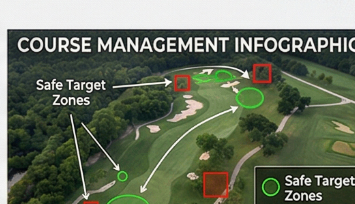
Coaches notice course management fast:
- Does the golfer aim at smart targets?
- Do they choose conservative misses?
- Do they short-side themselves repeatedly?
Good strategy is a recruiting advantage because it shows maturity and coachability.
Coachability and Body Language
Golf is emotional. Coaches watch how golfers respond after mistakes. Coachability often shows up as:
- Calm routine after a bad hole
- Willingness to learn
- Effort in practice and training
Academics and Responsibility
Good grades expand options. They can also reduce financial pressure for families when athletic scholarships are partial.
Train the skills coaches value most in Austin.
Learn More →Frequently Asked Questions
What do college golf coaches look for besides scoring average?
Coaches evaluate consistency (avoiding big numbers), short game quality, course management, coachability, body language after mistakes, and academic standing. They recruit golfers who will improve and contribute to team culture.
How important is short game for college golf recruiting?
Very important. Short game skills are portable across unfamiliar courses and conditions. Reliable wedge distances and confident putting protect scoring and show coaches the golfer can compete anywhere.