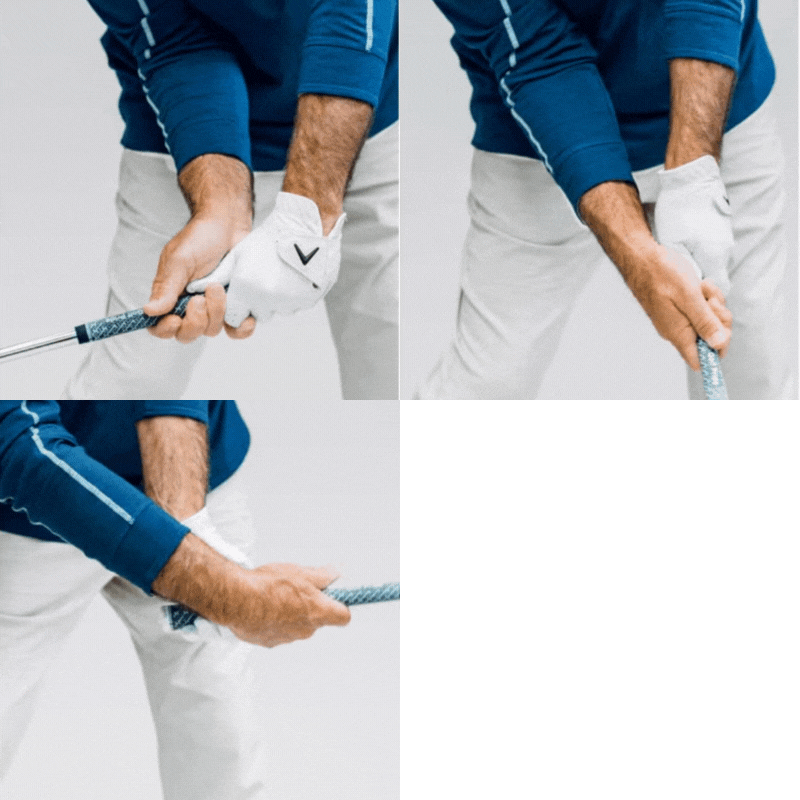
Lead Wrist and Forearm: The Real Cause of Flipping, Casting, and Chicken Wing
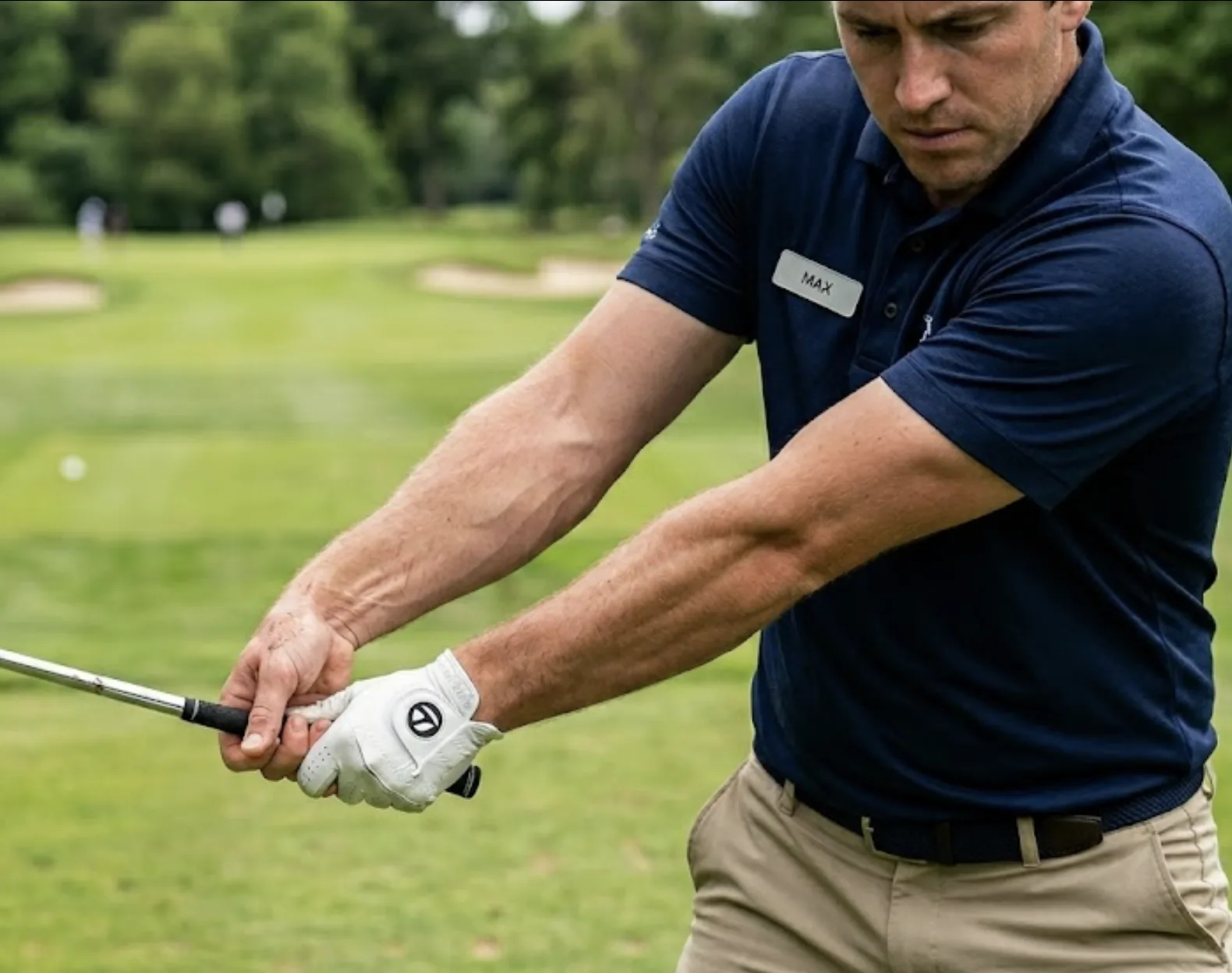
What causes flipping, casting, and the chicken wing?
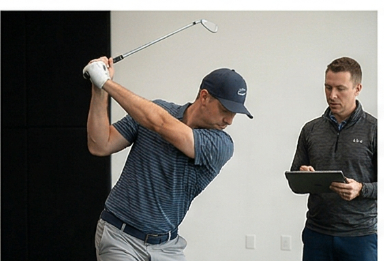
Three of the most common impact errors in golf are flipping, casting, and the chicken wing. Most golfers treat them as separate problems, but they usually share the same root cause: how the lead wrist and forearm are organized through transition and impact.
Lead wrist: the control panel for the clubface
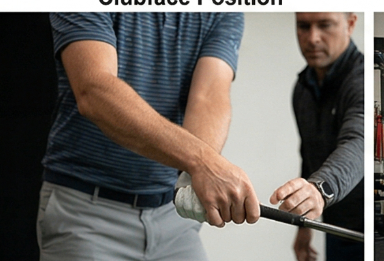
The lead wrist directly controls clubface angle. When it cups (extends) too early in the downswing, the face opens. When it bows or stays flat through impact, the face stays stable.
- Cupped lead wrist at impact = flipping and added loft
- Flat or slightly bowed lead wrist = compression and shaft lean
- Excess flexion paired with strong grip = hooks and low strikes
Lead forearm: the rotation that prevents the chicken wing
The chicken wing is not really an elbow problem. It is a forearm rotation problem. When the lead forearm cannot supinate (turn palm up) through impact, the elbow has to bend and lift to make room for the swing.
- Lead forearm rotates naturally through impact in efficient swings
- Restricted rotation forces the elbow to fold sideways = chicken wing
- This shortens the radius and steals speed and consistency
Diagnose your true impact pattern with a 3D and video swing analysis.
Learn More →How to retrain the lead wrist and forearm
- Use impact bag drills with a focus on flat lead wrist
- Train forearm rotation with light clubs and slow motion reps
- Pair grip changes with face awareness drills
- Use video to confirm changes, not feel alone
Frequently Asked Questions
What is the difference between flipping and casting in the golf swing?
Casting is releasing the wrist angles too early in the downswing, which loses lag and speed. Flipping is the lead wrist breaking down through impact, adding loft and weakening the strike. Both are usually driven by lead wrist mechanics and timing.
How do I fix the chicken wing in my golf swing?
The chicken wing is usually caused by restricted lead forearm rotation, not just a bent elbow. Improve forearm supination through impact, address grip if it is overly strong, and confirm changes with video. The elbow folds because it has to, not because the player chooses to.
Why is my lead wrist cupped at impact?
A cupped lead wrist at impact is often a downstream symptom of poor sequencing, an over-rotated grip, or an early release. The fix usually involves improving transition timing, grip structure, and wrist awareness rather than just trying to bow the wrist.