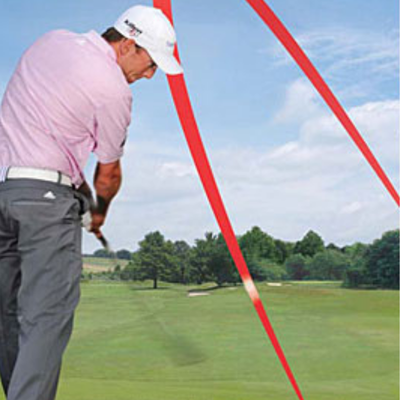
How to Fix Your Driver Slice: A Biomechanics-Based Guide
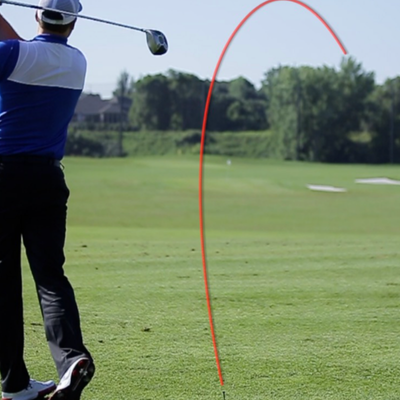
At ATX Golf Performance, one of the most common issues we see: especially with mid- to high-handicap golfers: is the dreaded slice. In this guide, we'll break down the biomechanics and motor patterns that contribute to slicing and provide a research-backed approach to eliminate it. If you want a coach's eyes on your specific pattern, private golf lessons in Austin paired with our swing analysis usually pinpoint the exact cause in a single session.
Why Most Golfers Slice the Driver
- An open clubface at impact
- An out-to-in (over-the-top) swing path
Step 1: Strengthen Your Grip
A weak grip promotes an open clubface. Aim to see 2–3 knuckles on your lead hand at address. Research shows a strong grip correlates with more effective lead wrist extension control during the downswing.
Step 2: Fix Your Setup and Ball Position
Position the ball on the inside of your lead heel. Ensure your shoulders and feet are square to the target line.
Step 3: Train an Inside-Out Swing Path
Drill: Place a glove under your trail armpit and take slow-motion swings without dropping it. This promotes better connection and sequencing.
Step 4: Square the Clubface at Impact
Lead wrist should be flat or slightly flexed at the top. Use the Motorcycle Drill: rehearse rotating knuckles down through impact to promote proper shaft lean and face squaring.
Want a personalized assessment? Schedule your swing evaluation.
Learn More →Frequently Asked Questions
Why do I slice my driver but not my irons?
The driver's longer shaft and lower loft amplify path and face errors. Small misalignments that are manageable with a 7-iron become exaggerated with a driver.