Wrist Action at Impact: What Your Wrists Should Really Be Doing in the Golf Swing
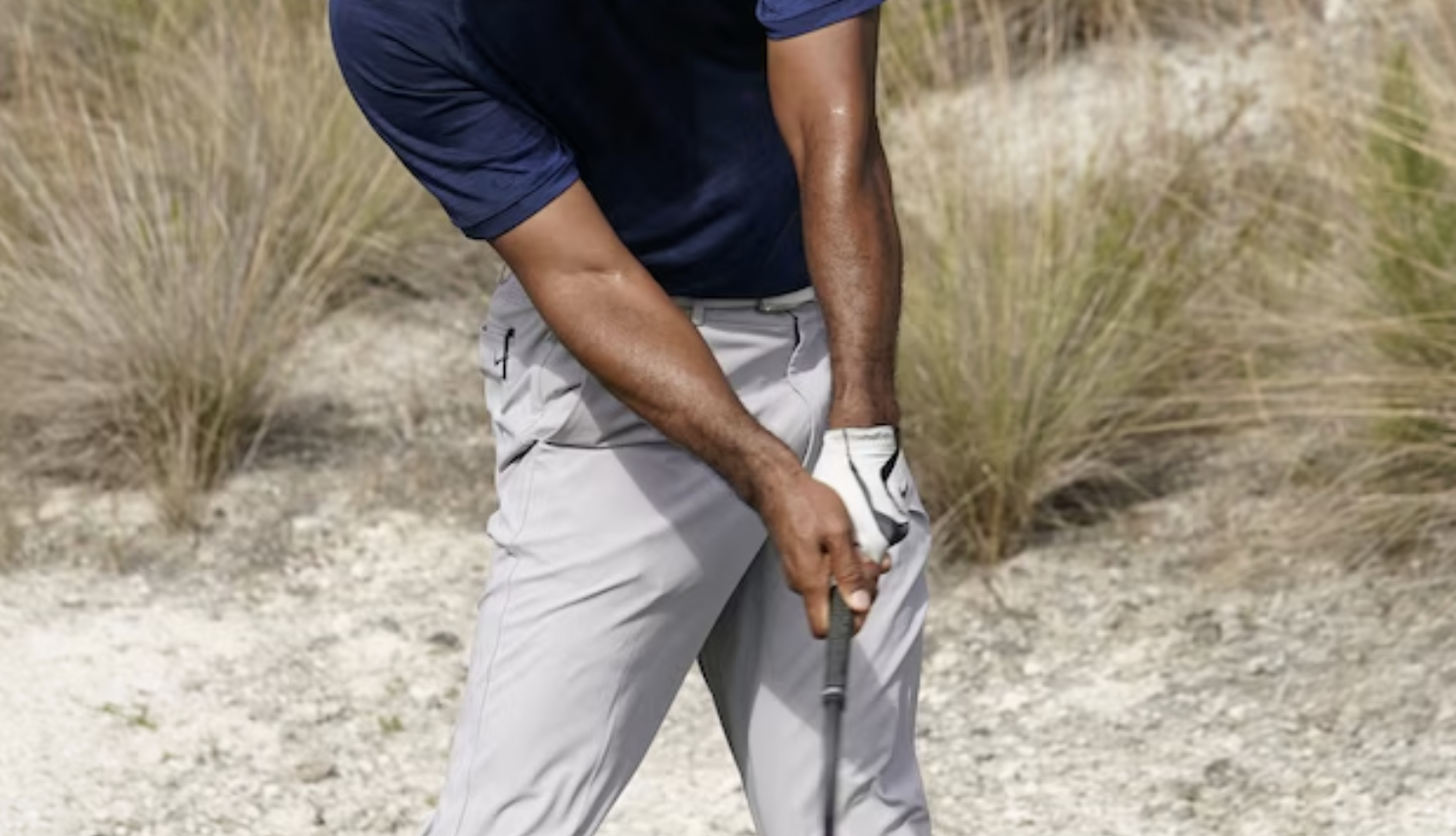
What should your wrists do at impact?
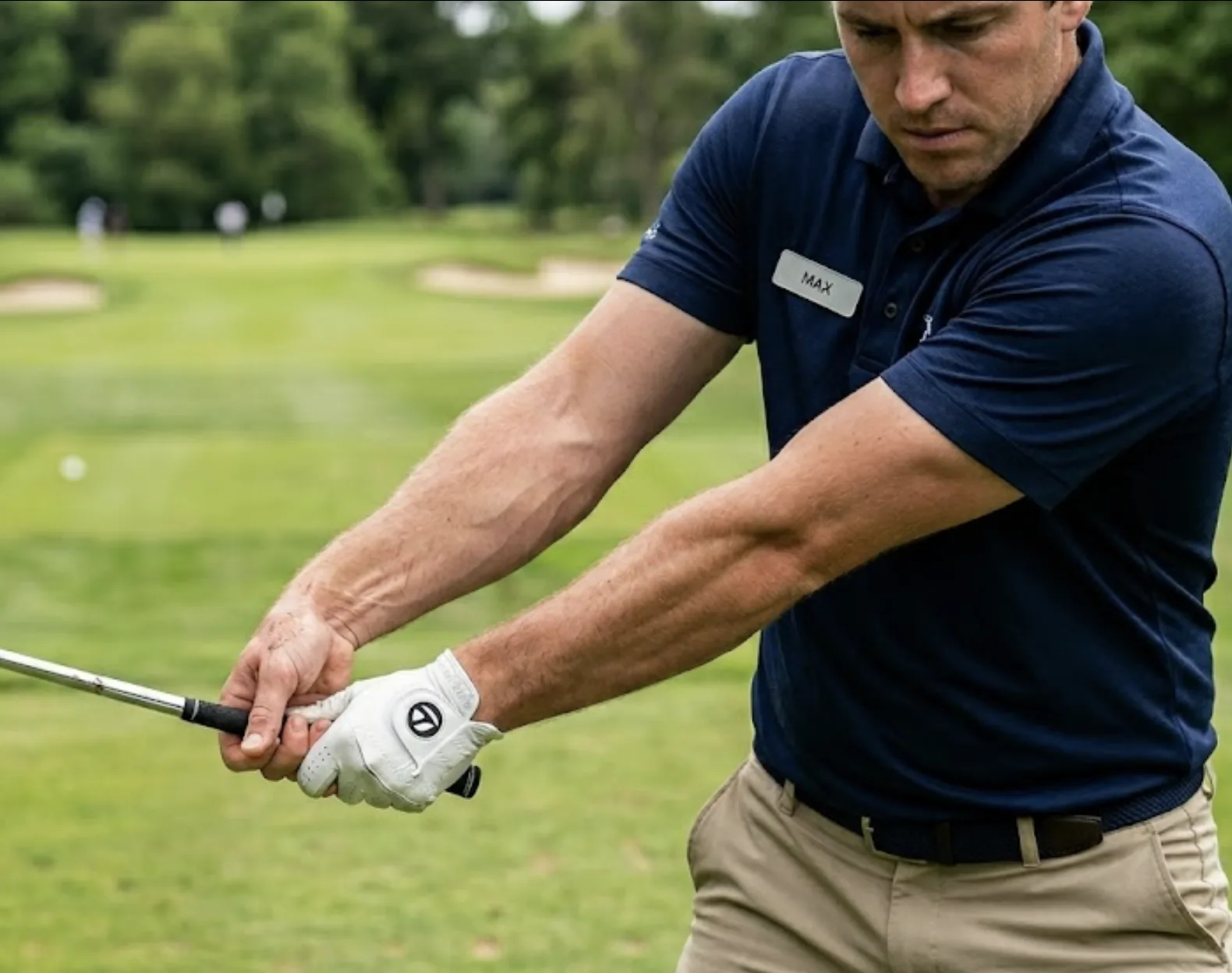
Wrist action at impact is one of the most misunderstood parts of the golf swing. It is not about "holding off" or "releasing." It is about a specific combination of lead wrist flexion and trail wrist extension that produces a stable face, proper loft, and full speed transfer.
The lead wrist at impact
- Should be flat or slightly flexed (bowed)
- Cupping at impact opens the face and adds loft
- Excess flexion can shut the face and lower flight
The trail wrist at impact
- Should be extended (cupped back) to support shaft lean
- A flat or flexed trail wrist usually means the angles released too early (casting)
- Trail wrist extension is what stores and delivers lag
Why the combination matters
Lead wrist flexion plus trail wrist extension creates the classic shaft lean position seen in elite ball strikers. It is what allows the club to compress the ball, control launch, and transfer speed efficiently.
See your wrist structure on 3D and video at our Austin facility.
Learn More →How to train better wrist action at impact
- Impact bag drills focused on flat lead wrist
- Slow motion swings checking trail wrist extension at P6
- Towel under trail arm drills to keep the body and arms in sync
- Video confirmation, since feel rarely matches real position
Frequently Asked Questions
What should the lead wrist do at impact?
The lead wrist should be flat or slightly flexed (bowed) at impact. This stabilizes the clubface, controls loft, and supports proper shaft lean. A cupped lead wrist usually leads to flips, added loft, and inconsistent strikes.
What should the trail wrist do at impact?
The trail wrist should remain extended (cupped back) into impact. This preserves the wrist angles created in the backswing, supports shaft lean, and is a key component of efficient lag and speed transfer.
Is shaft lean at impact good or bad?
For irons and wedges, forward shaft lean at impact is generally a positive indicator of compression, control, and proper wrist action. Excessive shaft lean with a strong grip can produce low hooks, so the right amount depends on the player and the shot.