The Trail Elbow Jolt at the Top of the Backswing
What is the trail elbow jolt in golf?
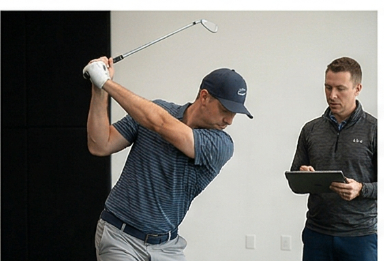
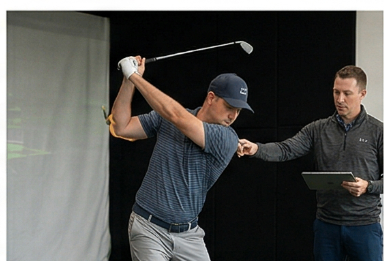
The trail elbow jolt happens when the trail elbow drifts too far behind the body at the top of the backswing. This often creates disconnection, sequencing issues, and a harder transition into the downswing.
At ATX Golf Performance in Austin, we see this pattern in golfers who feel powerful going back but struggle with consistency through impact.
Why the trail elbow moves behind the body
This usually happens for one of three reasons:
- The body runs out of rotation
- The arms keep moving after the torso stops
- The golfer tries to add power late in the backswing
Instead of everything moving together, the swing finishes with an extra arm-driven motion.
Why it matters
A trail elbow that gets too far behind the body can cause:
- The club to get stuck
- Poor face control
- Timing-dependent contact
- Loss of efficient speed
The body then has to make compensations on the way down.
How to improve trail elbow structure
1. Change your backswing intent
Instead of trying to finish big, feel like the chest and arms keep moving together.
2. Smooth out the backswing
If the backswing speeds up at the end, the arms are often taking over.
3. Feel connection
The trail arm should feel lightly connected to the body, not pinned and not flying behind you.
4. Improve your turn
A better torso turn gives the arms room to organize correctly.
Book your evaluation and build a motion that holds up under pressure
Learn More →Frequently Asked Questions
What is the trail elbow jolt in golf?
It is when the trail elbow drifts too far behind the body at the top of the backswing, usually because the arms keep moving after the torso stops rotating.
Why does a disconnected trail elbow hurt consistency?
When the elbow gets behind the body, the club can get stuck, face control becomes poor, and the golfer needs timing-based compensations to make good contact.
How do you fix trail elbow position in golf?
Focus on keeping the chest and arms moving together, smoothing out backswing tempo, and improving torso rotation so the arms have room to stay connected.